Unlock daily trading success with a Demat account. Learn how to open & use a demat account for daily trading in India. Expert tips on choosing brokers &
Unlock daily trading success with a Demat account. Learn how to open & use a demat account for daily trading in India. Expert tips on choosing brokers & maximizing profits.
Demat Account for Daily Trading: Your Gateway to Intraday Success
Introduction: Navigating the World of Daily Trading in India
India’s equity markets, represented by the Bombay Stock Exchange (BSE) and the National Stock Exchange (NSE), offer immense opportunities for traders seeking short-term gains. Daily trading, also known as intraday trading, involves buying and selling securities within the same trading day, aiming to profit from small price fluctuations. This fast-paced environment requires a robust infrastructure, and at its core lies the Demat account. Understanding the intricacies of a Demat account and its application in daily trading is crucial for success in the Indian stock market.
What is a Demat Account and Why is it Essential?
A Demat account, short for Dematerialization account, is an electronic repository for holding shares and other securities in a dematerialized (electronic) format. In the pre-Demat era, physical share certificates were cumbersome to handle and prone to risks like loss, theft, and damage. The introduction of Demat accounts by depositories like National Securities Depository Limited (NSDL) and Central Depository Services Limited (CDSL), overseen by the Securities and Exchange Board of India (SEBI), revolutionized the Indian stock market.
For daily trading, a Demat account is not just convenient; it’s indispensable. It allows for seamless and instantaneous transfer of shares, crucial for executing buy and sell orders within the same day. Without a Demat account, intraday trading would be practically impossible.
Opening a Demat Account: A Step-by-Step Guide
Opening a Demat account is a straightforward process. Here’s a detailed guide:
- Choose a Depository Participant (DP): DPs are intermediaries registered with NSDL or CDSL. Banks, brokerage firms, and financial institutions act as DPs. Consider factors like brokerage fees, services offered (trading platform, research reports), and customer support. Popular DPs in India include Zerodha, Upstox, Angel One, and ICICI Direct.
- Fill out the Account Opening Form: You can typically download the form from the DP’s website or obtain it from their branch. Provide accurate personal details, including your PAN card number (mandatory), address proof, identity proof, and bank account details.
- KYC (Know Your Customer) Verification: SEBI mandates KYC verification to prevent money laundering and ensure compliance. This typically involves submitting self-attested copies of your documents and undergoing an in-person verification (IPV) or online verification (e-KYC).
- Agreement and Tariff Sheet: Carefully read the agreement outlining the terms and conditions of the Demat account, including charges for various services. The tariff sheet lists the applicable fees.
- Account Activation: Once your application is approved and your documents are verified, your Demat account will be activated. You will receive your account number (DP ID and Client ID) and login credentials to access your online trading platform.
Choosing the Right Broker for Daily Trading
Selecting the right broker is paramount for successful daily trading. Here are key factors to consider:
Brokerage Fees
For daily traders who execute numerous trades daily, brokerage fees can significantly impact profitability. Look for brokers offering low brokerage rates, particularly for intraday trading. Some brokers offer flat-fee brokerage plans, while others charge a percentage of the transaction value. Discount brokers like Zerodha and Upstox are popular choices for their low brokerage fees.
Trading Platform
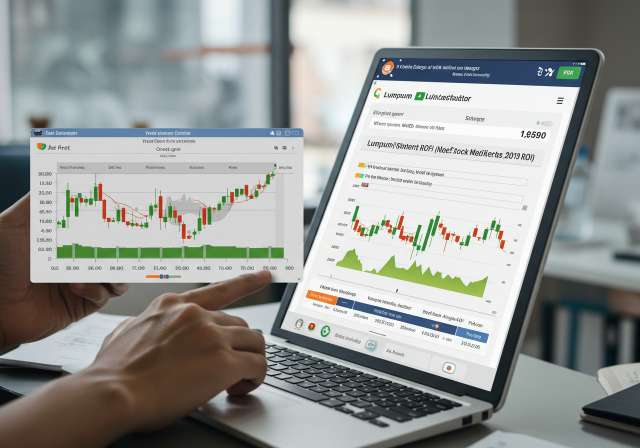
The trading platform is your primary tool for analyzing market trends, placing orders, and monitoring your positions. A user-friendly, responsive, and feature-rich platform is essential. Look for features like real-time market data, advanced charting tools, order management options, and mobile accessibility. Many brokers offer demo accounts to test their platforms before you commit.
Margin and Leverage
Margin is the amount of money you need to deposit with your broker to trade. Leverage is the ability to control a larger amount of assets with a smaller investment. Daily traders often use leverage to amplify their potential profits (and losses). However, it’s crucial to understand the risks associated with leverage and use it judiciously. SEBI regulations impose limits on the amount of leverage brokers can offer.
Research and Analysis Tools
Access to research reports, market analysis tools, and expert opinions can significantly enhance your trading decisions. Some brokers offer in-house research and analysis, while others provide access to third-party research providers. Consider the quality and relevance of the research offered.
Customer Support
Reliable customer support is essential, especially for beginners. Choose a broker that offers multiple channels of support, including phone, email, and live chat. Prompt and helpful customer service can be crucial when dealing with technical issues or urgent queries.
How to Use Your Demat Account for Daily Trading
Once you have your Demat account and trading account set up, you can start daily trading. Here’s a step-by-step guide:
- Fund Your Trading Account: Transfer funds from your linked bank account to your trading account. Most brokers offer online fund transfer options.
- Choose Your Stocks: Select the stocks you want to trade based on your research and analysis. Consider factors like volatility, liquidity, and news events.
- Analyze Market Trends: Use technical analysis tools like charts, indicators, and patterns to identify potential entry and exit points.
- Place Your Orders: Use your broker’s trading platform to place buy and sell orders. You can choose from different order types, such as market orders, limit orders, and stop-loss orders. A stop-loss order is particularly important for managing risk in daily trading.
- Monitor Your Positions: Track your open positions closely and monitor market movements. Be prepared to adjust your positions if necessary.
- Square Off Your Positions: Before the end of the trading day, square off all your positions by selling the shares you bought or buying back the shares you sold. This is essential for daily trading to avoid overnight risk.
Risk Management in Daily Trading
Daily trading is inherently risky, and effective risk management is crucial for survival. Here are some essential risk management strategies:
- Set Stop-Loss Orders: Always use stop-loss orders to limit your potential losses on each trade. A stop-loss order automatically sells your shares if the price falls to a predetermined level.
- Manage Your Leverage: Use leverage judiciously and avoid overleveraging your positions. High leverage can amplify your losses.
- Diversify Your Trades: Don’t put all your eggs in one basket. Spread your risk by trading in different stocks or asset classes.
- Control Your Emotions: Avoid making impulsive decisions based on fear or greed. Stick to your trading plan and discipline.
- Keep a Trading Journal: Track your trades, analyze your performance, and learn from your mistakes. A trading journal can help you identify patterns and improve your trading strategies.
Tax Implications of Daily Trading
Profits from daily trading are considered speculative business income and are taxed according to your income tax slab. It’s essential to maintain accurate records of your trades and consult with a tax advisor to understand your tax obligations. Losses from speculative business income can be set off only against speculative business income.
Demat Account for Daily Trading and Other Investment Options
While a Demat account is essential for daily trading, it also opens doors to a wide range of other investment options available in the Indian financial market. Here are a few examples:
- Equity Investments: Invest in stocks for long-term capital appreciation.
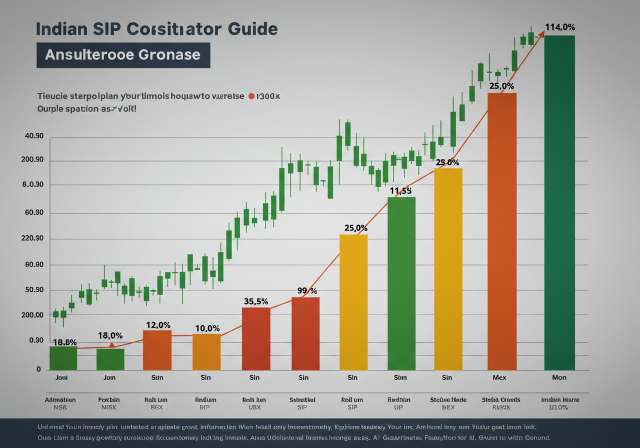
- Mutual Funds: Invest in diversified portfolios managed by professional fund managers. Options include equity mutual funds, debt mutual funds, and hybrid mutual funds. Systematic Investment Plans (SIPs) are a popular way to invest in mutual funds regularly.
- Exchange Traded Funds (ETFs): ETFs are similar to mutual funds but trade like stocks on the exchange.
- Bonds and Debentures: Invest in fixed-income securities for regular interest income.
- Initial Public Offerings (IPOs): Apply for shares in companies going public for potential listing gains.
- Government Securities: Invest in risk-free government bonds for safe returns.
Demat Account and Long-Term Investments: A Synergistic Approach
While primarily associated with daily trading, a Demat account serves as the foundation for a diversified investment portfolio. Long-term investments, such as those made through Systematic Investment Plans (SIPs) in mutual funds or direct equity purchases for long-term capital appreciation, are seamlessly managed within the same Demat account. This consolidated approach simplifies portfolio tracking and management.
Furthermore, tax-saving investments like Equity Linked Savings Schemes (ELSS) which are a type of mutual fund, Public Provident Fund (PPF), and National Pension System (NPS) often require a Demat account for holding units or facilitating transactions. A well-rounded financial plan often integrates both short-term trading opportunities and long-term wealth creation strategies, all facilitated by the versatility of a Demat account.
Conclusion: Empowering Your Trading Journey
A Demat account is the cornerstone of daily trading in India, providing a secure and efficient way to hold and transfer securities. By understanding the intricacies of opening a Demat account, choosing the right broker, implementing effective risk management strategies, and considering the tax implications, you can navigate the dynamic world of daily trading with confidence. Remember to approach daily trading with discipline, a well-defined trading plan, and a commitment to continuous learning. With the right tools and strategies, you can unlock the potential for financial success in the Indian stock market.