Unlock the Indian stock market! Learn about demat and trading account essentials: opening, fees, usage, and choosing the right broker. Start your investment jou
Unlock the Indian stock market! Learn about demat and trading account essentials: opening, fees, usage, and choosing the right broker. Start your investment journey now!
Demat and Trading Account: Your Gateway to the Indian Stock Market
Introduction: Navigating the World of Investments
The Indian stock market, with its potential for wealth creation, attracts a growing number of investors every year. From seasoned professionals to first-time entrants, everyone seeks to participate in the dynamic world of equities, mutual funds, and other investment instruments. Before you can even think about buying your first share on the NSE or participating in an IPO, you need the right tools. These tools are a demat account and a trading account – the essential keys to unlocking the opportunities within the Indian financial landscape.
This comprehensive guide will walk you through everything you need to know about these accounts, empowering you to make informed decisions and embark on your investment journey with confidence.
Understanding the Basics: What are Demat and Trading Accounts?
Demat Account: Your Digital Vault for Securities
A demat account, short for dematerialized account, is like a digital locker for your financial securities. Think of it as a bank account, but instead of holding money, it holds shares, bonds, mutual fund units, and other investment instruments in electronic form. Before the advent of demat accounts, these securities were held in physical certificate form, which was cumbersome, prone to damage, and difficult to transfer. The introduction of demat accounts by the National Securities Depository Limited (NSDL) and Central Depository Services Limited (CDSL) revolutionized the Indian stock market, making trading faster, safer, and more efficient.
In India, all transactions involving shares and securities are now primarily conducted in dematerialized form. Your demat account is linked to your trading account and is crucial for holding the investments you purchase.
Trading Account: Your Platform for Buying and Selling
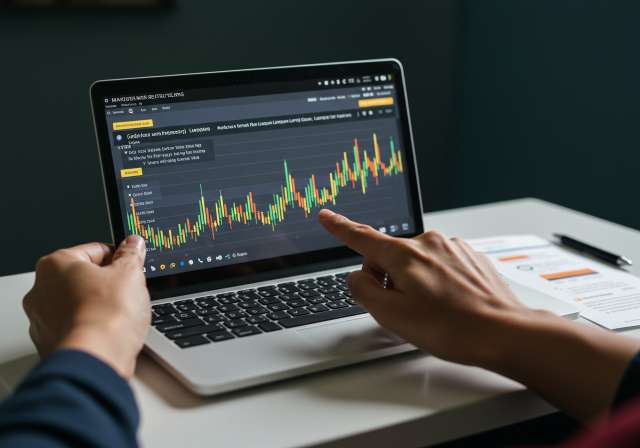
While your demat account stores your securities, your trading account is the platform you use to buy and sell them. It’s essentially an online interface provided by a stockbroker that allows you to place orders to buy or sell shares on the exchanges like the BSE and NSE. Through your trading account, you can access real-time market data, analyze stock prices, and execute trades with a few clicks.
Think of the trading account as your connection to the stock market. It’s where you place your orders, monitor your portfolio, and manage your investments. Choosing the right broker and understanding the trading platform are critical for successful investing.
Why are Demat and Trading Accounts Essential?
Together, these accounts form the backbone of your investment journey in the Indian stock market. Here’s why they are indispensable:
- Mandatory for Trading: SEBI, the regulatory body for the Indian securities market, mandates that all transactions in the equity market be conducted through a demat and trading account.
- Convenience and Speed: Buying and selling securities is now seamless and quick, eliminating the hassles associated with physical certificates.
- Safety and Security: Electronic storage eliminates the risk of loss, theft, or damage associated with physical certificates.
- Transparency: All transactions are recorded electronically, providing a clear audit trail.
- Access to Diverse Investments: A demat and trading account allows you to invest in a wide range of financial instruments, including equity shares, IPOs, mutual funds, bonds, and ETFs.
Opening a Demat and Trading Account: A Step-by-Step Guide
Opening a demat and trading account is a relatively straightforward process. Here’s a general outline:
- Choose a Depository Participant (DP)/Broker: DPs are intermediaries who facilitate the opening and operation of demat accounts. They are registered with either NSDL or CDSL. Many stockbrokers act as DPs. Consider factors like brokerage fees, trading platform features, research support, and customer service before making your choice. Popular brokers in India include Zerodha, Groww, Upstox, Angel One, and ICICI Direct.
- Fill out the Application Form: You’ll need to complete an online or offline application form, providing personal details, KYC (Know Your Customer) information, and bank account details.
- Submit KYC Documents: You’ll need to submit self-attested copies of documents for identity proof (e.g., Aadhaar card, PAN card, passport) and address proof (e.g., Aadhaar card, utility bill, bank statement).
- In-Person Verification (IPV): Many brokers conduct an IPV to verify your identity. This can be done online via video call or in person.
- Account Activation: Once your application is verified, your demat and trading account will be activated, and you will receive your account details.
Factors to Consider When Choosing a Broker
Selecting the right broker is crucial for a smooth and successful investment experience. Here are some key factors to consider:
- Brokerage Fees: Compare brokerage charges across different brokers. Some brokers offer flat fee plans, while others charge a percentage of the transaction value. Consider your trading frequency and volume when evaluating brokerage costs.
- Trading Platform: The trading platform should be user-friendly, reliable, and equipped with the necessary tools for analysis and execution. Look for features like real-time market data, charting tools, order placement options, and mobile accessibility.
- Research and Advisory Services: If you’re a beginner, you may benefit from brokers who offer research reports, investment recommendations, and advisory services. However, remember to do your own due diligence before making any investment decisions.
- Customer Service: Choose a broker with responsive and helpful customer service channels, including phone, email, and chat support.
- Account Maintenance Charges: Some brokers charge annual maintenance charges (AMC) for demat accounts. Check these charges before opening an account.
- Security: Ensure the broker has robust security measures in place to protect your account and personal information. Look for features like two-factor authentication and data encryption.
Understanding Demat and Trading Account Charges
It’s important to be aware of the various charges associated with demat and trading accounts:
- Account Opening Fees: Some brokers may charge a one-time fee for opening a demat and trading account.
- Annual Maintenance Charges (AMC): This is an annual fee charged for maintaining your demat account.
- Brokerage Fees: These are charges levied on each transaction you make (buying or selling securities).
- Transaction Charges: These are charges levied by the exchanges (NSE and BSE) and depositories (NSDL and CDSL) on each transaction.
- DP Charges: These are charges levied by the DP for debiting securities from your demat account when you sell them.
- GST: Goods and Services Tax (GST) is applicable on brokerage and other charges.
Linking Your Bank Account
Your demat and trading account needs to be linked to your bank account for seamless fund transfers. This allows you to transfer funds from your bank account to your trading account to buy securities and to receive funds when you sell securities.
During the account opening process, you will be required to provide your bank account details and submit a cancelled cheque. Ensure that the bank account details are accurate to avoid any transaction issues.
Using Your Demat and Trading Account for Different Investments
Once your account is active, you can use it to invest in a variety of financial instruments:
- Equity Shares: Buy and sell shares of publicly listed companies on the NSE and BSE.
- Initial Public Offerings (IPOs): Apply for shares in companies that are going public for the first time.
- Mutual Funds: Invest in mutual fund schemes through Systematic Investment Plans (SIPs) or lump sum investments. Many brokers offer a platform to invest directly in mutual funds, bypassing distributors and saving on commissions.
- Exchange Traded Funds (ETFs): Buy and sell ETFs, which are baskets of securities that track a specific index or commodity.
- Bonds: Invest in corporate or government bonds.
- Derivatives: Trade in futures and options (requires a higher level of understanding and risk tolerance).
Tax Implications of Investments Held in Demat Account
It is important to understand the tax implications of investments held in your demat account. Capital gains tax is levied on the profits you make from selling securities. The tax rate depends on the type of security and the holding period.
- Equity Shares and Equity Mutual Funds: Short-term capital gains (held for less than 12 months) are taxed at 15%. Long-term capital gains (held for more than 12 months) exceeding ₹1 lakh are taxed at 10%.
- Debt Mutual Funds: Short-term capital gains (held for less than 36 months) are taxed as per your income tax slab. Long-term capital gains (held for more than 36 months) are taxed at 20% with indexation benefit.
It is advisable to consult a tax advisor to understand the tax implications specific to your investment portfolio.
Demat Account and Tax Saving Investments
Certain tax-saving investments require a demat account. Equity Linked Savings Schemes (ELSS) are a type of mutual fund that qualifies for tax deduction under Section 80C of the Income Tax Act. These are usually held in demat form.
While Public Provident Fund (PPF) and National Pension System (NPS) do not require a demat account, you may choose to hold certain portions of NPS in dematerialized form, offering greater flexibility.
Conclusion: Empowering Your Investment Journey
A demat account and trading account are the essential tools for participating in the Indian stock market. By understanding the basics, choosing the right broker, and being aware of the associated charges, you can set yourself up for a successful and rewarding investment journey. Remember to invest wisely, diversify your portfolio, and stay informed about market trends and regulatory changes.