Looking for the best stock broker in India? Compare brokerage charges, platform features, account types, and customer support to find the perfect fit for your i
Looking for the best stock broker in india? Compare brokerage charges, platform features, account types, and customer support to find the perfect fit for your investment needs and start trading today!
Best Stock Broker in India: A Comprehensive Guide for 2024
Introduction: Navigating the Indian Stock Market
The Indian stock market, represented by the National Stock Exchange (NSE) and the Bombay Stock Exchange (BSE), offers a plethora of opportunities for investors to grow their wealth. However, navigating this dynamic landscape requires the expertise and platform of a reliable stock broker. Choosing the right broker is a crucial first step for both beginners and seasoned investors.
With a wide array of brokers available, each offering different features, pricing structures, and services, selecting the perfect one can be overwhelming. This guide aims to provide a comprehensive overview of the key factors to consider when choosing the best stock broker in India, helping you make an informed decision that aligns with your investment goals.
Key Factors to Consider When Choosing a Stock Broker
Before diving into specific brokers, it’s essential to understand the criteria that differentiate a good broker from a great one. Here’s a breakdown of the key factors:
1. Brokerage Charges: The Cost of Trading
Brokerage charges are the fees levied by the broker for executing trades on your behalf. These charges can significantly impact your overall returns, especially for frequent traders. Two primary brokerage models exist:
- Discount Brokers: These brokers typically offer a flat fee per trade, regardless of the trade value. This model is ideal for active traders who execute a high volume of trades. Common examples include Zerodha, Upstox, and Groww.
- Full-Service Brokers: These brokers offer a wider range of services, including research reports, personalized advisory, and relationship management. Their brokerage charges are usually higher, often calculated as a percentage of the trade value. Examples include HDFC Securities, ICICI Direct, and Kotak Securities.
It’s crucial to compare the brokerage charges of different brokers and choose the model that best suits your trading style and frequency. Consider not only the per-trade charges but also any hidden fees or account maintenance charges.
2. Trading Platform and Technology
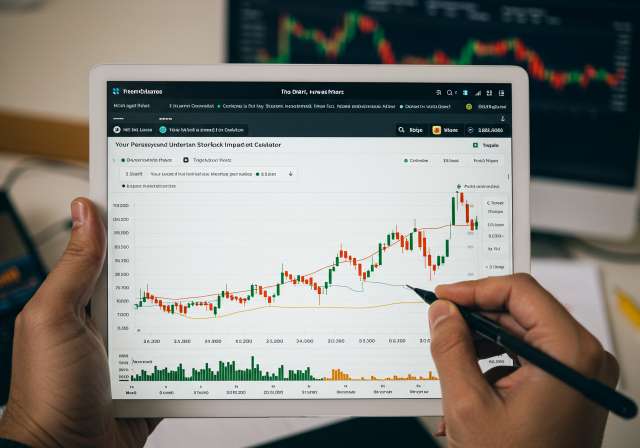
A user-friendly and robust trading platform is essential for a seamless trading experience. The platform should offer real-time market data, charting tools, order placement options, and portfolio tracking features. Mobile app availability is also critical for investors who prefer to trade on the go.
Look for platforms that offer:
- Advanced charting tools: Essential for technical analysis and identifying trading opportunities.
- Real-time market data: Provides up-to-the-minute information on stock prices and market trends.
- Order types: Including market orders, limit orders, stop-loss orders, and bracket orders, catering to different trading strategies.
- User-friendly interface: Easy navigation and intuitive design for a smooth trading experience.
3. Account Types and Investment Options
Different brokers offer different types of trading accounts, including:
- Trading Account: Essential for buying and selling securities in the stock market.
- Demat Account: Used to hold securities in electronic form. Both a trading and demat account are typically required to trade in the Indian stock market.
- Margin Account: Allows you to trade with borrowed funds, leveraging your investments. However, margin trading involves higher risk.
Consider the range of investment options offered by the broker. Do they offer access to equities, derivatives (futures and options), commodities, currencies, IPOs (Initial Public Offerings), mutual funds, and other investment products? Choose a broker that provides access to the investment options you’re interested in.
4. Research and Advisory Services
For investors who rely on research and advisory, choosing a broker with strong research capabilities is crucial. Full-service brokers typically offer comprehensive research reports, stock recommendations, and personalized advisory services. Discount brokers may offer limited research or charge extra for these services.
Evaluate the quality and reliability of the research reports. Are they based on sound fundamental and technical analysis? Do they provide actionable insights and recommendations?
5. Customer Support
Reliable customer support is essential, especially for beginners. Look for brokers that offer multiple channels of support, including phone, email, and live chat. Test the responsiveness and helpfulness of the customer support team before committing to a broker.
Consider the operating hours of the customer support team. Are they available during market hours? Do they offer 24/7 support?
6. Regulatory Compliance and Security
Ensure that the broker is registered with SEBI (Securities and Exchange Board of India), the regulatory body for the Indian stock market. SEBI registration ensures that the broker adheres to regulatory guidelines and provides a level of investor protection.
Also, check the security measures implemented by the broker to protect your account and personal information. Do they use encryption and two-factor authentication? Do they have robust data security policies in place?
Comparing Popular Stock Brokers in India
Now, let’s compare some of the popular stock brokers in India based on the factors discussed above:
Discount Brokers
- Zerodha: A pioneer in the discount broking space, Zerodha is known for its flat fee pricing model, user-friendly platform (Kite), and extensive educational resources. They offer access to equities, derivatives, mutual funds, and IPOs.
- Upstox: Another popular discount broker, Upstox offers a similar pricing model to Zerodha and provides a user-friendly platform for trading equities, derivatives, and commodities.
- Groww: Groww is a relatively new player in the market but has quickly gained popularity due to its simple and intuitive platform, particularly for investing in mutual funds and stocks.
- Angel One: While offering both full-service and discount broking options, Angel One has leaned heavily into the discount space recently. It provides various trading tools and research.
Full-Service Brokers
- HDFC Securities: A leading full-service broker, HDFC Securities offers comprehensive research reports, personalized advisory, and a wide range of investment options. They are known for their strong customer support and reliable platform.
- ICICI Direct: Another prominent full-service broker, ICICI Direct provides access to equities, derivatives, mutual funds, IPOs, and fixed deposits. They offer extensive research and advisory services.
- Kotak Securities: Kotak Securities is a full-service broker offering a range of investment options and personalized services. They are known for their strong research capabilities and customer service.
Mutual Funds and SIPs Through Stock Brokers
Many stock brokers also offer platforms to invest in mutual funds. You can invest in mutual funds either through a lump sum investment or through Systematic Investment Plans (SIPs). SIPs allow you to invest a fixed amount regularly, typically monthly, which helps in rupee cost averaging and long-term wealth creation.
Brokers like Zerodha (Coin), Groww, and Upstox have dedicated platforms for mutual fund investments, offering a wide range of funds across different categories and asset classes. Investing through a broker can be convenient as it allows you to manage both your stock and mutual fund investments in one place. Furthermore, many brokers offer commission-free direct mutual funds, further enhancing your returns.
Tax Saving Investments Through Stock Brokers
Some stock brokers also facilitate investments in tax-saving instruments like Equity Linked Savings Schemes (ELSS). ELSS are mutual funds that qualify for tax deduction under Section 80C of the Income Tax Act. Investing in ELSS through a stock broker can be a convenient way to save on taxes while also participating in the equity markets. Other tax-saving options like Public Provident Fund (PPF) and National Pension System (NPS) are typically not offered directly through stock brokers, but some brokers may facilitate access to these investments through partnerships or other arrangements.
The Role of Demat Account
A Demat account is crucial for holding your shares and securities in electronic form. Your chosen stock broker will typically facilitate the opening of a Demat account with either the Central Depository Services Limited (CDSL) or the National Securities Depository Limited (NSDL). The Demat account is linked to your trading account and allows for seamless transfer of shares when you buy or sell them. Different brokers may have different charges for Demat account maintenance, so it’s important to compare these charges before making a decision.
Choosing the Right Broker for Your Needs
Ultimately, the best stock broker in india is the one that best suits your individual needs and investment goals. Consider your trading frequency, investment preferences, risk tolerance, and budget when making your decision. Don’t hesitate to compare multiple brokers and test their platforms before committing to one.
Conclusion: Investing Wisely with the Right Partner
Choosing the right stock broker is a crucial step towards achieving your financial goals in the Indian stock market. By carefully considering the factors discussed in this guide and comparing different brokers, you can make an informed decision and select a partner that will support your investment journey. Remember to prioritize regulatory compliance, security, and customer support, in addition to brokerage charges and platform features. Happy investing!