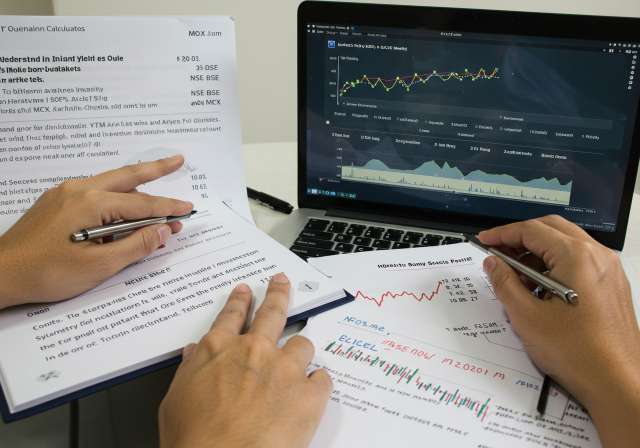
Looking for a demat account with zero brokerage fees? Discover the benefits, risks & top brokers in India offering this. Start your investment journey smartly w
Looking for a demat account with zero brokerage fees? Discover the benefits, risks & top brokers in India offering this. Start your investment journey smartly with the right demat account! Explore equity markets, SIPs, and more.
Zero Brokerage Demat Accounts: A Smart Choice for Indian Investors?
Introduction: The Evolving Landscape of Indian Investing
The Indian investment landscape has undergone a dramatic transformation in recent years, driven by increasing financial literacy, technological advancements, and a growing desire among Indians to participate in the wealth-creation opportunities offered by the equity markets. Gone are the days when stock trading was the exclusive domain of a select few. Today, millions of Indians, from seasoned professionals to first-time investors, are actively engaging with the NSE (National Stock Exchange) and BSE (Bombay Stock Exchange).
This democratization of investing has been further accelerated by the emergence of online brokerage platforms that offer convenient and affordable access to a wide range of investment instruments, including equities, mutual funds, and derivatives. One of the most significant developments in this space has been the rise of “zero brokerage” demat accounts. These accounts promise to eliminate brokerage charges, making investing more accessible and potentially more profitable for investors, especially those who trade frequently or in small volumes.
What is a Demat Account and Why is it Important?
Before diving into the specifics of zero brokerage, let’s first understand the crucial role of a demat account. A demat account, short for dematerialization account, is essential for holding shares and other securities in electronic form. Think of it as a digital locker where your investments are safely stored. In India, demat accounts are mandatory for trading in equities, bonds, and ETFs (Exchange Traded Funds). They are governed and regulated by SEBI (Securities and Exchange Board of India) to ensure investor protection and market integrity.
The dematerialization process involves converting physical share certificates into electronic form, making trading and transferring securities much faster, more efficient, and more secure than traditional paper-based methods. Demat accounts are typically opened with a Depository Participant (DP), which could be a bank, a brokerage firm, or a financial institution. Some popular DPs in India include HDFC Securities, ICICI Direct, Zerodha, and Upstox.
The Allure of Zero Brokerage: Why is it Attractive?
The primary attraction of a demat account with zero brokerage fees is, of course, the elimination of brokerage charges. Traditional brokerage models typically involve charging a percentage of the transaction value or a fixed fee per trade. These charges can eat into your profits, especially if you are a frequent trader or invest in small amounts. Zero brokerage accounts eliminate this cost, potentially leading to significant savings over time.
Here’s a breakdown of the key benefits:
- Cost Savings: The most obvious benefit is the elimination of brokerage charges. This can significantly reduce your overall investment costs, especially for active traders.
- Increased Profitability: By reducing your trading costs, you increase your potential profitability. Even small savings can add up over time and boost your returns.
- Encourages Small Investments: Zero brokerage makes it more feasible to invest small amounts regularly. This is particularly beneficial for beginners who are just starting to build their investment portfolio through SIPs (Systematic Investment Plans) in mutual funds or small-cap stocks.
- Simplifies Trading: The absence of brokerage charges simplifies the trading process. You don’t have to constantly calculate the impact of brokerage on your potential profits or losses.
Understanding the Fine Print: Potential Costs and Considerations
While zero brokerage accounts appear to be a great deal, it’s crucial to understand that “zero brokerage” doesn’t necessarily mean “zero cost.” There are often other fees and charges associated with these accounts that you should be aware of. It’s important to carefully read the terms and conditions before opening an account.
Here are some common charges to look out for:
- Account Opening Charges: Some brokers may charge a fee for opening a demat account, even if they offer zero brokerage.
- Annual Maintenance Charges (AMC): Most DPs charge an annual fee for maintaining your demat account. These charges can vary depending on the DP.
- Transaction Charges: While brokerage may be zero, DPs typically charge transaction fees levied by the exchanges (NSE/BSE) and depositories (NSDL/CDSL). These are usually a small percentage of the transaction value.
- DP Charges: DP charges are levied by the Depository Participant for each debit transaction (when shares are sold from your demat account).
- Delayed Payment Charges: If you fail to pay for your trades on time, you may incur delayed payment charges.
- Other Charges: Some brokers may charge for additional services such as research reports, advisory services, or access to advanced trading platforms.
Evaluating Different Brokerage Models: Zero Brokerage vs. Traditional Brokerage
Choosing between a zero brokerage account and a traditional brokerage account depends on your individual investment style and needs. Here’s a comparison to help you decide:
Zero Brokerage Accounts:
- Best for: Frequent traders, small investors, beginners.
- Pros: Lower trading costs, increased profitability, encourages small investments.
- Cons: May have other hidden charges, may offer limited research and advisory services.
Traditional Brokerage Accounts:
- Best for: Long-term investors, those who value research and advisory services, investors who trade infrequently.
- Pros: Comprehensive research and advisory services, personalized support, access to a wider range of investment products.
- Cons: Higher trading costs, brokerage charges can eat into profits.
Popular Brokers Offering Zero Brokerage Accounts in India
Several brokers in India now offer zero brokerage accounts. Some of the popular options include:
- Zerodha: A pioneer in the discount brokerage space, Zerodha offers zero brokerage for equity delivery trades and charges a flat fee for intraday and F&O trades.
- Upstox: Another popular discount broker, Upstox offers zero brokerage for equity delivery and charges a competitive flat fee for other types of trades.
- Groww: Groww offers a simple and user-friendly platform with zero brokerage for equity delivery and direct mutual fund investments.
- Angel One: Offers various brokerage plans, including a zero brokerage plan for certain types of trades.
It is important to compare the features, charges, and platform usability of different brokers before making a decision. Consider factors such as the trading platform’s interface, the availability of research and analysis tools, customer support, and the overall reputation of the broker. Furthermore, examine the security features and ensure the broker is registered with SEBI and complies with all regulatory requirements.
Beyond Equities: Investing in Mutual Funds, PPF, and NPS
While zero brokerage is primarily associated with equity trading, it’s important to remember that there are other investment options available to Indian investors. These include:
- Mutual Funds: Investing in mutual funds through SIPs or lump-sum investments allows you to diversify your portfolio and benefit from professional fund management. Some brokers offer direct mutual fund investments with zero commission.
- Public Provident Fund (PPF): A PPF is a government-backed savings scheme offering tax benefits and guaranteed returns. It’s a popular choice for long-term financial planning.
- National Pension System (NPS): The NPS is a retirement savings scheme that allows you to invest in a mix of equities, bonds, and government securities. It also offers tax benefits.
- ELSS (Equity Linked Savings Scheme): ELSS funds are equity mutual funds that offer tax benefits under Section 80C of the Income Tax Act.
These options provide alternative avenues for wealth creation and diversification, complementing direct equity investments. Remember to consult with a financial advisor to determine the best investment strategy for your individual needs and risk tolerance.
Risk Management: Protecting Your Investments
Regardless of whether you are using a zero brokerage account or a traditional brokerage account, it’s crucial to have a solid risk management strategy in place. Investing in the stock market involves inherent risks, and it’s important to understand these risks and take steps to mitigate them.
Here are some key risk management tips:
- Diversify Your Portfolio: Don’t put all your eggs in one basket. Spread your investments across different asset classes, sectors, and companies to reduce your overall risk.
- Set Stop-Loss Orders: Use stop-loss orders to limit your potential losses on individual trades. A stop-loss order automatically sells your shares if the price falls below a certain level.
- Do Your Research: Before investing in any stock, thoroughly research the company, its financials, and its industry.
- Invest What You Can Afford to Lose: Never invest more than you can afford to lose. The stock market can be volatile, and there is always a risk of losing money.
- Stay Informed: Keep up-to-date with market news and trends. This will help you make informed investment decisions.
Conclusion: Making an Informed Decision
A demat account with zero brokerage fees can be a valuable tool for Indian investors, offering the potential for cost savings and increased profitability. However, it’s important to understand the fine print, consider all associated costs, and choose a broker that aligns with your individual investment needs and risk tolerance. Remember to prioritize risk management and diversify your portfolio to protect your investments. By making an informed decision and adopting a disciplined investment approach, you can navigate the Indian equity markets with confidence and achieve your financial goals.