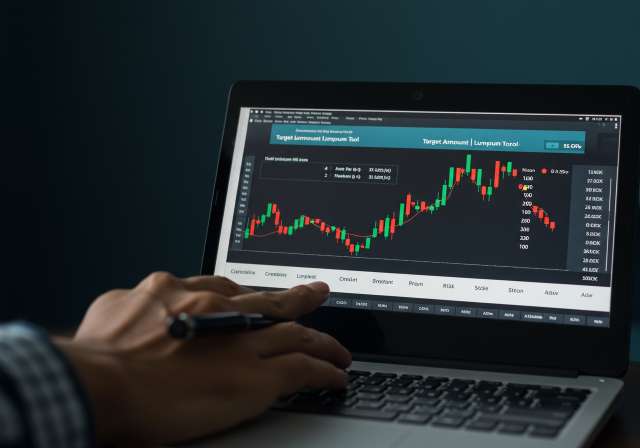
Unlock investment opportunities with a demat account with free trading account. Explore benefits, charges, and how to choose the best one for seamless stock mar
Unlock investment opportunities with a demat account with free trading account. Explore benefits, charges, and how to choose the best one for seamless stock market investing in India.
Demat & Trading Account Combo: Is Free Really Worth It?
Decoding the Demat Account and Trading Account Duo
For anyone stepping into the Indian equity markets, understanding the relationship between a Demat account and a Trading account is crucial. Think of it this way: a Demat account is like your digital locker where you hold your shares, bonds, and other securities in electronic form. This eliminates the need for physical share certificates, making trading safer and more efficient. This system is regulated by the Securities and Exchange Board of India (SEBI), ensuring a secure environment for investors.
On the other hand, a Trading account is your portal to the stock market. It’s through this account that you place buy and sell orders on exchanges like the National Stock Exchange (NSE) and the Bombay Stock Exchange (BSE). Essentially, the Trading account facilitates the transaction, while the Demat account safeguards your assets.
Traditionally, these two accounts are intrinsically linked. You need both to seamlessly buy, sell, and hold securities. Financial institutions in India usually offer them as a combined package.
The Allure of “Free”: Unveiling the Details
In recent years, many brokerage firms have started offering “free” Demat and Trading accounts. This marketing strategy can be quite appealing, especially to new investors who are cost-conscious. But before you jump on the bandwagon, it’s essential to understand what “free” truly entails. Often, the fine print reveals hidden costs or conditions.
The term “free” typically refers to the absence of account opening charges (which can range from ₹0 to ₹999 or more) and annual maintenance charges (AMC) for the Demat account. However, this doesn’t mean that trading is entirely free of cost. Here’s a breakdown of the potential charges you might encounter:
- Brokerage Fees: This is the most common charge. It’s the commission you pay to your broker for executing buy and sell orders. While some brokers offer zero brokerage for delivery-based trades (where you hold the stock for more than a day), they might charge a flat fee or a percentage-based commission for intraday trades.
- Transaction Charges: These are levied by the stock exchanges (NSE and BSE) and clearing corporations for each transaction you make.
- SEBI Turnover Fees: A small fee charged by SEBI for regulating the market.
- Goods and Services Tax (GST): Applicable on brokerage, transaction charges, and SEBI fees.
- Stamp Duty: A tax levied by the state government on the transfer of securities.
Therefore, while the account itself might be “free,” you will still incur transaction-related costs when you actively trade. It is crucial to analyze these costs and compare them across different brokers to determine the most cost-effective option for your trading style.
Benefits of Having a Demat Account with Free Trading Account
Despite the potential for hidden costs, a Demat account with free trading account can offer several advantages, especially for beginners:
- Low Initial Investment: The absence of account opening fees makes it easier to start investing with a smaller capital.
- Ease of Account Opening: Most brokers offer a completely online account opening process, making it quick and convenient.
- Access to a Wide Range of Investment Options: Through your Demat and Trading account, you can invest in equities, IPOs, mutual funds, ETFs, and other financial instruments.
- Convenient Portfolio Management: You can track your investments and manage your portfolio online.
- Potential Savings on AMC: If the account genuinely waives AMC, you can save money in the long run, especially if you are not a frequent trader.
Hidden Costs to Watch Out For
Before you sign up for a “free” Demat and Trading account, be aware of these potential hidden costs:
- Inactive Account Charges: Some brokers might charge a fee if your account remains inactive for a certain period.
- Demat Transaction Charges: These charges apply when you debit securities from your Demat account, for example, when you sell shares.
- Minimum Balance Requirements: Some brokers might require you to maintain a minimum balance in your trading account.
- Platform Usage Fees: Certain sophisticated trading platforms might come with a subscription fee.
- Hidden Brokerage Plans: Some “free” accounts might have higher brokerage rates than paid accounts.
Choosing the Right Demat and Trading Account: Key Considerations
Selecting the right Demat and Trading account is a critical decision that can significantly impact your investment journey. Here are some key factors to consider:
- Brokerage Charges: Compare the brokerage rates for different types of trades (delivery, intraday, futures, and options). Look for brokers that offer a plan that aligns with your trading frequency and style.
- Account Maintenance Charges (AMC): Check if the AMC is truly waived or if there are any conditions attached.
- Trading Platform: Evaluate the user-friendliness and features of the broker’s trading platform. Look for features like real-time quotes, charting tools, and order placement options.
- Customer Service: Choose a broker with a responsive and reliable customer support team.
- Research and Advisory Services: If you need assistance with investment decisions, consider brokers that offer research reports, market analysis, and investment recommendations.
- Reputation and Reliability: Opt for a well-established and reputable broker that is registered with SEBI. Check for any past disciplinary actions or complaints against the broker.
- Margin Trading Facility: If you plan to engage in margin trading, understand the broker’s margin policies and interest rates.
- Other Charges: Inquire about any other charges, such as demat transaction charges, account closure fees, and statement charges.
Popular Investment Avenues in India Accessible Through Your Demat Account
Once you have your Demat and Trading account set up, you can explore a plethora of investment opportunities in the Indian market:
- Equities: Invest in shares of publicly listed companies on the NSE and BSE.
- Initial Public Offerings (IPOs): Apply for shares of companies that are going public for the first time.
- Mutual Funds: Invest in diversified portfolios of stocks, bonds, or other assets managed by professional fund managers. You can invest through Systematic Investment Plans (SIPs) or lump sum investments.
- Exchange Traded Funds (ETFs): Invest in baskets of securities that track a specific index or sector.
- Sovereign Gold Bonds (SGBs): Invest in gold in paper form, issued by the Reserve Bank of India (RBI).
- Debt Instruments: Invest in corporate bonds, government securities, and other fixed-income instruments.
Tax Implications of Investing in India
Understanding the tax implications of your investments is crucial for maximizing your returns. Here’s a brief overview of the key taxes:
- Capital Gains Tax: This tax applies to the profits you make from selling your investments. Short-term capital gains (STCG) are taxed at your applicable income tax slab rate if the asset is held for less than a year, while long-term capital gains (LTCG) are taxed at a concessional rate (typically 10% on gains exceeding ₹1 lakh per year for equity shares and equity mutual funds held for more than 12 months).
- Dividend Income: Dividends received from companies and mutual funds are taxable as per your income tax slab.
- Securities Transaction Tax (STT): This is a small tax levied on the purchase and sale of securities on the stock exchanges.
Other Investment Options to Consider
While a Demat and Trading account primarily facilitates investment in the stock market, it’s important to diversify your portfolio by considering other investment options as well:
- Public Provident Fund (PPF): A government-backed savings scheme that offers tax benefits and guaranteed returns.
- National Pension System (NPS): A retirement savings scheme that allows you to invest in a mix of equity and debt.
- Equity Linked Savings Scheme (ELSS): A type of mutual fund that offers tax benefits under Section 80C of the Income Tax Act.
- Real Estate: Investing in property can provide rental income and potential capital appreciation.
- Fixed Deposits (FDs): A safe and secure investment option that offers fixed interest rates.
Conclusion: Making an Informed Decision
The availability of a demat account with free trading account offers an attractive entry point into the world of investing. However, it is crucial to look beyond the “free” tag and carefully evaluate the associated costs, features, and services offered by different brokers. By understanding the fine print, considering your individual investment needs, and choosing a reliable broker, you can make an informed decision and embark on a successful investment journey.