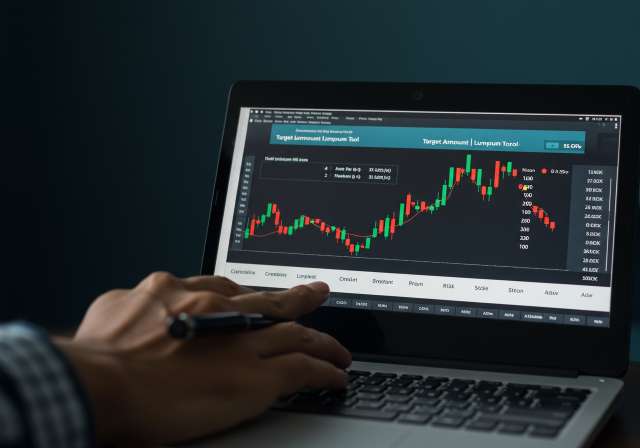
Tag: stock trading

  • Decoding Intraday Trading: A Comprehensive Guide for Indian Investors

    Decoding Intraday Trading: A Comprehensive Guide for Indian Investors

    Master intraday trading in India! Learn strategies, risks, and tips for navigating the NSE & BSE. Understand technical analysis, risk management, and make infor

    Master intraday trading in India! Learn strategies, risks, and tips for navigating the NSE & BSE. Understand technical analysis, risk management, and make informed decisions.

    Decoding Intraday Trading: A Comprehensive Guide for Indian Investors

    Understanding the Fundamentals of Intraday Trading in India

    The Indian stock market offers a plethora of opportunities for investors, from long-term investments in fundamentally strong companies to short-term strategies aimed at capitalizing on daily price fluctuations. Among these strategies, one of the most discussed and potentially lucrative, yet also risky, is intraday trading. In this comprehensive guide, we will delve into the intricacies of intraday trading, specifically within the Indian context, focusing on the NSE (National Stock Exchange) and BSE (Bombay Stock Exchange).

    Intraday trading, also known as day trading, involves buying and selling financial instruments, such as stocks, currencies, or commodities, within the same trading day. The primary goal is to profit from small price movements that occur throughout the day. Unlike long-term investing, where investors hold assets for months or years, intraday traders close out all their positions before the market closes, typically around 3:30 PM IST. This eliminates the risk of overnight price fluctuations, but introduces a higher frequency of trading and a need for quick decision-making.

    Key Differences Between Intraday Trading and Delivery Trading

    It’s crucial to understand the distinction between intraday trading and delivery trading, which is the more traditional form of investing. Here’s a table highlighting the key differences:

    Feature Intraday Trading Delivery Trading
    Holding Period Same day (positions are squared off before market close) Days, weeks, months, or years
    Objective Profit from short-term price fluctuations Long-term capital appreciation and dividends
    Risk Higher risk due to leverage and quick decision-making Lower risk (relatively) with a longer time horizon
    Capital Requirement Lower capital requirement due to leverage (margin) Higher capital requirement as full amount is required
    Analysis Technical analysis is crucial Fundamental analysis is more important

    Essential Tools and Strategies for Indian Intraday Traders

    Success in intraday trading requires a combination of knowledge, discipline, and the right tools. Here’s a breakdown of essential elements for Indian traders:

    1. Technical Analysis: Charting Your Course

    Technical analysis is the cornerstone of intraday trading. It involves studying historical price and volume data to identify patterns and trends that can predict future price movements. Key technical indicators commonly used by Indian traders include:

    • Moving Averages (MA): Used to smooth out price data and identify trends. Popular moving averages include the 50-day and 200-day MAs.
    • Relative Strength Index (RSI): An oscillator that measures the magnitude of recent price changes to evaluate overbought or oversold conditions.
    • Moving Average Convergence Divergence (MACD): A trend-following momentum indicator that shows the relationship between two moving averages of a security’s price.
    • Bollinger Bands: Bands plotted at standard deviation levels above and below a moving average. They can indicate price volatility and potential breakout points.
    • Fibonacci Retracement Levels: Horizontal lines that indicate potential support and resistance levels based on Fibonacci ratios.

    2. Risk Management: Protecting Your Capital

    Risk management is paramount in intraday trading. Given the high volatility and leverage involved, it’s crucial to protect your capital. Key risk management strategies include:

    • Stop-Loss Orders: Predetermined price levels at which you will automatically exit a trade to limit your losses. Indian traders should always use stop-loss orders.
    • Position Sizing: Determining the appropriate amount of capital to allocate to each trade based on your risk tolerance and account size. Never risk more than 1-2% of your trading capital on a single trade.
    • Leverage Management: Understanding and carefully managing the leverage provided by your broker. While leverage can amplify profits, it can also magnify losses.
    • Profit Targets: Setting realistic profit targets for each trade and sticking to them. Avoid greed and the temptation to stay in a winning trade for too long.

    3. Choosing the Right Stocks for Intraday Trading

    Selecting the right stocks is crucial for successful intraday trading. Look for stocks that exhibit the following characteristics:

    • High Liquidity: Stocks with high trading volume ensure that you can easily enter and exit positions without significantly affecting the price.
    • Volatility: Stocks that experience significant price fluctuations during the day offer more opportunities for profit.
    • News Flow: Stocks that are in the news or have upcoming earnings announcements tend to be more volatile.

    Indian traders often focus on Nifty 50 stocks due to their high liquidity and volatility. However, it’s important to conduct thorough research and analysis before trading any stock.

    4. Trading Psychology: Maintaining Discipline and Emotional Control

    Trading psychology plays a crucial role in intraday trading success. Fear and greed can lead to impulsive decisions and costly mistakes. Develop the following traits:

    • Discipline: Stick to your trading plan and avoid deviating from your pre-defined strategies.
    • Emotional Control: Manage your emotions and avoid making decisions based on fear or greed.
    • Patience: Wait for the right opportunities and avoid forcing trades.
    • Learning from Mistakes: Analyze your trades, identify mistakes, and learn from them.

    Navigating the Indian Regulatory Landscape for Intraday Trading

    The Indian stock market is regulated by the Securities and Exchange Board of India (SEBI). SEBI has implemented various rules and regulations to protect investors and ensure fair market practices. Indian intraday traders need to be aware of these regulations:

    • Margin Requirements: SEBI sets margin requirements for intraday trading to limit the amount of leverage that traders can use. These requirements can vary depending on the stock and the broker.
    • Surveillance Measures: SEBI actively monitors trading activity to detect and prevent market manipulation and insider trading.
    • Investor Grievance Redressal: SEBI provides a mechanism for investors to file complaints against brokers and other market participants.

    It is important to choose a reputable broker that is registered with SEBI and complies with all regulatory requirements. Check the broker’s registration status and background before opening an account.

    Intraday Trading vs. Other Investment Options in India: A Comparative Look

    While intraday trading offers the potential for quick profits, it’s important to compare it with other investment options available to Indian investors. Here’s a brief comparison:

    • Mutual Funds: Offer diversification and professional management. Suitable for long-term investors seeking capital appreciation. Systematic Investment Plans (SIPs) are a popular way to invest in mutual funds.
    • Equity Linked Savings Scheme (ELSS): Tax-saving mutual funds that invest in equities. Offer tax benefits under Section 80C of the Income Tax Act.
    • Public Provident Fund (PPF): A government-backed savings scheme that offers guaranteed returns and tax benefits. Suitable for long-term savings.
    • National Pension System (NPS): A retirement savings scheme that allows individuals to invest in a mix of equity, debt, and government securities.

    Intraday trading is generally not recommended for beginners or those with a low-risk tolerance. It requires significant time, effort, and knowledge. It’s crucial to understand your risk profile and investment goals before engaging in intraday trading.

    Practical Tips for Aspiring Intraday Traders in India

    Here are some practical tips for Indian investors who are considering venturing into intraday trading:

    • Start Small: Begin with a small amount of capital that you can afford to lose.
    • Practice with Paper Trading: Use a paper trading account to simulate real trading without risking any money.
    • Develop a Trading Plan: Create a detailed trading plan that outlines your strategies, risk management rules, and profit targets.
    • Stay Updated: Keep abreast of market news, economic indicators, and corporate announcements.
    • Continuously Learn: Intraday trading is a constantly evolving field. Continuously learn and adapt your strategies to changing market conditions.

    While the allure of quick profits in intraday trading is undeniable, it’s vital to approach it with caution, discipline, and a thorough understanding of the risks involved. Before diving into the world of daily market maneuvers, ensure you have a solid grasp of technical analysis, risk management, and trading psychology. Remember to always prioritize protecting your capital and trade responsibly.

  • Navigating the Indian Stock Market: A Comprehensive Guide to BSE

    Navigating the Indian Stock Market: A Comprehensive Guide to BSE

    Unlock the potential of the Indian stock market! Explore the Bombay Stock Exchange, its history, indices like Sensex, trading, IPOs, & how to invest wisely. Lea

    Unlock the potential of the Indian stock market! Explore the Bombay Stock Exchange, its history, indices like Sensex, trading, IPOs, & how to invest wisely. Learn about SEBI regulations & financial planning.

    Navigating the Indian Stock Market: A Comprehensive Guide to bse

    Introduction: Understanding the Indian Equity Landscape

    The Indian stock market is a dynamic and ever-evolving entity, offering a plethora of opportunities for investors seeking wealth creation. It’s a cornerstone of the Indian economy, reflecting the performance of numerous companies across diverse sectors. Understanding the nuances of this market is crucial for both seasoned investors and those just starting their investment journey.

    This guide aims to provide a comprehensive overview of the Indian stock market, delving into its key players, indices, investment options, and regulatory framework. We will explore the various avenues for participation, emphasizing the importance of informed decision-making and risk management.

    The Bombay Stock Exchange: A Historical Perspective

    The Indian stock market has a rich history, dating back to the 19th century. The establishment of the Bombay Stock Exchange (BSE) marks a significant milestone in its evolution.

    A Legacy of Growth and Innovation

    Founded in 1875, the BSE is Asia’s oldest stock exchange and one of the oldest in the world. It has played a pivotal role in the development of the Indian capital market, facilitating capital formation and providing a platform for companies to raise funds. Over the years, the BSE has embraced technological advancements and adapted to changing market dynamics, transforming itself into a modern and efficient exchange.

    The exchange provides a platform for trading in equity, debt, derivatives, and mutual funds. It boasts a vast network of brokers and investors, making it a vital link between companies and the investing public.

    Key Indices: Gauging Market Performance

    Stock market indices serve as barometers of overall market performance, reflecting the collective movement of a basket of stocks. The BSE’s flagship index, the S&P BSE Sensex, is the most widely tracked indicator of the Indian equity market.

    S&P BSE Sensex: The Benchmark Index

    The Sensex comprises 30 of the largest and most actively traded companies listed on the BSE, representing a diverse range of sectors. Its movements provide a snapshot of investor sentiment and the overall health of the Indian economy. Investors closely monitor the Sensex to gauge market trends and make informed investment decisions.

    Other Important Indices

    In addition to the Sensex, the BSE offers a range of other indices that track specific sectors, market capitalization segments, and investment strategies. These include:

    • BSE 100: Representing the top 100 companies by market capitalization.
    • BSE 500: A broader index encompassing the top 500 companies.
    • BSE MidCap: Tracking mid-sized companies with high growth potential.
    • BSE SmallCap: Focusing on smaller companies with significant growth opportunities.
    • Sectoral Indices: Representing specific sectors such as banking, IT, and healthcare.

    Trading on the BSE: A Guide for Investors

    Trading on the BSE involves buying and selling shares of listed companies through registered brokers. Investors can participate in the market through various channels, including online trading platforms and traditional brokerage services.

    Opening a Demat and Trading Account

    To trade on the BSE, investors need to open a Demat (Dematerialized) account and a trading account with a registered broker. The Demat account holds shares in electronic form, while the trading account facilitates the buying and selling of shares. Several brokers offer online platforms that provide access to real-time market data, trading tools, and research reports.

    Order Types and Trading Strategies

    Investors can place various types of orders, including market orders (executed at the current market price) and limit orders (executed at a specified price or better). Different trading strategies can be employed based on risk tolerance, investment goals, and market outlook. Some popular strategies include:

    • Long-term investing: Buying and holding shares for an extended period.
    • Short-term trading: Buying and selling shares to profit from short-term price fluctuations.
    • Value investing: Identifying undervalued companies with strong fundamentals.
    • Growth investing: Investing in companies with high growth potential.

    Understanding Market Hours and Settlement Cycles

    The BSE operates during specific trading hours, typically from 9:15 AM to 3:30 PM (Indian Standard Time). Understanding the settlement cycle is crucial for ensuring smooth transactions. The settlement cycle refers to the time it takes for shares to be credited to the Demat account and funds to be debited from the trading account after a transaction. The settlement cycle in India is typically T+1 (Transaction + 1 day).

    Initial Public Offerings (IPOs): Investing in New Companies

    An Initial Public Offering (IPO) is the process by which a private company offers shares to the public for the first time. IPOs provide investors with an opportunity to invest in new and potentially high-growth companies.

    Analyzing IPO Opportunities

    Before investing in an IPO, it is essential to conduct thorough research on the company, its business model, financial performance, and growth prospects. The IPO prospectus provides detailed information about the company and the offering. Investors should carefully analyze the prospectus and consult with financial advisors before making a decision.

    The IPO Application Process

    Investors can apply for IPOs through various channels, including online platforms and designated bank branches. The application process typically involves filling out an application form and submitting it along with the required documents. If the IPO is oversubscribed (demand exceeds the number of shares offered), shares are allotted through a lottery system.

    Investment Options: Diversifying Your Portfolio

    The Indian stock market offers a wide range of investment options to suit different risk profiles and investment goals. Diversification is key to managing risk and maximizing returns.

    Equity Shares: Investing in Company Ownership

    Equity shares represent ownership in a company and entitle shareholders to a share of the company’s profits. Equity investments offer the potential for high returns but also carry a higher level of risk.

    Mutual Funds: Professional Portfolio Management

    Mutual funds pool money from multiple investors to invest in a diversified portfolio of stocks, bonds, or other assets. Mutual funds are managed by professional fund managers who make investment decisions on behalf of investors. They offer a convenient and cost-effective way to diversify investments.

    Systematic Investment Plans (SIPs): Disciplined Investing

    Systematic Investment Plans (SIPs) allow investors to invest a fixed amount of money in a mutual fund at regular intervals (e.g., monthly). SIPs promote disciplined investing and help investors to average out the cost of their investments over time.

    Exchange Traded Funds (ETFs): Tracking Market Indices

    Exchange Traded Funds (ETFs) are investment funds that track a specific market index, sector, or commodity. ETFs trade on stock exchanges like individual stocks and offer a cost-effective way to gain exposure to a broad market segment.

    Other Investment Options

    Besides equities and mutual funds, investors can also consider other investment options, such as:

    • Debt instruments: Bonds and debentures issued by companies or governments.
    • Fixed deposits: Offered by banks and financial institutions.
    • Public Provident Fund (PPF): A government-backed savings scheme with tax benefits.
    • National Pension System (NPS): A retirement savings scheme.
    • Equity Linked Savings Scheme (ELSS): Tax-saving mutual funds that invest primarily in equities.

    The Role of SEBI: Protecting Investors

    The Securities and Exchange Board of India (SEBI) is the regulatory body responsible for overseeing the Indian securities market. SEBI’s primary objective is to protect the interests of investors and ensure fair and transparent market practices. The role is critical in fostering confidence in the Indian stock market.

    SEBI Regulations and Guidelines

    SEBI formulates regulations and guidelines for various market participants, including stock exchanges, brokers, mutual funds, and listed companies. These regulations aim to prevent market manipulation, insider trading, and other fraudulent activities.

    Investor Grievance Redressal

    SEBI provides a mechanism for investors to address grievances related to securities market transactions. Investors can lodge complaints with SEBI against brokers, companies, or other market participants. SEBI investigates these complaints and takes appropriate action to resolve them.

    Financial Planning: A Holistic Approach

    Investing in the stock market should be an integral part of a comprehensive financial plan. Financial planning involves setting financial goals, assessing risk tolerance, and developing a strategy to achieve those goals. The BSE is a great resource for information.

    Defining Financial Goals

    The first step in financial planning is to define clear and specific financial goals, such as:

    • Retirement planning: Saving for retirement.
    • Child’s education: Funding a child’s education.
    • Home purchase: Buying a home.
    • Wealth creation: Building long-term wealth.

    Assessing Risk Tolerance

    Risk tolerance refers to an individual’s ability and willingness to take on investment risk. Investors with a higher risk tolerance may be comfortable investing a larger portion of their portfolio in equities, while those with a lower risk tolerance may prefer more conservative investments like debt instruments.

    Developing an Investment Strategy

    Based on financial goals and risk tolerance, investors can develop an investment strategy that outlines how they will allocate their assets across different investment options. A well-diversified portfolio that aligns with individual circumstances is essential for achieving long-term financial success.

    Conclusion: Embracing the Opportunities

    The Indian stock market offers significant opportunities for investors seeking wealth creation. By understanding the market dynamics, investment options, and regulatory framework, investors can make informed decisions and navigate the market effectively. A diversified portfolio, a disciplined investment approach, and a long-term perspective are key to achieving financial goals and building a secure financial future. Remember to consult with a financial advisor to create a personalized financial plan that suits your individual needs and circumstances.

  • Decoding the Indian Stock Market: A Deep Dive into the National Stock Exchange

    Decoding the Indian Stock Market: A Deep Dive into the National Stock Exchange

    Unlock the Indian stock market! Demystify the NSE, understand its role in trading, indices like Nifty 50, investment options, and how to navigate the exchange f

    Unlock the Indian stock market! Demystify the nse, understand its role in trading, indices like Nifty 50, investment options, and how to navigate the exchange for wealth creation.

    Decoding the Indian Stock Market: A Deep Dive into the National Stock Exchange

    Understanding the Significance of the National Stock Exchange

    The Indian financial landscape is a vibrant and dynamic ecosystem, and at its heart lies the stock market. For investors seeking to participate in the growth story of India, understanding the intricacies of the stock exchanges is crucial. Among these exchanges, the National Stock Exchange (NSE) stands as a pillar, facilitating trading in equities, derivatives, and other financial instruments.

    This article aims to provide a comprehensive overview of the NSE, its role in the Indian financial market, and how investors can leverage it to achieve their financial goals. We will delve into the various aspects of the NSE, from its history and structure to its key indices and the different investment options available through it.

    A Brief History and Evolution of the NSE

    Established in 1992, the NSE revolutionized the Indian stock market. Prior to its inception, trading was primarily done through open outcry systems, which were often inefficient and lacked transparency. The NSE introduced a fully automated screen-based trading system, bringing efficiency, transparency, and speed to the market. This technological leap transformed the way stocks were traded in India and attracted a wider range of investors.

    Over the years, the NSE has continued to innovate and evolve, introducing new products and services to cater to the changing needs of the market. It has played a significant role in promoting financial literacy and empowering investors across the country. Its commitment to transparency and investor protection has made it a trusted platform for both domestic and international investors.

    Key Functions and Roles of the NSE

    The NSE performs several vital functions that contribute to the smooth functioning of the Indian financial market. These include:

    • Providing a trading platform: The NSE offers a platform for trading in various securities, including equities, derivatives, debt instruments, and exchange-traded funds (ETFs).
    • Ensuring market integrity: The NSE implements various surveillance mechanisms and risk management measures to maintain market integrity and prevent manipulation.
    • Facilitating price discovery: The exchange facilitates the process of price discovery through the interaction of buyers and sellers, ensuring that prices reflect the true value of the underlying assets.
    • Providing market data: The NSE disseminates real-time market data to investors, brokers, and other stakeholders, enabling them to make informed decisions.
    • Promoting investor education: The NSE actively promotes investor education through various initiatives, helping investors understand the risks and opportunities associated with investing in the stock market.

    Understanding the NSE Indices: Benchmarking the Market

    The NSE hosts several important indices that serve as benchmarks for the Indian stock market. These indices track the performance of a basket of stocks, providing investors with a gauge of overall market sentiment.

    Nifty 50: India’s Leading Index

    The Nifty 50 is the flagship index of the NSE, representing the top 50 companies listed on the exchange. It is a widely recognized indicator of the Indian equity market and is used by investors around the world to track the performance of Indian stocks. The Nifty 50 is a market capitalization-weighted index, meaning that companies with larger market capitalizations have a greater influence on the index’s performance.

    Other Important NSE Indices

    • Nifty Bank: Tracks the performance of the banking sector in India.
    • Nifty IT: Tracks the performance of the information technology sector.
    • Nifty Auto: Tracks the performance of the automobile sector.
    • Nifty FMCG: Tracks the performance of the fast-moving consumer goods sector.
    • Nifty Pharma: Tracks the performance of the pharmaceutical sector.

    Investment Options Available Through the NSE

    The NSE offers a wide range of investment options to cater to different risk appetites and investment goals. These include:

    Equities: Investing in Company Ownership

    Investing in equities involves buying shares of publicly listed companies. When you buy a share, you become a part-owner of the company and are entitled to a portion of its profits (through dividends) and its assets. Equity investments offer the potential for high returns but also carry a higher level of risk.

    Before investing in equities, it is crucial to conduct thorough research on the company, its financial performance, and the industry it operates in. Consider factors such as the company’s revenue growth, profitability, debt levels, and management quality.

    Derivatives: Trading Contracts Based on Underlying Assets

    Derivatives are financial contracts whose value is derived from an underlying asset, such as stocks, commodities, or currencies. The most common types of derivatives traded on the NSE are futures and options.

    Futures are agreements to buy or sell an asset at a predetermined price and date in the future. Options give the buyer the right, but not the obligation, to buy or sell an asset at a specific price on or before a certain date.

    Derivatives trading can be highly leveraged, meaning that a small investment can control a large position. This can amplify both potential gains and potential losses. Therefore, derivatives trading is generally suitable for experienced investors with a high-risk tolerance.

    Exchange-Traded Funds (ETFs): Diversification in a Single Instrument

    ETFs are investment funds that track the performance of a specific index, sector, or commodity. They are similar to mutual funds but are traded on stock exchanges like individual stocks. ETFs offer a convenient way to diversify your portfolio across a basket of assets with a single investment.

    For example, a Nifty 50 ETF tracks the performance of the Nifty 50 index. By investing in this ETF, you gain exposure to the top 50 companies in India without having to buy each stock individually.

    Mutual Funds: Professional Management and Diversification

    Mutual funds are investment vehicles that pool money from multiple investors to invest in a diversified portfolio of stocks, bonds, or other assets. Mutual funds are managed by professional fund managers who make investment decisions on behalf of the investors. They are a popular choice for investors who lack the time or expertise to manage their own investments.

    There are various types of mutual funds available, each with its own investment objective and risk profile. Some popular types of mutual funds include:

    • Equity funds: Invest primarily in stocks.
    • Debt funds: Invest primarily in bonds and other fixed-income securities.
    • Hybrid funds: Invest in a mix of stocks and bonds.
    • ELSS (Equity Linked Savings Scheme) funds: Equity funds that offer tax benefits under Section 80C of the Income Tax Act.

    Investing Through SIPs: Disciplined and Convenient

    Systematic Investment Plans (SIPs) are a popular way to invest in mutual funds. A SIP allows you to invest a fixed amount of money at regular intervals (e.g., monthly or quarterly) in a chosen mutual fund. SIPs offer several benefits, including:

    • Rupee cost averaging: By investing at regular intervals, you buy more units when prices are low and fewer units when prices are high, which helps to average out your purchase cost over time.
    • Disciplined investing: SIPs encourage disciplined saving and investing habits.
    • Convenience: SIPs can be set up automatically, making it easy to invest without having to actively monitor the market.

    Navigating the NSE: Key Considerations for Investors

    Before investing in the stock market through the NSE, it is important to consider the following:

    • Risk tolerance: Assess your risk tolerance and choose investments that align with your comfort level.
    • Investment goals: Define your investment goals and choose investments that are likely to help you achieve those goals.
    • Time horizon: Consider your time horizon and choose investments that are appropriate for your investment timeframe.
    • Due diligence: Conduct thorough research on the companies or funds you are considering investing in.
    • Financial advice: Consider seeking advice from a qualified financial advisor.

    Other Popular Indian Investments

    Apart from investments through NSE, other popular avenues for Indian investors include:

    • Public Provident Fund (PPF): A government-backed savings scheme offering tax benefits and guaranteed returns.
    • National Pension System (NPS): A retirement savings scheme offering tax benefits and market-linked returns.
    • Fixed Deposits (FDs): A secure investment option offering fixed interest rates.
    • Real Estate: Investment in land or property.
    • Gold: A traditional investment option often considered a safe haven asset.

    The Future of the NSE

    The NSE is poised to continue playing a leading role in the Indian financial market. As the Indian economy continues to grow, the NSE is expected to witness increased trading activity and attract more investors. The exchange is also focusing on developing new products and services, such as SME platforms and green bonds, to cater to the evolving needs of the market. With its commitment to innovation, transparency, and investor protection, the NSE is well-positioned to remain a key driver of India’s economic growth.

    Investing in the Indian stock market through the NSE can be a rewarding experience, but it is important to approach it with a well-thought-out strategy and a clear understanding of the risks involved. By following the principles outlined in this article, investors can increase their chances of achieving their financial goals.

  • Zero Brokerage Trading: Finding the Best Platform in India

    Zero Brokerage Trading: Finding the Best Platform in India

    Looking for the best zero brokerage trading platform in India? Explore our in-depth comparison of top brokers offering ₹0 brokerage, account opening charges &

    Looking for the best zero brokerage trading platform in India? Explore our in-depth comparison of top brokers offering ₹0 brokerage, account opening charges & features. Maximize your profits and trade smarter with insights on Demat accounts, platform usability, and more!

    Zero Brokerage Trading: Finding the Best Platform in India

    The Allure of ₹0 Brokerage: A Paradigm Shift in Indian Investing

    The Indian stock market has witnessed a significant transformation in recent years, largely driven by the rise of discount brokers offering ₹0 brokerage trading. This shift has democratized access to the equity markets, attracting a new generation of investors who are more tech-savvy and cost-conscious. Traditional brokerage models, with their percentage-based commissions on every trade, are increasingly being challenged by this disruptive force.

    For years, investors had to factor in brokerage charges, which could significantly eat into their profits, especially for frequent traders. These charges, typically a percentage of the traded value, added up quickly, making short-term trading strategies less attractive. The introduction of ₹0 brokerage plans has levelled the playing field, allowing investors to execute trades without incurring these per-trade costs, thereby boosting potential returns and encouraging greater participation in the market.

    Understanding the Zero Brokerage Model

    While the term “zero brokerage” is widely used, it’s crucial to understand exactly what it entails. Typically, zero brokerage applies specifically to equity delivery trades. This means that when you buy shares and hold them in your Demat account for more than a day, you don’t pay any brokerage fees. However, there might be charges for intraday trading (buying and selling shares on the same day), futures and options (F&O) trading, and other services.

    It’s also important to be aware of other fees that might apply, such as:

    • Statutory Charges: These are mandatory fees levied by the government and regulatory bodies like SEBI (Securities and Exchange Board of India) and the exchanges (NSE and BSE). They include Securities Transaction Tax (STT), Goods and Services Tax (GST), stamp duty, and exchange transaction charges. These charges are applicable regardless of the brokerage plan.
    • Demat Account Charges: Demat accounts come with their own set of charges, including annual maintenance charges (AMC) and transaction fees for debiting securities from your account.
    • Platform Fees: Some brokers might charge a subscription fee for accessing advanced trading platforms or features.

    Therefore, before choosing a zero brokerage platform, carefully scrutinize the fee structure to understand the total cost of trading.

    Key Factors to Consider When Choosing a Zero Brokerage Platform

    Selecting the right trading platform is a crucial decision that can significantly impact your investment journey. Here are some essential factors to consider:

    Platform Usability and Features

    The platform should be user-friendly and intuitive, especially for beginners. Look for features such as:

    • Easy navigation: The platform should be easy to navigate and understand, allowing you to quickly find the information you need.
    • Real-time market data: Access to real-time market data is essential for making informed trading decisions.
    • Advanced charting tools: Charting tools help you analyze price trends and identify potential trading opportunities.
    • Order placement options: The platform should offer various order placement options, such as market orders, limit orders, and stop-loss orders.
    • Research and analysis tools: Access to research reports and analysis tools can help you make better investment decisions.
    • Mobile app: A mobile app allows you to trade on the go, providing flexibility and convenience.

    Account Opening Charges and Requirements

    Compare the account opening charges and the documents required to open an account. Most platforms offer online account opening, which is a quick and convenient process. However, be sure to have all the necessary documents ready, such as your PAN card, Aadhaar card, and bank account details.

    Brokerage Charges for Non-Equity Delivery Trades

    While the platform might offer zero brokerage for equity delivery, check the brokerage charges for intraday trading, F&O trading, and commodity trading if you plan to engage in these activities.

    Customer Support

    Reliable customer support is essential, especially when you encounter issues or have questions about the platform or your account. Look for platforms that offer multiple channels of support, such as phone, email, and chat.

    Security and Reliability

    Ensure that the platform has robust security measures in place to protect your account and personal information. Check for features such as two-factor authentication and data encryption.

    Investment Options Beyond Equities

    If you plan to invest in other asset classes, such as mutual funds, IPOs, or sovereign gold bonds, check if the platform offers these options. Many platforms now provide a comprehensive suite of investment products.

    Popular Zero Brokerage Platforms in India

    Several brokers in India offer zero brokerage trading plans. Some of the popular options include:

    • Zerodha: A pioneer in the discount brokerage space, Zerodha offers a user-friendly platform and a wide range of investment options.
    • Upstox: Backed by prominent investors, Upstox is another popular choice, known for its advanced charting tools and fast order execution.
    • Groww: Groww is a user-friendly platform that focuses on simplicity and ease of use, making it a good option for beginners.
    • Angel One: A well-established brokerage firm, Angel One offers a combination of traditional brokerage services and zero brokerage plans.
    • 5paisa: 5paisa offers a low-cost brokerage plan and a range of investment options, including mutual funds and insurance.

    It is vital to conduct thorough research and compare the features and charges of each platform before making a decision. Your choice of the best zero brokerage trading platform should align with your individual investing requirements, experience level and risk tolerance.

    Beyond Zero Brokerage: Building a Well-Rounded Investment Portfolio

    While zero brokerage can significantly reduce your trading costs, it’s important to remember that it’s just one piece of the puzzle. Building a successful investment portfolio requires a holistic approach that includes:

    Diversification

    Don’t put all your eggs in one basket. Diversify your investments across different asset classes, such as equities, debt, and gold, to reduce risk.

    Asset Allocation

    Allocate your investments based on your risk tolerance and investment goals. A younger investor with a longer time horizon can afford to take on more risk and allocate a larger portion of their portfolio to equities, while an older investor closer to retirement might prefer a more conservative approach with a higher allocation to debt.

    Long-Term Investing

    Focus on long-term investing rather than trying to time the market. The power of compounding can significantly boost your returns over time.

    Systematic Investment Plan (SIP)

    Consider investing through SIPs, which allow you to invest a fixed amount regularly. This helps you average out your purchase price and mitigate the risk of market volatility. SIPs are available for both mutual funds and equities.

    Tax Planning

    Take advantage of tax-saving investment options such as Equity Linked Savings Schemes (ELSS), Public Provident Fund (PPF), and National Pension System (NPS). ELSS investments qualify for tax deductions under Section 80C of the Income Tax Act.

    Regular Review and Rebalancing

    Regularly review your portfolio and rebalance it to ensure that it aligns with your investment goals and risk tolerance. Rebalancing involves selling assets that have performed well and buying assets that have underperformed to maintain your desired asset allocation.

    The Future of Zero Brokerage in India

    The zero brokerage model is likely to become even more prevalent in the Indian stock market. As competition intensifies, brokers will continue to innovate and offer more value-added services to attract and retain customers.

    We can expect to see further developments in areas such as:

    • Personalized investment advice: Brokers might offer personalized investment advice based on individual risk profiles and investment goals.
    • Algorithmic trading tools: Access to algorithmic trading tools, which automate trading strategies based on pre-defined rules, could become more common.
    • Integrated financial services: Brokers might integrate other financial services, such as insurance and lending, into their platforms.

    The rise of zero brokerage has undoubtedly transformed the Indian investment landscape, making it more accessible and affordable for a wider range of investors. By carefully considering the factors discussed in this article and making informed decisions, you can leverage the benefits of zero brokerage to achieve your financial goals.