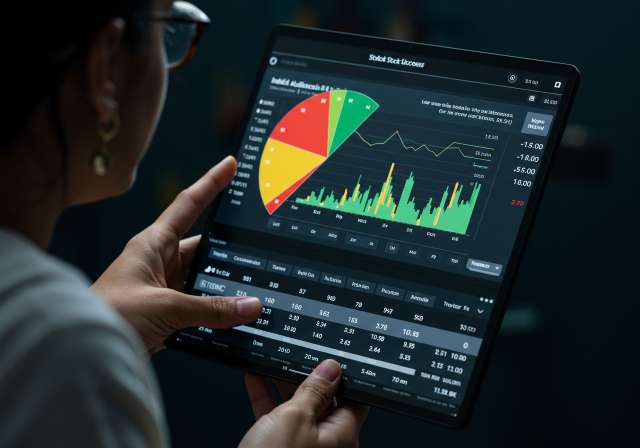
Tag: BSE trading

  • Navigating the Indian Equity Market: A Comprehensive Guide to BSE Trading

    Navigating the Indian Equity Market: A Comprehensive Guide to BSE Trading

    Unlock the world of Indian equities! Learn everything you need to know about navigating the Bombay Stock Exchange, from understanding market timings to masterin

    Unlock the world of Indian equities! Learn everything you need to know about navigating the Bombay Stock Exchange, from understanding market timings to mastering BSE trading strategies. Start your investment journey today.

    Navigating the Indian Equity Market: A Comprehensive Guide to BSE Trading

    Introduction: The Bombay Stock Exchange – India’s Premier Stock Exchange

    The Indian financial landscape is a dynamic and ever-evolving space, offering a plethora of opportunities for investors. At the heart of this vibrant ecosystem lies the Bombay Stock Exchange (BSE), one of Asia’s oldest and most respected stock exchanges. Established in 1875, the BSE has played a pivotal role in shaping the Indian equity market, facilitating wealth creation for generations of investors.

    For anyone looking to participate in the Indian stock market, understanding the intricacies of the BSE is crucial. This comprehensive guide will delve into the essential aspects of BSE trading, providing you with the knowledge and tools needed to navigate this important financial marketplace effectively.

    Understanding the Basics of BSE Trading

    Before diving into specific strategies, let’s cover the foundational elements of trading on the BSE. This will give you a solid understanding of how the exchange operates and the key concepts involved.

    What is the BSE and How Does it Work?

    The BSE is a platform where buyers and sellers come together to trade shares of publicly listed companies. Think of it as a digital marketplace where ownership of companies is bought and sold. Companies list their shares on the BSE to raise capital, and investors buy these shares hoping to profit from their growth.

    The exchange operates through a computerized trading system, ensuring transparency and efficiency. All trades are executed electronically, eliminating the need for physical interaction between buyers and sellers.

    Key Concepts to Know

    • Equities (Shares/Stocks): Represent ownership in a company. When you buy shares, you become a part-owner of that company.
    • Index (Sensex): A benchmark index that reflects the overall performance of the top 30 companies listed on the BSE. It’s a good indicator of market sentiment.
    • Trading Account: An account you need to open with a registered stockbroker to buy and sell shares on the BSE.
    • Demat Account (Dematerialized Account): An account that holds your shares in electronic form, eliminating the need for physical share certificates.
    • SEBI (Securities and Exchange Board of India): The regulatory body that oversees the Indian securities market, ensuring fair practices and investor protection.
    • Initial Public Offering (IPO): The first time a private company offers its shares to the public.
    • Market Capitalization: The total value of a company’s outstanding shares (share price multiplied by the number of shares).
    • Bid Price: The highest price a buyer is willing to pay for a share.
    • Ask Price: The lowest price a seller is willing to accept for a share.

    Getting Started with BSE Trading: A Step-by-Step Guide

    Ready to take your first steps into the world of BSE investing? Here’s a practical guide to help you get started:

    1. Open a Trading and Demat Account

    The first step is to open a trading and Demat account with a SEBI-registered stockbroker. There are numerous brokers in India, ranging from full-service brokers offering research and advisory services to discount brokers who charge lower brokerage fees. Consider factors like brokerage charges, trading platforms, research reports, and customer service when choosing a broker.

    Commonly requested documents for account opening include:

    • Proof of Identity (PAN card, Aadhaar card, Passport, etc.)
    • Proof of Address (Aadhaar card, Voter ID, Utility Bill, etc.)
    • Bank Account Details (Cancelled cheque or bank statement)
    • Passport-sized photographs

    2. Fund Your Trading Account

    Once your account is opened, you’ll need to fund it before you can start trading. You can transfer funds electronically from your bank account to your trading account. Most brokers offer various payment options, including net banking, UPI, and NEFT/RTGS.

    3. Understand Market Timings

    The BSE follows specific trading hours. Typically, the market is open from 9:15 AM to 3:30 PM Indian Standard Time (IST) on weekdays (Monday to Friday). There may be occasional closures due to holidays or unforeseen circumstances. It’s crucial to be aware of the market timings to plan your trades effectively.

    4. Learn to Use the Trading Platform

    Your stockbroker will provide you with access to a trading platform (usually a website or mobile app) where you can place orders to buy and sell shares. Familiarize yourself with the platform’s features, including order types (market orders, limit orders, stop-loss orders), charting tools, and real-time market data.

    5. Start with Small Investments

    When you’re new to the stock market, it’s wise to start with small investments. This allows you to learn the ropes without risking a significant amount of capital. Consider investing in well-established companies with a proven track record.

    Popular Investment Strategies for the BSE

    There are various investment strategies that can be employed when trading on the BSE. The best strategy for you will depend on your risk tolerance, investment goals, and time horizon. Here are a few common approaches:

    1. Long-Term Investing

    This strategy involves buying shares of companies with strong fundamentals and holding them for the long term (typically several years or even decades). The goal is to benefit from the company’s growth and dividend payouts over time. This approach requires patience and a thorough understanding of the companies you invest in.

    Tools like fundamental analysis, which looks at a company’s financial statements, and understanding factors such as price-to-earnings ratio (P/E), debt-to-equity ratio, and return on equity (ROE) are important.

    2. Intraday Trading

    Intraday trading involves buying and selling shares within the same trading day. The goal is to profit from small price fluctuations. This strategy is highly risky and requires a deep understanding of technical analysis, quick decision-making skills, and strict risk management. It is not recommended for beginners.

    3. Swing Trading

    Swing trading involves holding shares for a few days or weeks, aiming to profit from short-term price swings. This strategy requires a moderate level of risk tolerance and a good understanding of market trends and technical indicators.

    4. Investing in Mutual Funds

    For those who prefer a more diversified and professionally managed approach, investing in mutual funds can be a good option. Mutual funds pool money from multiple investors and invest in a diversified portfolio of stocks, bonds, or other assets. This can help reduce risk and provide access to a wider range of investment opportunities.

    There are different types of mutual funds, including equity funds (investing primarily in stocks), debt funds (investing primarily in bonds), and hybrid funds (investing in a mix of stocks and bonds). You can also consider investing through Systematic Investment Plans (SIPs), which allow you to invest a fixed amount regularly (e.g., monthly) to benefit from rupee cost averaging.

    5. Tax Saving Investments – ELSS

    Equity Linked Savings Schemes (ELSS) are a type of equity mutual fund that offers tax benefits under Section 80C of the Income Tax Act. These funds come with a lock-in period of 3 years, making them a relatively short-term investment option for tax saving. ELSS funds invest predominantly in equities, offering the potential for higher returns compared to traditional tax-saving instruments like Public Provident Fund (PPF) or National Pension System (NPS), but also come with higher risk.

    Risk Management in BSE Trading

    Investing in the stock market involves inherent risks, and it’s crucial to have a robust risk management strategy in place. Here are some essential risk management techniques:

    1. Diversification

    Don’t put all your eggs in one basket. Diversify your portfolio by investing in different sectors and companies. This helps reduce the impact of any single investment performing poorly.

    2. Stop-Loss Orders

    Use stop-loss orders to limit your potential losses. A stop-loss order automatically sells your shares if the price falls below a certain level. This helps protect your capital from significant downturns.

    3. Position Sizing

    Don’t invest more than you can afford to lose. Determine the appropriate position size for each trade based on your risk tolerance and account balance.

    4. Stay Informed

    Keep up-to-date with market news and company performance. This will help you make informed investment decisions and react quickly to changing market conditions.

    5. Emotional Discipline

    Avoid making impulsive decisions based on fear or greed. Stick to your investment plan and don’t let emotions cloud your judgment.

    Conclusion: Empowering Your Investment Journey

    The BSE offers a gateway to participate in the growth of the Indian economy and build wealth over time. By understanding the fundamentals of the market, employing sound investment strategies, and practicing effective risk management, you can increase your chances of success in the stock market. Remember to approach investing with a long-term perspective, stay informed, and seek professional advice when needed. The Indian equity market, accessed via exchanges like the BSE, presents significant opportunities for informed and diligent investors.


  • BSE Trading App: Your Gateway to Indian Stock Market

    BSE Trading App: Your Gateway to Indian Stock Market

    Unlock the power of the markets! Explore BSE trading app features, benefits, and how it empowers Indian investors. Trade smarter on the Bombay Stock Exchange to

    Unlock the power of the markets! Explore bse trading app features, benefits, and how it empowers Indian investors. Trade smarter on the Bombay Stock Exchange today.

    BSE Trading App: Your Gateway to Indian Stock Market

    Introduction: Navigating the Indian Equity Landscape

    The Indian stock market, encompassing both the Bombay Stock Exchange (BSE) and the National Stock Exchange (NSE), offers a plethora of investment opportunities. For years, traditional trading methods dominated the scene. However, the rise of technology has ushered in a new era of accessibility and convenience. Central to this transformation are mobile trading applications, empowering investors to participate in the market with unprecedented ease. These apps allow you to buy and sell stocks, track market movements, and manage your portfolio, all from the palm of your hand. The rise of discount brokers and the proliferation of user-friendly trading platforms have dramatically increased retail participation in the equity markets.

    The Bombay Stock Exchange (BSE): A Historical Perspective

    Established in 1875, the BSE holds the distinction of being Asia’s oldest stock exchange. It plays a crucial role in India’s financial ecosystem, facilitating capital formation and providing a platform for companies to raise funds. The BSE is home to thousands of listed companies, ranging from established blue-chip giants to emerging small and medium-sized enterprises (SMEs). Its flagship index, the S&P BSE SENSEX, serves as a barometer of the Indian economy, reflecting the overall performance of the market. The BSE is regulated by the Securities and Exchange Board of India (SEBI), ensuring transparency and investor protection.

    Why Use a Trading App? Convenience and Accessibility

    The primary advantage of using a trading app lies in its sheer convenience. You no longer need to be tethered to a desktop computer to monitor your investments or execute trades. Whether you’re commuting to work, traveling, or simply relaxing at home, you can access the market with a few taps on your smartphone. This flexibility is particularly appealing to younger investors who are accustomed to managing their lives on the go. Furthermore, trading apps often offer real-time market data, personalized alerts, and advanced charting tools, empowering you to make informed investment decisions.

    Key Features to Look for in a BSE Trading App

    When choosing a trading app for investing in the Indian stock market, consider the following features:

    • User-Friendly Interface: The app should be intuitive and easy to navigate, even for beginners. Clear menus, simple order placement procedures, and readily available information are essential.
    • Real-Time Data and Charts: Access to real-time stock prices, market indices, and comprehensive charting tools is crucial for informed decision-making. Look for apps that offer advanced features like technical indicators and drawing tools.
    • Order Placement Options: The app should support various order types, including market orders, limit orders, stop-loss orders, and bracket orders. This allows you to manage your risk effectively and execute trades according to your strategy.
    • Portfolio Tracking: A comprehensive portfolio tracking feature allows you to monitor the performance of your investments, track your gains and losses, and analyze your asset allocation.
    • News and Research: Access to market news, company announcements, and research reports can help you stay informed about market trends and potential investment opportunities.
    • Security: Security is paramount. Ensure the app uses robust encryption and authentication measures to protect your personal and financial information. Look for features like two-factor authentication and biometric login.
    • Customer Support: Reliable customer support is essential in case you encounter any issues or have questions about the app. Look for apps that offer multiple channels of support, such as phone, email, and chat.
    • Fund Management: Easy and secure fund transfer options are vital. The app should allow you to seamlessly add funds to your trading account and withdraw them when needed.
    • Educational Resources: Many trading apps offer educational resources, such as tutorials, articles, and webinars, to help you improve your understanding of the stock market and investment strategies.

    Understanding Investment Options Available Through a Trading App

    A well-designed trading app opens doors to diverse investment avenues, including:

    • Equity Shares: Buying and selling shares of publicly listed companies on the BSE.
    • Mutual Funds: Investing in diversified portfolios managed by professional fund managers. You can choose from a wide range of mutual fund schemes, including equity funds, debt funds, and hybrid funds. You can also invest via Systematic Investment Plans (SIPs).
    • Exchange Traded Funds (ETFs): These are similar to mutual funds but trade like stocks on the exchange.
    • Initial Public Offerings (IPOs): Applying for shares in companies that are going public for the first time.
    • Derivatives (Futures and Options): Trading in derivatives requires a deep understanding of risk management.

    Investing in Mutual Funds Through Trading Apps: SIPs and More

    Many trading apps offer a seamless way to invest in mutual funds. You can choose from a wide range of schemes offered by different Asset Management Companies (AMCs). One of the most popular ways to invest in mutual funds is through Systematic Investment Plans (SIPs). A SIP allows you to invest a fixed amount of money at regular intervals (e.g., monthly) in a chosen mutual fund scheme. This approach helps you to average out your investment cost and benefit from the power of compounding. Another popular way is through ELSS (Equity Linked Savings Scheme) which offers tax benefits under Section 80C of the Income Tax Act.

    Navigating the Regulatory Landscape: SEBI’s Role

    The Securities and Exchange Board of India (SEBI) plays a crucial role in regulating the Indian stock market and protecting the interests of investors. SEBI sets guidelines and regulations for stock exchanges, brokers, and other market participants. It also monitors market activity to prevent fraud and manipulation. When choosing a trading app, ensure that the broker offering the app is registered with SEBI and complies with all applicable regulations.

    Beyond Equity: Exploring Other Investment Avenues

    While equity shares form the core of many investment portfolios, trading apps also facilitate investments in other asset classes:

    • Sovereign Gold Bonds (SGBs): These are government-backed bonds that offer a safe and convenient way to invest in gold.
    • Treasury Bills (T-Bills): Short-term debt instruments issued by the government.
    • Corporate Bonds: Debt instruments issued by companies to raise capital.
    • Public Provident Fund (PPF): A long-term savings scheme offered by the government that provides tax benefits.
    • National Pension System (NPS): A retirement savings scheme that allows you to invest in a mix of equity, debt, and other assets.

    Risk Management: A Crucial Aspect of Trading

    Investing in the stock market involves inherent risks. It is essential to understand these risks and implement effective risk management strategies. Some key risk management techniques include:

    • Diversification: Spreading your investments across different asset classes and sectors to reduce your overall risk.
    • Stop-Loss Orders: Setting stop-loss orders to limit your potential losses on a particular trade.
    • Position Sizing: Determining the appropriate size of your trades based on your risk tolerance and account size.
    • Staying Informed: Keeping up-to-date with market news and economic developments that could impact your investments.

    Choosing the Right Broker and BSE Trading App

    Selecting the right broker and trading app is a critical step in your investment journey. Consider the following factors when making your decision:

    • Brokerage Fees: Compare the brokerage fees charged by different brokers. Some brokers offer commission-free trading, while others charge a fixed fee per trade.
    • Account Opening Charges: Check the account opening charges and any other fees associated with maintaining your account.
    • Trading Platform Features: Evaluate the features and functionality of the trading platform. Look for a platform that is user-friendly, reliable, and offers the tools and resources you need to succeed.
    • Customer Support: Assess the quality of customer support offered by the broker. Ensure that you can easily reach them if you have any questions or problems.
    • Broker’s Reputation: Research the broker’s reputation and track record. Look for reviews and ratings from other investors.

    Tips for Successful Trading with a BSE Trading App

    Here are some tips to help you trade successfully using a BSE trading app:

    • Start Small: Begin with a small amount of capital and gradually increase your investments as you gain experience.
    • Do Your Research: Thoroughly research companies before investing in their shares. Analyze their financial statements, understand their business model, and assess their growth potential.
    • Set Realistic Goals: Don’t expect to get rich overnight. Investing is a long-term game. Set realistic goals and be patient.
    • Control Your Emotions: Avoid making impulsive decisions based on fear or greed. Stick to your investment strategy and don’t let your emotions cloud your judgment.
    • Review Your Portfolio Regularly: Monitor your portfolio performance regularly and make adjustments as needed. Rebalance your portfolio to maintain your desired asset allocation.
    • Stay Updated: Keep yourself informed about market news, economic developments, and company announcements.

    The Future of Trading Apps in India

    The future of trading apps in India looks promising. As technology continues to evolve and more people gain access to smartphones and the internet, the popularity of trading apps is expected to grow even further. We can expect to see more innovative features and functionalities being added to these apps, making them even more user-friendly and powerful. Artificial intelligence (AI) and machine learning (ML) are likely to play an increasingly important role in trading apps, providing personalized insights and recommendations to investors. The regulatory environment is also expected to become more sophisticated, ensuring greater investor protection and market integrity. With a growing number of Indians embracing the stock market, trading apps are poised to become an indispensable tool for investors of all levels of experience.

    Conclusion: Empowering Investors in the Digital Age

    Trading apps have revolutionized the way Indians invest in the stock market. They have made investing more accessible, convenient, and affordable. By providing real-time market data, advanced charting tools, and seamless order placement capabilities, these apps empower investors to make informed decisions and manage their portfolios effectively. However, it’s crucial to remember that investing in the stock market involves risks. By understanding these risks, implementing effective risk management strategies, and choosing the right broker and trading app, you can increase your chances of success and achieve your financial goals.

  • Unlocking Opportunities: A Comprehensive Guide to BSE Trading

    Unlocking Opportunities: A Comprehensive Guide to BSE Trading

    Demystifying BSE trading: Learn how to navigate the Bombay Stock Exchange, India’s oldest stock exchange. Discover key concepts, trading mechanisms, investment

    Demystifying BSE trading: Learn how to navigate the Bombay Stock Exchange, India’s oldest stock exchange. Discover key concepts, trading mechanisms, investment opportunities, and regulatory aspects for informed decisions in the Indian equity market.

    Unlocking Opportunities: A Comprehensive Guide to BSE Trading

    Introduction: Stepping into the World of the Bombay Stock Exchange

    The Indian stock market landscape is dominated by two major players: the National Stock Exchange (NSE) and the Bombay Stock Exchange (BSE). While both serve the same purpose – facilitating the buying and selling of securities – they have distinct histories, characteristics, and strengths. This article delves into the intricacies of BSE trading, offering a comprehensive guide for both novice and experienced investors looking to capitalize on the opportunities this historic exchange provides.

    Before diving into the specifics, it’s crucial to understand the vital role stock exchanges play in the Indian economy. They act as platforms connecting companies seeking capital with investors looking to grow their wealth. By providing a transparent and regulated environment for trading, exchanges promote price discovery and efficient capital allocation. This, in turn, fuels economic growth and empowers individuals to participate in the prosperity of the nation.

    A Brief History: Tracing the Roots of the BSE

    The Bombay Stock Exchange, formerly known as the Native Share & Stock Brokers’ Association, boasts a rich heritage dating back to 1875. This makes it not only the oldest stock exchange in Asia but also a significant landmark in India’s financial history. From its humble beginnings under a banyan tree, the BSE has evolved into a modern, technologically advanced exchange, playing a pivotal role in shaping the Indian capital market.

    Throughout its existence, the BSE has witnessed numerous milestones, including the liberalization of the Indian economy in the 1990s, which spurred significant growth in the stock market. It has also navigated periods of volatility and crisis, demonstrating its resilience and adaptability. Today, the BSE continues to innovate and adapt to the changing needs of the Indian investor.

    Understanding Key Concepts in BSE Trading

    Before you begin BSE trading, it’s essential to grasp some fundamental concepts:

    • Shares/Equities: Represent ownership in a company. Buying shares makes you a part-owner of the company.
    • Indices: Track the performance of a group of stocks, providing a snapshot of the overall market or a specific sector. The BSE’s flagship index is the S&P BSE Sensex, which comprises 30 of the largest and most actively traded stocks on the exchange.
    • IPOs (Initial Public Offerings): The first time a company offers its shares to the public. Investing in IPOs can be risky but also potentially rewarding.
    • Trading Account: An account with a stockbroker that allows you to buy and sell securities on the BSE.
    • Demat Account: An account that holds your shares in electronic form, eliminating the need for physical share certificates.
    • Order Types: Different instructions you can give your broker when placing a trade, such as market orders (executed at the current market price) and limit orders (executed at a specific price).
    • Trading Volume: The number of shares traded during a specific period. High trading volume generally indicates greater liquidity and interest in a particular stock.

    How BSE Trading Works: A Step-by-Step Guide

    Trading on the BSE involves several steps:

    1. Open a Trading and Demat Account: Choose a reputable stockbroker registered with SEBI (Securities and Exchange Board of India). Compare brokerage fees, services, and trading platforms before making a decision.
    2. Complete KYC (Know Your Customer) Procedures: This involves providing necessary documents, such as your PAN card, Aadhar card, and bank statements, to comply with regulatory requirements.
    3. Fund Your Trading Account: Transfer funds from your bank account to your trading account using online banking or other methods.
    4. Research Stocks: Conduct thorough research before investing in any stock. Analyze company financials, industry trends, and market conditions. You can use resources available on the BSE website, financial news portals, and research reports.
    5. Place Your Order: Use your broker’s trading platform to place an order to buy or sell shares. Specify the stock, quantity, and order type.
    6. Order Execution: If your order matches a counterparty’s order, the trade is executed.
    7. Settlement: The exchange clears and settles the trade, transferring the shares to your demat account and the funds to your trading account.

    Investment Options on the BSE

    The BSE offers a wide range of investment options to suit different risk appetites and investment goals:

    • Equity Shares: Investing directly in company shares offers the potential for high returns but also carries higher risk.
    • Mutual Funds: Pooling money with other investors and investing in a diversified portfolio of stocks, bonds, or other assets. Mutual funds are managed by professional fund managers and can be a good option for beginners. Consider investing through SIPs (Systematic Investment Plans) for rupee-cost averaging and disciplined investing.
    • ETFs (Exchange Traded Funds): Similar to mutual funds but traded on the exchange like stocks. They offer diversification at a lower cost.
    • Derivatives: Contracts whose value is derived from an underlying asset, such as stocks or indices. Derivatives are complex instruments and are generally suitable for experienced traders.
    • SMEs (Small and Medium Enterprises): The BSE SME platform provides a platform for smaller companies to raise capital. Investing in SMEs can offer high growth potential but also comes with significant risk.
    • Sovereign Gold Bonds (SGBs): Government securities denominated in gold, offering a safe and convenient way to invest in gold.
    • Corporate Bonds: Debt instruments issued by companies to raise capital.

    Strategies for Successful BSE Trading

    While there is no guaranteed formula for success in the stock market, following these strategies can improve your chances of achieving your investment goals:

    • Do Your Research: Understand the companies you are investing in. Analyze their financial performance, competitive landscape, and growth prospects.
    • Diversify Your Portfolio: Don’t put all your eggs in one basket. Spread your investments across different stocks, sectors, and asset classes to reduce risk.
    • Invest for the Long Term: The stock market can be volatile in the short term. Focus on long-term growth rather than trying to time the market.
    • Set Realistic Goals: Don’t expect to get rich quick. Set realistic investment goals based on your risk tolerance and time horizon.
    • Manage Your Risk: Use stop-loss orders to limit potential losses. Don’t invest more than you can afford to lose.
    • Stay Informed: Keep up-to-date on market news, economic trends, and company announcements.
    • Consider Professional Advice: If you are unsure about investing, seek advice from a qualified financial advisor.

    Tax Implications of BSE Trading

    Understanding the tax implications of stock market investments is crucial for maximizing your returns. Here are some key points to keep in mind:

    • Short-Term Capital Gains (STCG): Gains from selling shares held for less than 12 months are taxed at a rate of 15% (plus cess).
    • Long-Term Capital Gains (LTCG): Gains from selling shares held for more than 12 months are taxed at a rate of 10% (plus cess) on gains exceeding ₹1 lakh in a financial year.
    • Dividend Income: Dividends received from companies are taxable as per your income tax slab.
    • Securities Transaction Tax (STT): A small tax levied on transactions in the stock market.

    It’s always advisable to consult a tax professional for personalized advice on your specific tax situation.

    The Role of SEBI in Regulating BSE Trading

    SEBI plays a crucial role in regulating the Indian stock market, including the BSE. Its primary objectives are to protect the interests of investors, promote the development of the securities market, and regulate the market to ensure fair and transparent trading practices. SEBI implements various measures to prevent market manipulation, insider trading, and other fraudulent activities. It also sets rules and regulations for brokers, companies, and other market participants to ensure compliance and investor protection.

    SEBI’s oversight helps maintain investor confidence in the Indian stock market and promotes its long-term growth and stability.

    BSE vs. NSE: A Comparative Overview

    While both the BSE and NSE are major stock exchanges in India, there are some key differences between them:

    • History: The BSE is the older exchange, while the NSE was established more recently in 1992.
    • Technology: The NSE was initially known for its advanced technology, but the BSE has significantly upgraded its systems in recent years.
    • Liquidity: The NSE generally has higher trading volumes than the BSE, particularly in derivatives.
    • Listing: While many companies are listed on both exchanges, some companies may choose to list only on one exchange.
    • Indices: The BSE’s flagship index is the S&P BSE Sensex, while the NSE’s flagship index is the Nifty 50.

    Ultimately, the choice of which exchange to trade on depends on individual preferences and investment strategies.

    The Future of BSE Trading: Trends and Innovations

    The BSE is continuously evolving to meet the changing needs of the Indian stock market. Some key trends and innovations shaping the future of BSE trading include:

    • Technological Advancements: The BSE is investing heavily in technology to improve its trading platform, enhance cybersecurity, and provide better services to investors.
    • Increased Retail Participation: The growing number of retail investors participating in the stock market is driving demand for more user-friendly trading platforms and investment products.
    • Expansion of SME Platform: The BSE is focused on expanding its SME platform to provide more opportunities for smaller companies to raise capital.
    • Development of New Products: The BSE is constantly exploring new products and services to cater to the evolving needs of investors.
    • Focus on Investor Education: The BSE is actively involved in investor education initiatives to promote financial literacy and responsible investing.

    Conclusion: Empowering Your Investment Journey with BSE Trading

    The BSE remains a vital component of the Indian financial ecosystem, offering a diverse range of investment opportunities and serving as a crucial platform for capital formation. By understanding the fundamentals of BSE trading, implementing sound investment strategies, and staying informed about market trends, you can potentially unlock significant value and achieve your financial goals. Remember to approach the stock market with a long-term perspective, a disciplined approach, and a commitment to continuous learning.