Unlock daily trading potential! Learn how a demat account for daily trading empowers you. Explore features, benefits, selection, and trading tips. Start your jo
Unlock daily trading potential! Learn how a demat account for daily trading empowers you. Explore features, benefits, selection, and trading tips. Start your journey today!
Demat Account for Daily Trading: A Comprehensive Guide for Indian Investors
Introduction: Navigating the Indian Equity Markets
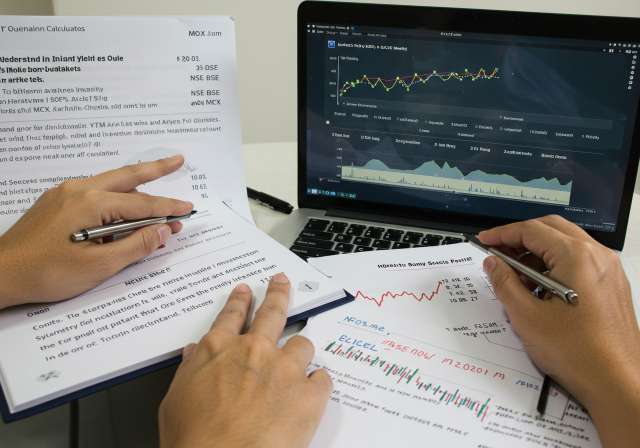
The Indian equity markets, represented by the National Stock Exchange (NSE) and the Bombay Stock Exchange (BSE), offer tremendous opportunities for wealth creation. From seasoned investors to newcomers, everyone is looking to participate in the growth story. Daily trading, also known as intraday trading, is a popular strategy where investors buy and sell securities within the same trading day, aiming to profit from short-term price fluctuations.
However, before diving into the world of daily trading, it’s crucial to understand the fundamental tools and regulations. One of the most important requirements is having a Dematerialized Account, commonly known as a demat account. This article provides a comprehensive guide to understanding and using a demat account for daily trading in the Indian context, keeping in mind regulations set by the Securities and Exchange Board of India (SEBI).
What is a Demat Account?
A demat account is essentially an electronic repository that holds your shares and other securities in a dematerialized (electronic) form. Before the advent of demat accounts, shares were held in physical certificates, which posed several problems like risk of loss, theft, and damage. The introduction of dematerialization by SEBI revolutionized the Indian stock market, making trading more efficient, secure, and accessible.
Think of it as a bank account for your shares. Just like a bank account holds your money, a demat account holds your investments. Every time you buy or sell shares, they are electronically credited or debited from your demat account. This eliminates the need for physical handling of share certificates, significantly reducing paperwork and transaction time.
Why is a Demat Account Essential for Daily Trading?
Daily trading requires swift execution of trades. The delay associated with physical share certificates would make intraday trading virtually impossible. Here’s why a demat account is indispensable for daily trading:
- Speed and Efficiency: Trades are executed electronically in real-time, allowing you to capitalize on fleeting market opportunities.
- Seamless Transactions: Buying and selling shares happens seamlessly through your trading platform, linked to your demat account.
- Reduced Risk: Eliminates the risk of loss, theft, or damage associated with physical share certificates.
- Accessibility: Allows you to trade from anywhere with an internet connection, making daily trading more accessible.
- Regulatory Compliance: SEBI mandates the use of demat accounts for trading in most listed securities.
Opening a Demat Account: A Step-by-Step Guide
Opening a demat account is a straightforward process. You can choose from a variety of Depository Participants (DPs), which are intermediaries between you and the two central depositories in India: National Securities Depository Limited (NSDL) and Central Depository Services (India) Limited (CDSL). Banks, brokerage firms, and financial institutions can act as DPs.
Here’s a step-by-step guide to opening a demat account:
- Choose a Depository Participant (DP): Research and select a DP based on factors like brokerage fees, account maintenance charges, trading platform, customer service, and research resources. Consider whether they offer a 2-in-1 account (demat and trading account together).
- Fill out the Account Opening Form: Obtain the account opening form from the DP, either online or offline. Fill out the form accurately and completely, providing all necessary information.
- Submit KYC Documents: You will need to submit Know Your Customer (KYC) documents, including proof of identity (e.g., PAN card, Aadhaar card, passport) and proof of address (e.g., Aadhaar card, utility bill, bank statement).
- In-Person Verification (IPV): Some DPs may require an in-person verification (IPV) process to verify your identity. This can often be done online via video call.
- Agreement and Terms and Conditions: Carefully read and understand the terms and conditions of the demat account agreement before signing it.
- Account Activation: Once your application is verified and approved, your demat account will be activated, and you will receive your account details.
Choosing the Right Demat Account for Daily Trading
Selecting the right demat account is crucial for a successful daily trading experience. Here are some key factors to consider:
Brokerage Fees and Charges
Brokerage fees are a significant expense for daily traders, who typically execute a large number of trades. Look for DPs that offer competitive brokerage rates, especially for intraday trading. Some DPs offer flat fee brokerage plans, which can be more cost-effective for high-volume traders.
Trading Platform
A user-friendly and reliable trading platform is essential for daily trading. The platform should provide real-time market data, charting tools, order execution capabilities, and other features that can help you make informed trading decisions. Mobile trading apps are also crucial for trading on the go.
Account Maintenance Charges (AMC)
Demat accounts typically attract an annual maintenance charge (AMC). Compare AMC rates across different DPs and choose one that offers a reasonable fee structure. Some DPs offer lifetime free AMC options for certain account types.
Customer Service
Reliable customer service is essential for resolving any issues or queries you may have. Choose a DP that offers responsive and helpful customer support through various channels like phone, email, and live chat.
Margin and Leverage
Many DPs offer margin and leverage facilities to daily traders. Margin allows you to trade with more capital than you actually have, while leverage amplifies your profits (and losses). Understand the risks associated with margin trading before using it.
Using Your Demat Account for Daily Trading: Best Practices
Once you have opened a demat account, you can start using it for daily trading. Here are some best practices to keep in mind:
Link Your Demat and Trading Account
Ensure that your demat account is properly linked to your trading account. This will allow you to seamlessly buy and sell shares and have them credited or debited from your demat account automatically.
Monitor Your Account Regularly
Regularly monitor your demat account to track your holdings, transactions, and account balance. This will help you identify any discrepancies or unauthorized activity.
Secure Your Account
Protect your demat account credentials (username and password) to prevent unauthorized access. Use strong passwords and change them regularly. Be cautious of phishing emails and other online scams.
Understand Trading Regulations
Familiarize yourself with the trading regulations set by SEBI and the exchanges (NSE and BSE). This will help you avoid any compliance issues.
Develop a Trading Strategy
Before you start daily trading, develop a well-defined trading strategy. This should include your entry and exit points, risk management rules, and money management techniques. Avoid trading based on emotions or hunches.
Start Small and Gradually Increase Your Position Size
If you are new to daily trading, start with a small amount of capital and gradually increase your position size as you gain experience and confidence. This will help you minimize your losses in the initial stages.
Use Stop-Loss Orders
Always use stop-loss orders to limit your potential losses on each trade. A stop-loss order automatically sells your shares if the price falls below a certain level.
Diversify Your Trades
Avoid putting all your eggs in one basket. Diversify your trades across different stocks and sectors to reduce your overall risk.
Beyond Daily Trading: Other Uses of Your Demat Account
While this article focuses on using a demat account for daily trading, it’s important to remember that a demat account can be used for a variety of other investment purposes. These include:
- Long-term Investing: Holding shares for the long term to benefit from capital appreciation and dividends.
- Mutual Funds: Investing in mutual funds through a demat account, which offers convenience and transparency. You can invest in both direct plans and regular plans.
- Initial Public Offerings (IPOs): Applying for IPOs and holding the shares in your demat account if allotted.
- Bonds and Debentures: Holding bonds and debentures in dematerialized form.
- Exchange Traded Funds (ETFs): Trading in ETFs, which are baskets of stocks that track a specific index or sector.
- Sovereign Gold Bonds (SGBs): Investing in SGBs, which are government-backed gold bonds held in demat form.
Tax Implications of Daily Trading
Daily trading profits are considered speculative business income and are taxed at your applicable income tax slab rate. It’s essential to maintain accurate records of your trades and expenses for tax purposes. Consider consulting a tax advisor to understand the tax implications of daily trading and plan your taxes accordingly. You can offset speculative business losses only against speculative business gains. Remember that investments in Equity Linked Savings Schemes (ELSS) qualify for tax deductions under Section 80C of the Income Tax Act, but daily trading profits don’t fall under this category.
Demat Account and Other Investment Options: PPF and NPS
While a demat account primarily facilitates trading in equity markets, Indian investors also have access to other important investment vehicles like Public Provident Fund (PPF) and National Pension System (NPS). PPF is a long-term, government-backed savings scheme offering tax benefits. NPS is a retirement savings scheme regulated by the Pension Fund Regulatory and Development Authority (PFRDA). Though these investments aren’t directly linked to your demat account activities, they form a crucial part of a well-rounded investment portfolio. While daily trading provides potential for quick gains, PPF and NPS offer long-term financial security.
Conclusion: Empowering Your Trading Journey
A demat account is an essential tool for anyone looking to participate in the Indian equity markets, especially for daily trading. By understanding the features, benefits, and best practices associated with demat accounts, you can navigate the market more effectively and achieve your financial goals. Remember to choose a DP that meets your specific needs, develop a solid trading strategy, and manage your risk effectively. With the right knowledge and tools, you can unlock the potential of daily trading and build a successful investment portfolio.