
Tag: Nifty 50

  • Decoding the Nifty 50: Your Guide to India’s Market Bellwether

    Decoding the Nifty 50: Your Guide to India’s Market Bellwether

    Unlocking Nifty50: Understand its significance, how it’s calculated, investment options like ETFs & index funds, and its role in your portfolio. Navigate the In

    Unlocking nifty50: Understand its significance, how it’s calculated, investment options like ETFs & index funds, and its role in your portfolio. Navigate the Indian market with confidence!

    Decoding the Nifty 50: Your Guide to India’s Market Bellwether

    Introduction: The Pulse of the Indian Equity Market

    For Indian investors, navigating the equity markets can feel like traversing a vast ocean. Amidst the waves of volatility and the currents of economic news, there are lighthouses that help guide investment decisions. One of the most prominent and reliable of these is the Nifty 50. This index, managed by NSE Indices, serves as a benchmark for the Indian stock market, reflecting the performance of the 50 largest and most liquid companies listed on the National Stock Exchange (NSE). Understanding the Nifty 50 is crucial for anyone looking to invest in the Indian equity market, whether you’re a seasoned investor or just starting your financial journey.

    Think of it as a barometer for the Indian economy. Its movements often reflect broader economic trends and investor sentiment. A rising Nifty 50 generally indicates a positive outlook, while a declining one can signal concerns about economic growth or corporate performance.

    What is the Nifty 50?

    The Nifty 50 represents the weighted average of the free-float market capitalization of 50 of the largest and most liquid Indian companies listed on the NSE. It’s a crucial indicator of how well the overall Indian stock market is performing. It’s not just a random selection of companies; the constituents are carefully chosen based on factors like market capitalization, trading volume, and free-float market capitalization.

    Key Characteristics:

    • Representation: It captures approximately 65% of the NSE’s free-float market capitalization, making it a comprehensive representation of the Indian equity market.
    • Liquidity: The constituent companies are highly liquid, meaning their shares can be bought and sold easily without significantly impacting their prices.
    • Diversification: While it consists of only 50 companies, they span across various sectors of the Indian economy, providing a degree of diversification.
    • Benchmark: It serves as a benchmark for fund managers and is used as a basis for various financial instruments like index funds, ETFs, and derivatives.

    How is the Nifty 50 Calculated?

    The Nifty 50’s value is calculated using the free-float market capitalization weighted method. This means that the weight of each company in the index is determined by its free-float market capitalization, which is the market capitalization adjusted for the proportion of shares readily available for trading in the market. Shares held by promoters, governments, and other strategic investors are typically excluded from the free-float calculation.

    The formula for calculating the index value is as follows:

    Index Value = (Current Market Capitalization / Base Market Capitalization) Base Index Value

    Where:

    • Current Market Capitalization is the sum of the free-float market capitalization of all the constituent companies at a given point in time.
    • Base Market Capitalization is the free-float market capitalization of the constituent companies at the base date (November 3, 1995).
    • Base Index Value is the value of the index at the base date, which is 1000.

    The index is reviewed periodically (usually semi-annually) to ensure that it accurately reflects the composition of the Indian stock market. Companies that no longer meet the eligibility criteria are replaced with new ones.

    Investing in the Nifty 50: Options for Indian Investors

    There are several ways for Indian investors to participate in the performance of the Nifty 50. These options offer varying degrees of risk and return, allowing investors to choose the most suitable strategy based on their individual financial goals and risk tolerance. Some popular ways to invest include:

    1. Nifty 50 Index Funds:

    Index funds are mutual funds that aim to replicate the performance of a specific index, in this case, the Nifty 50. These funds invest in the same stocks as the index, in the same proportions, thus providing returns that closely mirror the index’s performance. They are a passive investment option, meaning the fund manager does not actively try to outperform the index. This generally results in lower expense ratios compared to actively managed funds. Several fund houses in India, such as HDFC, ICICI Prudential, and SBI Mutual Fund, offer Nifty 50 index funds.

    Benefits:

    • Low Cost: Lower expense ratios compared to actively managed funds.
    • Diversification: Provides exposure to the 50 largest companies in India.
    • Transparency: Portfolio composition is readily available.
    • Ease of Investment: Can be invested in through SIPs (Systematic Investment Plans) for disciplined investing.

    2. Nifty 50 Exchange Traded Funds (ETFs):

    ETFs are similar to index funds but are traded on the stock exchange like individual stocks. They track the Nifty 50 and offer real-time pricing, allowing investors to buy and sell units throughout the trading day. ETFs generally have lower expense ratios than index funds and can be more tax-efficient. Popular Nifty 50 ETFs in India include those offered by Nippon India, SBI, and ICICI Prudential.

    Benefits:

    • Low Cost: Generally lower expense ratios than index funds.
    • Real-time Pricing: Traded on the stock exchange with real-time pricing.
    • Tax Efficiency: Can be more tax-efficient than index funds.
    • Liquidity: Easily bought and sold on the stock exchange.

    3. Direct Investment in Nifty 50 Stocks:

    Investors can also choose to invest directly in the individual stocks that make up the Nifty 50. This requires more research and active management, as the investor needs to monitor the performance of each company and make adjustments to their portfolio as needed. This approach allows for greater control but also comes with higher risk and requires more time and effort.

    Benefits:

    • Control: Greater control over investment decisions.
    • Potential for Higher Returns: Potential to outperform the index through selective stock picking.

    Considerations:

    • Time and Effort: Requires more time and effort for research and portfolio management.
    • Higher Risk: Greater risk due to concentration in individual stocks.

    4. Derivatives: Futures and Options on Nifty 50

    Experienced investors can also trade in Nifty 50 futures and options. These are derivative instruments that derive their value from the underlying Nifty 50 index. Trading in derivatives involves a higher degree of risk and requires a thorough understanding of options strategies and market dynamics. These are not suitable for beginner investors. SEBI has stringent regulations regarding trading in derivatives, and investors should be aware of the risks involved.

    The Nifty 50 and Your Portfolio: Integration and Considerations

    Integrating the Nifty 50 into your investment portfolio depends on your individual financial goals, risk tolerance, and investment horizon. Here are some key considerations:

    • Risk Tolerance: Investing in the Nifty 50 provides exposure to the equity market, which carries inherent risks. Investors with a lower risk tolerance may consider allocating a smaller portion of their portfolio to Nifty 50-linked investments.
    • Investment Horizon: Equity investments are generally more suitable for long-term goals, as they provide the potential for higher returns over time. The Nifty 50 is best suited for investors with a long-term investment horizon (5 years or more).
    • Diversification: While the Nifty 50 provides some degree of diversification, it’s important to diversify your portfolio further by including other asset classes like debt, gold, and real estate. This can help reduce overall portfolio risk.
    • Financial Goals: Consider your specific financial goals, such as retirement planning, children’s education, or buying a home, and how the Nifty 50 can help you achieve them.
    • Tax Implications: Be aware of the tax implications of investing in the Nifty 50. Gains from equity investments are subject to capital gains tax, which can be either short-term or long-term depending on the holding period. Investments through ELSS (Equity Linked Savings Scheme) funds, which invest predominantly in equities including Nifty 50 stocks, can offer tax benefits under Section 80C of the Income Tax Act.
    • SIP vs. Lumpsum: Decide whether to invest through a SIP (Systematic Investment Plan) or a lumpsum investment. SIPs are a disciplined way to invest regularly, regardless of market conditions, and can help average out the cost of investment over time. Lumpsum investments are suitable for investors who have a large sum of money available and believe the market is undervalued.

    Beyond the Nifty 50: Exploring Other Investment Options

    While the Nifty 50 is a crucial benchmark, it’s important to remember that it’s just one piece of the investment puzzle. Indian investors have a wide range of other investment options available, including:

    • Small-Cap and Mid-Cap Funds: These funds invest in smaller and medium-sized companies, which have the potential for higher growth but also come with higher risk.
    • Sector Funds: These funds invest in specific sectors of the economy, such as technology, healthcare, or banking. They can offer higher returns if the sector performs well but are also more volatile.
    • Debt Funds: These funds invest in fixed-income securities like government bonds and corporate bonds. They offer lower returns than equity funds but are also less risky.
    • PPF (Public Provident Fund): A government-backed savings scheme that offers tax benefits and guaranteed returns.
    • NPS (National Pension System): A retirement savings scheme that allows investors to build a corpus for their retirement years.
    • Gold: A traditional investment that is considered a safe haven during times of economic uncertainty.
    • Real Estate: An investment in physical property that can provide rental income and capital appreciation.

    Conclusion: Navigating the Indian Market with the Nifty 50

    The Nifty 50 is a vital tool for understanding and participating in the Indian equity market. By understanding its composition, calculation, and investment options, Indian investors can make informed decisions and build a well-diversified portfolio that aligns with their financial goals and risk tolerance. Remember to consult with a financial advisor before making any investment decisions.

  • Decoding the Indian Stock Market: A Guide to the NSE

    Decoding the Indian Stock Market: A Guide to the NSE

    Navigate the Indian stock market with confidence! This comprehensive guide unravels the complexities of the National Stock Exchange, empowering you to make info

    Navigate the Indian stock market with confidence! This comprehensive guide unravels the complexities of the National Stock Exchange, empowering you to make informed investment decisions in the Indian equity markets. Learn about indices, trading, regulations, and more.

    Decoding the Indian Stock Market: A Guide to the nse

    Understanding the Indian Stock Market Ecosystem

    The Indian financial market is a vibrant and complex ecosystem, crucial for channeling savings into productive investments and driving economic growth. At its heart lie the stock exchanges, where companies raise capital and investors participate in wealth creation. Two prominent players dominate this landscape: the Bombay Stock Exchange (BSE) and the National Stock Exchange (NSE). Both exchanges provide platforms for trading in equities, derivatives, and other financial instruments.

    The Role of Stock Exchanges

    Stock exchanges serve several critical functions:

    • Price Discovery: They facilitate the interaction of buyers and sellers, leading to transparent price discovery based on supply and demand.
    • Liquidity: Exchanges provide a platform for investors to easily buy and sell securities, ensuring liquidity in the market.
    • Capital Formation: Companies can raise capital by issuing shares on the exchange, fueling their growth and expansion.
    • Investor Protection: Exchanges, regulated by the Securities and Exchange Board of India (SEBI), implement rules and regulations to protect investor interests.

    SEBI’s Regulatory Oversight

    The Securities and Exchange Board of India (SEBI) is the regulatory body responsible for overseeing the Indian financial market. SEBI’s primary objectives include protecting the interests of investors, promoting the development of the securities market, and regulating its functioning. SEBI enforces regulations related to insider trading, fraudulent activities, and corporate governance, ensuring a fair and transparent market for all participants.

    A Deep Dive into the NSE

    The National Stock Exchange (NSE) has played a pivotal role in transforming the Indian stock market. Established in 1992, it introduced screen-based trading, dematerialization of shares, and a professional management structure, revolutionizing the way stocks are traded in India.

    Key Features of the NSE

    • Screen-Based Trading: NSE pioneered screen-based trading, replacing the traditional open outcry system. This improved efficiency, transparency, and accessibility for investors across the country.
    • Dematerialization: The introduction of dematerialization, where shares are held electronically, eliminated the risks associated with physical share certificates and streamlined the trading process.
    • Derivatives Trading: NSE was the first exchange in India to introduce derivatives trading, providing investors with tools for hedging and speculation.

    Major Indices on the NSE

    Indices are vital benchmarks for measuring the performance of the overall market or specific sectors. The flagship index of the NSE is the NIFTY 50, which represents the top 50 companies by market capitalization. Other important indices include:

    • NIFTY Bank: Tracks the performance of banks listed on the NSE.
    • NIFTY IT: Tracks the performance of IT companies listed on the NSE.
    • NIFTY Auto: Tracks the performance of automobile companies listed on the NSE.
    • NIFTY Midcap 50: Represents the top 50 mid-cap companies.

    Trading on the NSE

    Trading on the involves buying and selling securities through registered brokers. Investors can place orders online or through their brokers. Understanding different order types is crucial for effective trading.

    Types of Orders

    • Market Order: An order to buy or sell a security at the best available price in the market.
    • Limit Order: An order to buy or sell a security at a specific price or better.
    • Stop-Loss Order: An order to sell a security when it reaches a certain price, limiting potential losses.

    Trading Hours

    The NSE typically operates from 9:15 AM to 3:30 PM, Monday to Friday. Pre-open and post-close sessions are also available for specific activities.

    Investing Through Mutual Funds and SIPs

    For many investors, especially beginners, investing directly in the stock market can seem daunting. Mutual funds offer a convenient and diversified way to participate in the equity markets. A Systematic Investment Plan (SIP) allows investors to invest a fixed amount regularly, benefiting from rupee cost averaging.

    Mutual Funds: A Diversified Approach

    Mutual funds pool money from multiple investors to invest in a diversified portfolio of stocks, bonds, or other assets. Professional fund managers manage these funds, making investment decisions on behalf of investors.

    Types of Mutual Funds

    • Equity Funds: Primarily invest in stocks and are suitable for long-term investors seeking higher returns.
    • Debt Funds: Primarily invest in bonds and other fixed-income securities, offering relatively lower risk and stable returns.
    • Hybrid Funds: Invest in a mix of stocks and bonds, providing a balance between risk and return.

    SIPs: Investing Regularly for Long-Term Growth

    A Systematic Investment Plan (SIP) is a method of investing a fixed amount in a mutual fund scheme at regular intervals. SIPs allow investors to benefit from rupee cost averaging, where they buy more units when prices are low and fewer units when prices are high, potentially leading to higher returns over the long term.

    Tax-Saving Investment Options: ELSS, PPF, and NPS

    The Indian government offers various tax-saving investment options under Section 80C of the Income Tax Act. Equity Linked Savings Schemes (ELSS), Public Provident Fund (PPF), and National Pension System (NPS) are popular choices.

    Equity Linked Savings Schemes (ELSS)

    ELSS are equity mutual funds that offer tax benefits under Section 80C. They have a lock-in period of three years, the shortest among tax-saving investment options. ELSS are suitable for investors seeking high growth potential and tax benefits.

    Public Provident Fund (PPF)

    PPF is a long-term savings scheme backed by the government. It offers a fixed interest rate and tax benefits under Section 80C. PPF has a lock-in period of 15 years, but partial withdrawals are allowed after a certain period.

    National Pension System (NPS)

    NPS is a retirement savings scheme that allows individuals to contribute regularly during their working years and withdraw a portion of the accumulated corpus upon retirement. NPS offers tax benefits under Section 80C and an additional deduction under Section 80CCD(1B).

    Risk Management in the Stock Market

    Investing in the stock market involves risk. It is crucial to understand and manage these risks effectively. Diversification, asset allocation, and stop-loss orders are important risk management tools.

    Diversification

    Diversifying your portfolio across different asset classes, sectors, and companies can reduce the impact of any single investment on your overall returns. Don’t put all your eggs in one basket.

    Asset Allocation

    Asset allocation involves dividing your investment portfolio among different asset classes based on your risk tolerance and investment goals. A well-defined asset allocation strategy can help you achieve your desired returns while managing risk.

    Stop-Loss Orders

    Using stop-loss orders can help limit potential losses by automatically selling a security when it reaches a certain price. This can protect you from significant market downturns.

    Staying Informed and Seeking Professional Advice

    The stock market is constantly evolving. Staying informed about market trends, company performance, and economic developments is crucial for making informed investment decisions. Regularly reading financial news, following market analysis, and attending webinars can help you stay up-to-date.

    The Importance of Financial Literacy

    Financial literacy is essential for making sound financial decisions. Understanding basic financial concepts, such as inflation, interest rates, and investment returns, can empower you to manage your finances effectively.

    Seeking Professional Advice

    If you are unsure about investment decisions, seeking advice from a qualified financial advisor can be beneficial. A financial advisor can assess your risk tolerance, investment goals, and financial situation to recommend suitable investment strategies.

    Conclusion

    The Indian stock market offers significant opportunities for wealth creation. By understanding the basics of the market, investing through mutual funds or SIPs, and managing risk effectively, investors can participate in the growth story of India. Staying informed, seeking professional advice when needed, and maintaining a long-term perspective are key to successful investing. Remember that all investments carry risk, and past performance is not indicative of future results. Always conduct thorough research and consult with a financial advisor before making any investment decisions.

  • Understanding the Nifty 50: India’s Benchmark Index

    Understanding the Nifty 50: India’s Benchmark Index

    Demystifying the Nifty 50! Learn about India’s benchmark index, its composition, how it’s calculated, and how it impacts your investments. Understand the Nifty5

    Demystifying the Nifty 50! Learn about India’s benchmark index, its composition, how it’s calculated, and how it impacts your investments. Understand the nifty50 today!

    Understanding the Nifty 50: India’s Benchmark Index

    What is the Nifty 50? A Comprehensive Overview

    The Indian stock market is a dynamic and complex environment. Navigating it effectively requires a good understanding of key benchmarks and indicators. One of the most important of these is the Nifty 50, often simply called the Nifty. It serves as a primary barometer for the overall health and performance of the Indian equity market.

    Essentially, the Nifty 50 is a stock market index representing the weighted average of 50 of the largest and most liquid Indian companies listed on the National Stock Exchange (NSE). These companies are chosen based on their free-float market capitalization, which refers to the portion of a company’s outstanding shares that are available for public trading. Because it includes such influential companies, the Nifty 50 provides a strong reflection of market sentiment and economic trends in India.

    The Nifty 50 vs. Sensex: Key Differences

    While the Nifty 50 is the flagship index of the NSE, the Sensex is the benchmark index of the Bombay Stock Exchange (BSE). Although both indices track the performance of the Indian stock market, they differ in several key aspects:

    • Number of Constituents: The Nifty 50 comprises the top 50 companies, whereas the Sensex includes the top 30 companies listed on the BSE.
    • Base Year: The Nifty 50 has a base year of 1995, while the Sensex’s base year is 1978-79.
    • Exchange: The Nifty 50 represents the NSE, while the Sensex represents the BSE.

    Despite these differences, both indices generally move in tandem, providing a similar overall picture of the Indian equity market. Investors often use both indices to gauge market trends and make investment decisions.

    How is the Nifty 50 Calculated?

    The Nifty 50 is calculated using the free-float market capitalization-weighted method. This means that the index value is determined by the market capitalization of the constituent companies, adjusted for the portion of shares available for public trading (free-float). A company with a higher free-float market capitalization will have a greater influence on the index’s movement.

    The formula for calculating the Nifty 50 is as follows:

    Index Value = (Current Market Capitalization / Base Market Capitalization) x Base Index Value

    Where:

    • Current Market Capitalization: The sum of the free-float market capitalization of all constituent companies in the index.
    • Base Market Capitalization: The market capitalization of the index on the base date (November 3, 1995).
    • Base Index Value: The index value on the base date (1000).

    The index is rebalanced periodically to ensure it accurately reflects the market and that the constituent companies continue to meet the eligibility criteria. This rebalancing involves adjusting the weights of the constituent companies based on their free-float market capitalization and may also involve replacing companies that no longer meet the criteria.

    Constituent Sectors and Companies of the Nifty 50

    The Nifty 50 is a diversified index, representing various sectors of the Indian economy. Some of the major sectors included in the Nifty 50 are:

    • Financial Services (Banks, NBFCs)
    • Information Technology (IT)
    • Energy
    • Consumer Goods
    • Automobile
    • Pharmaceuticals

    The specific companies included in the Nifty 50 can change during rebalancing, but typically include some of the largest and most well-known Indian companies like Reliance Industries, HDFC Bank, Infosys, ICICI Bank, TCS, and Larsen & Toubro.

    The composition of the index is reviewed and adjusted periodically by NSE Indices Limited to ensure that it accurately reflects the current market landscape. This ensures that the Nifty 50 remains a relevant and reliable benchmark for the Indian equity market.

    Investing in the Nifty 50: Direct and Indirect Methods

    Investors can participate in the Nifty 50 through various direct and indirect investment options:

    Direct Investment:

    • Index Funds: These are mutual funds that replicate the Nifty 50 index. They invest in the same stocks, in the same proportion as the index. This provides investors with a simple and cost-effective way to track the Nifty 50’s performance.
    • Exchange Traded Funds (ETFs): Nifty 50 ETFs are similar to index funds but are traded on the stock exchange like individual stocks. They offer intraday liquidity and can be bought and sold throughout the trading day.

    Indirect Investment:

    • Actively Managed Funds: Some actively managed mutual funds benchmark their performance against the Nifty 50. While these funds aim to outperform the index, they come with higher expense ratios.
    • Derivatives: Investors can also participate in the Nifty 50 through derivatives such as futures and options. These instruments allow investors to take leveraged positions on the index’s movement but also carry higher risk.

    Investing in the Nifty 50 provides diversification across various sectors and companies, reducing the risk associated with investing in individual stocks. However, like any investment, it’s important to conduct thorough research and consider your risk tolerance and investment goals before investing.

    Benefits of Tracking and Investing in the Nifty 50

    Tracking and investing in the Nifty 50 offers several advantages:

    • Diversification: The index represents a broad range of sectors and companies, providing instant diversification and reducing risk.
    • Benchmarking: The Nifty 50 serves as a benchmark for evaluating the performance of other investments, such as mutual funds and individual stocks.
    • Liquidity: Nifty 50 ETFs and index funds are highly liquid, allowing investors to easily buy and sell their holdings.
    • Transparency: The composition and methodology of the Nifty 50 are transparent, allowing investors to understand how the index is calculated and how it performs.
    • Low Cost: Nifty 50 index funds and ETFs generally have lower expense ratios compared to actively managed funds.

    Nifty 50 and Your Financial Planning

    Understanding the Nifty 50 is crucial for effective financial planning. It serves as a benchmark to gauge the performance of your equity investments. You can use it to assess how well your mutual funds are performing compared to the overall market. If your equity mutual funds consistently underperform the Nifty, you might consider re-evaluating your investment strategy.

    Furthermore, the Nifty 50 can be incorporated into your long-term financial goals. For example, if you are saving for retirement through the National Pension System (NPS) or investing in Equity Linked Savings Schemes (ELSS) for tax benefits, understanding how the Nifty 50 performs can help you make informed decisions about asset allocation. Systematic Investment Plans (SIPs) into Nifty 50 index funds or ETFs are a popular way to build wealth over time, leveraging the power of compounding and rupee-cost averaging.

    Risks Associated with Nifty 50 Investments

    While investing in the Nifty 50 offers diversification, it is not without risks:

    • Market Risk: The Nifty 50 is subject to market fluctuations, and its value can decline during periods of economic downturn or market volatility.
    • Sector Concentration: Although the Nifty 50 is diversified, it may have a higher concentration in certain sectors, such as financial services or information technology. A downturn in these sectors can negatively impact the index’s performance.
    • Company-Specific Risk: Even though the Nifty 50 represents a basket of companies, the performance of individual companies can still affect the index’s overall performance.
    • Tracking Error: Index funds and ETFs may not perfectly replicate the Nifty 50’s performance due to factors such as expense ratios, transaction costs, and cash drag.

    The Role of SEBI

    The Securities and Exchange Board of India (SEBI) plays a vital role in regulating the Indian stock market and ensuring investor protection. SEBI oversees the functioning of the NSE and BSE, as well as mutual funds and other market participants. SEBI’s regulations help to maintain the integrity of the market and protect investors from fraud and unfair practices. When considering Nifty 50 investments, it’s crucial to choose SEBI-registered mutual funds and investment advisors to ensure that you are dealing with reputable and regulated entities.

    Conclusion: Nifty 50 as a Tool for Informed Investing

    The Nifty 50 is a crucial benchmark for understanding the Indian stock market. By understanding its composition, calculation, and the various ways to invest in it, investors can make more informed decisions. While it is not a silver bullet, and carries inherent market risks, utilizing the Nifty 50 as a tool for diversification, benchmarking, and long-term investment strategies can contribute significantly to achieving your financial goals. Remember to consider your individual risk tolerance, investment horizon, and consult with a financial advisor before making any investment decisions. Always conduct thorough research and stay informed about market trends to navigate the Indian equity market effectively. Investing strategically in instruments like Public Provident Fund (PPF) along with market-linked avenues provides a well-rounded approach to wealth creation in INR.

  • Decoding the Indian Stock Market: A Deep Dive into the National Stock Exchange

    Decoding the Indian Stock Market: A Deep Dive into the National Stock Exchange

    Unlock the Indian stock market! Demystify the NSE, understand its role in trading, indices like Nifty 50, investment options, and how to navigate the exchange f

    Unlock the Indian stock market! Demystify the nse, understand its role in trading, indices like Nifty 50, investment options, and how to navigate the exchange for wealth creation.

    Decoding the Indian Stock Market: A Deep Dive into the National Stock Exchange

    Understanding the Significance of the National Stock Exchange

    The Indian financial landscape is a vibrant and dynamic ecosystem, and at its heart lies the stock market. For investors seeking to participate in the growth story of India, understanding the intricacies of the stock exchanges is crucial. Among these exchanges, the National Stock Exchange (NSE) stands as a pillar, facilitating trading in equities, derivatives, and other financial instruments.

    This article aims to provide a comprehensive overview of the NSE, its role in the Indian financial market, and how investors can leverage it to achieve their financial goals. We will delve into the various aspects of the NSE, from its history and structure to its key indices and the different investment options available through it.

    A Brief History and Evolution of the NSE

    Established in 1992, the NSE revolutionized the Indian stock market. Prior to its inception, trading was primarily done through open outcry systems, which were often inefficient and lacked transparency. The NSE introduced a fully automated screen-based trading system, bringing efficiency, transparency, and speed to the market. This technological leap transformed the way stocks were traded in India and attracted a wider range of investors.

    Over the years, the NSE has continued to innovate and evolve, introducing new products and services to cater to the changing needs of the market. It has played a significant role in promoting financial literacy and empowering investors across the country. Its commitment to transparency and investor protection has made it a trusted platform for both domestic and international investors.

    Key Functions and Roles of the NSE

    The NSE performs several vital functions that contribute to the smooth functioning of the Indian financial market. These include:

    • Providing a trading platform: The NSE offers a platform for trading in various securities, including equities, derivatives, debt instruments, and exchange-traded funds (ETFs).
    • Ensuring market integrity: The NSE implements various surveillance mechanisms and risk management measures to maintain market integrity and prevent manipulation.
    • Facilitating price discovery: The exchange facilitates the process of price discovery through the interaction of buyers and sellers, ensuring that prices reflect the true value of the underlying assets.
    • Providing market data: The NSE disseminates real-time market data to investors, brokers, and other stakeholders, enabling them to make informed decisions.
    • Promoting investor education: The NSE actively promotes investor education through various initiatives, helping investors understand the risks and opportunities associated with investing in the stock market.

    Understanding the NSE Indices: Benchmarking the Market

    The NSE hosts several important indices that serve as benchmarks for the Indian stock market. These indices track the performance of a basket of stocks, providing investors with a gauge of overall market sentiment.

    Nifty 50: India’s Leading Index

    The Nifty 50 is the flagship index of the NSE, representing the top 50 companies listed on the exchange. It is a widely recognized indicator of the Indian equity market and is used by investors around the world to track the performance of Indian stocks. The Nifty 50 is a market capitalization-weighted index, meaning that companies with larger market capitalizations have a greater influence on the index’s performance.

    Other Important NSE Indices

    • Nifty Bank: Tracks the performance of the banking sector in India.
    • Nifty IT: Tracks the performance of the information technology sector.
    • Nifty Auto: Tracks the performance of the automobile sector.
    • Nifty FMCG: Tracks the performance of the fast-moving consumer goods sector.
    • Nifty Pharma: Tracks the performance of the pharmaceutical sector.

    Investment Options Available Through the NSE

    The NSE offers a wide range of investment options to cater to different risk appetites and investment goals. These include:

    Equities: Investing in Company Ownership

    Investing in equities involves buying shares of publicly listed companies. When you buy a share, you become a part-owner of the company and are entitled to a portion of its profits (through dividends) and its assets. Equity investments offer the potential for high returns but also carry a higher level of risk.

    Before investing in equities, it is crucial to conduct thorough research on the company, its financial performance, and the industry it operates in. Consider factors such as the company’s revenue growth, profitability, debt levels, and management quality.

    Derivatives: Trading Contracts Based on Underlying Assets

    Derivatives are financial contracts whose value is derived from an underlying asset, such as stocks, commodities, or currencies. The most common types of derivatives traded on the NSE are futures and options.

    Futures are agreements to buy or sell an asset at a predetermined price and date in the future. Options give the buyer the right, but not the obligation, to buy or sell an asset at a specific price on or before a certain date.

    Derivatives trading can be highly leveraged, meaning that a small investment can control a large position. This can amplify both potential gains and potential losses. Therefore, derivatives trading is generally suitable for experienced investors with a high-risk tolerance.

    Exchange-Traded Funds (ETFs): Diversification in a Single Instrument

    ETFs are investment funds that track the performance of a specific index, sector, or commodity. They are similar to mutual funds but are traded on stock exchanges like individual stocks. ETFs offer a convenient way to diversify your portfolio across a basket of assets with a single investment.

    For example, a Nifty 50 ETF tracks the performance of the Nifty 50 index. By investing in this ETF, you gain exposure to the top 50 companies in India without having to buy each stock individually.

    Mutual Funds: Professional Management and Diversification

    Mutual funds are investment vehicles that pool money from multiple investors to invest in a diversified portfolio of stocks, bonds, or other assets. Mutual funds are managed by professional fund managers who make investment decisions on behalf of the investors. They are a popular choice for investors who lack the time or expertise to manage their own investments.

    There are various types of mutual funds available, each with its own investment objective and risk profile. Some popular types of mutual funds include:

    • Equity funds: Invest primarily in stocks.
    • Debt funds: Invest primarily in bonds and other fixed-income securities.
    • Hybrid funds: Invest in a mix of stocks and bonds.
    • ELSS (Equity Linked Savings Scheme) funds: Equity funds that offer tax benefits under Section 80C of the Income Tax Act.

    Investing Through SIPs: Disciplined and Convenient

    Systematic Investment Plans (SIPs) are a popular way to invest in mutual funds. A SIP allows you to invest a fixed amount of money at regular intervals (e.g., monthly or quarterly) in a chosen mutual fund. SIPs offer several benefits, including:

    • Rupee cost averaging: By investing at regular intervals, you buy more units when prices are low and fewer units when prices are high, which helps to average out your purchase cost over time.
    • Disciplined investing: SIPs encourage disciplined saving and investing habits.
    • Convenience: SIPs can be set up automatically, making it easy to invest without having to actively monitor the market.

    Navigating the NSE: Key Considerations for Investors

    Before investing in the stock market through the NSE, it is important to consider the following:

    • Risk tolerance: Assess your risk tolerance and choose investments that align with your comfort level.
    • Investment goals: Define your investment goals and choose investments that are likely to help you achieve those goals.
    • Time horizon: Consider your time horizon and choose investments that are appropriate for your investment timeframe.
    • Due diligence: Conduct thorough research on the companies or funds you are considering investing in.
    • Financial advice: Consider seeking advice from a qualified financial advisor.

    Other Popular Indian Investments

    Apart from investments through NSE, other popular avenues for Indian investors include:

    • Public Provident Fund (PPF): A government-backed savings scheme offering tax benefits and guaranteed returns.
    • National Pension System (NPS): A retirement savings scheme offering tax benefits and market-linked returns.
    • Fixed Deposits (FDs): A secure investment option offering fixed interest rates.
    • Real Estate: Investment in land or property.
    • Gold: A traditional investment option often considered a safe haven asset.

    The Future of the NSE

    The NSE is poised to continue playing a leading role in the Indian financial market. As the Indian economy continues to grow, the NSE is expected to witness increased trading activity and attract more investors. The exchange is also focusing on developing new products and services, such as SME platforms and green bonds, to cater to the evolving needs of the market. With its commitment to innovation, transparency, and investor protection, the NSE is well-positioned to remain a key driver of India’s economic growth.

    Investing in the Indian stock market through the NSE can be a rewarding experience, but it is important to approach it with a well-thought-out strategy and a clear understanding of the risks involved. By following the principles outlined in this article, investors can increase their chances of achieving their financial goals.

  • Decoding the Indian Stock Market: A Comprehensive Guide to the Nifty 50

    Decoding the Indian Stock Market: A Comprehensive Guide to the Nifty 50

    Unlock investment success! Demystifying the Nifty 50: Understand its components, performance, and how it impacts your portfolio. Start your journey to smart inv

    Unlock investment success! Demystifying the nifty 50: Understand its components, performance, and how it impacts your portfolio. Start your journey to smart investing today.

    Decoding the Indian Stock Market: A Comprehensive Guide to the Nifty 50

    Introduction: Your Gateway to Understanding the Indian Equity Market

    The Indian stock market, a vibrant and dynamic arena, can seem daunting to navigate, especially for new investors. Understanding key market indicators is crucial for making informed investment decisions. This guide will delve into one of the most important benchmarks of the Indian equity market – the Nifty 50 – providing you with a comprehensive overview and insights to help you invest smarter.

    Imagine the Indian economy as a sprawling city. The Nifty 50 acts as a reliable map, giving you a snapshot of how the top 50 companies, representing various sectors, are performing. By tracking the Nifty 50, you gain a pulse on the overall health and direction of the Indian stock market. This is essential, whether you are a seasoned investor or just starting with your first Systematic Investment Plan (SIP) in mutual funds.

    What Exactly is the Nifty 50?

    The term refers to the National Stock Exchange (NSE) of India’s flagship index. It represents the weighted average of the top 50 publicly traded companies listed on the NSE. These companies are selected based on free-float market capitalization, representing companies that are easily and frequently tradable. It serves as a benchmark for the Indian equity market, reflecting the overall performance of large-cap companies and various sectors within the Indian economy. As such, it’s a tool used to assess market sentiment and track investment performance.

    Think of it as a curated basket of the 50 largest and most liquid stocks on the NSE. When you hear that the “market is up,” it’s often the Nifty 50’s performance that’s being referenced. The index provides a snapshot of the overall health and direction of the Indian stock market.

    Key Criteria for Inclusion in the Nifty 50

    Being a part of the Nifty 50 is a prestigious position, and the eligibility criteria are stringent. SEBI (Securities and Exchange Board of India) guidelines are followed. Here are the key requirements a company must meet to be considered for inclusion:

    • Market Capitalization: The company must have a large free-float market capitalization, reflecting the value of shares available for trading.
    • Liquidity: The stock must be highly liquid, meaning it’s easy to buy and sell without significantly impacting the price. This ensures that the index accurately reflects market sentiment.
    • Trading Frequency: The stock must be actively traded on the NSE. A minimum trading frequency ensures its relevance as a market indicator.
    • Sector Representation: The index aims to represent a diverse range of sectors within the Indian economy, ensuring a balanced reflection of the market.
    • Track Record: The company should have a demonstrable track record of financial stability and performance.

    These criteria ensure that the Nifty 50 remains a relevant and reliable benchmark, representing the leading companies driving the Indian economy.

    Understanding the Calculation Methodology

    The Nifty 50 is calculated using the free-float market capitalization-weighted method. Here’s a breakdown of what that means:

    • Free-Float Market Capitalization: This is the total value of a company’s outstanding shares that are readily available for trading in the market. Promoter holdings, government stakes, and other locked-in shares are excluded.
    • Weighting: Each company’s weight in the index is determined by its free-float market capitalization relative to the total free-float market capitalization of all 50 companies. This means that larger companies have a greater impact on the index’s movement.

    Therefore, a significant price change in a large-cap stock within the Nifty 50 will have a more pronounced impact on the index’s overall value than a similar change in a smaller company. This weighting methodology ensures that the index accurately reflects the influence of the largest and most liquid stocks in the Indian market.

    Why is the Nifty 50 Important for Investors?

    The Nifty 50 serves as a crucial tool for investors in several ways:

    • Benchmark for Performance: It provides a benchmark against which investors can measure the performance of their own portfolios or individual stocks. If your portfolio is consistently underperforming the Nifty 50, it may be a sign to re-evaluate your investment strategy.
    • Market Sentiment Indicator: The Nifty 50 reflects the overall market sentiment and direction. A rising Nifty 50 generally indicates positive investor confidence, while a declining index may suggest bearish sentiment.
    • Basis for Index Funds and ETFs: Many index funds and Exchange Traded Funds (ETFs) are designed to track the performance of the Nifty 50. These investment vehicles allow investors to passively invest in the top 50 companies in India with ease and at a relatively low cost.
    • Derivatives Trading: The Nifty 50 is also the underlying asset for futures and options contracts, allowing investors to hedge their portfolios or speculate on the future direction of the market.

    In essence, it offers a convenient and widely recognized gauge of the Indian equity market, influencing investment decisions across the board.

    Investing in the Nifty 50: Different Avenues

    There are several ways to gain exposure to the Nifty 50:

    • Nifty 50 Index Funds: These mutual funds aim to replicate the performance of the Nifty 50. They invest in the same 50 companies in the same proportion as the index. Investing in index funds is a cost-effective way to diversify your portfolio and gain exposure to the Indian stock market.
    • Nifty 50 ETFs (Exchange Traded Funds): ETFs are similar to index funds but are traded on the stock exchange like individual stocks. They offer intraday liquidity and flexibility, allowing you to buy or sell units throughout the trading day.
    • Direct Investment in Nifty 50 Stocks: You can also choose to invest directly in the individual stocks that make up the Nifty 50. However, this requires more research and monitoring, as you need to track the performance of each individual company.
    • Derivatives (Futures & Options): Advanced investors can use futures and options contracts based on the Nifty 50 to profit from its price movements. However, derivatives trading is inherently risky and requires a thorough understanding of market dynamics.

    The best investment strategy depends on your individual risk tolerance, investment goals, and time horizon. Consider consulting with a financial advisor to determine the most suitable approach for you.

    Factors Influencing the Nifty 50

    Several factors can influence the performance of the Nifty 50:

    • Economic Growth: India’s overall economic growth rate has a significant impact on the stock market. Strong economic growth typically translates to higher corporate earnings and increased investor confidence.
    • Inflation and Interest Rates: Inflation and interest rate policies of the Reserve Bank of India (RBI) can affect corporate profitability and investor sentiment. Higher interest rates can make borrowing more expensive for companies, potentially dampening growth.
    • Global Market Trends: Global economic events and market trends can also influence the Indian stock market. For instance, a global recession or a significant downturn in major international markets can negatively impact the Nifty 50.
    • Government Policies and Regulations: Government policies related to taxation, infrastructure development, and foreign investment can all affect the stock market.
    • Corporate Earnings: The earnings performance of the companies that make up the Nifty 50 directly impacts the index’s value. Strong earnings growth typically leads to higher stock prices.
    • Geopolitical Events: Global and regional political instability can create uncertainty and volatility in the stock market.

    Staying informed about these factors is crucial for understanding market trends and making informed investment decisions.

    Nifty 50 vs. Sensex: What’s the Difference?

    The Nifty 50 and the Sensex are the two most important benchmark indices in India. While they both represent the overall performance of the Indian stock market, there are some key differences:

    • Exchange: The Nifty 50 is the flagship index of the National Stock Exchange (NSE), while the Sensex is the index of the Bombay Stock Exchange (BSE).
    • Number of Companies: The Nifty 50 includes the top 50 companies, while the Sensex includes the top 30 companies.
    • Base Year: The base year for the Nifty 50 is November 3, 1995, while the base year for the Sensex is 1978-79.
    • Sector Representation: While both indices aim for broad sector representation, the specific sectors and their weights may differ slightly.

    Despite these differences, both indices generally move in the same direction and provide a similar representation of the Indian stock market. Investors often track both indices to gain a comprehensive understanding of market trends.

    Historical Performance and Trends

    Analyzing the historical performance of the Nifty 50 can provide valuable insights into market trends and potential future returns. While past performance is not indicative of future results, it can offer a context for understanding market volatility and long-term growth potential. You can review historical data on the NSE website or through various financial data providers. Consider looking at rolling returns over various periods (e.g., 1-year, 3-year, 5-year) to get a more comprehensive picture of its performance.

    Remember to consider factors like economic cycles, policy changes, and global events when interpreting historical performance data. You can also see how it has performed compared to other investment options, such as Public Provident Fund (PPF) or National Pension System (NPS), as well as investment products like Equity Linked Savings Schemes (ELSS).

    Risk Management and Investing in the Nifty 50

    Investing in the Nifty 50, whether through index funds, ETFs, or direct stock purchases, carries inherent risks. Here are some key risk management strategies to consider:

    • Diversification: While the Nifty 50 offers exposure to 50 companies, it’s important to diversify your overall investment portfolio across different asset classes, such as debt, gold, and real estate.
    • Asset Allocation: Determine your ideal asset allocation based on your risk tolerance, investment goals, and time horizon. Adjust your portfolio periodically to maintain your desired asset allocation.
    • Regular Monitoring: Keep a close eye on your investments and the overall market conditions. Rebalance your portfolio as needed to stay aligned with your investment strategy.
    • Stop-Loss Orders: Consider using stop-loss orders to limit potential losses on your investments. A stop-loss order automatically sells a stock if it falls below a certain price.
    • Long-Term Perspective: The stock market can be volatile in the short term. Adopt a long-term investment perspective and avoid making impulsive decisions based on short-term market fluctuations.
    • SIP (Systematic Investment Plan): Consider using a SIP to invest in Nifty 50 index funds or ETFs. A SIP allows you to invest a fixed amount regularly, regardless of market conditions, which can help you average out your investment costs over time.

    Remember that all investments involve risk, and there’s no guarantee of returns. Seek professional financial advice to develop a risk management strategy that’s tailored to your individual circumstances.

    Conclusion: Navigating the Indian Equity Market with Confidence

    The Nifty 50 is a powerful tool for understanding and navigating the Indian equity market. By understanding its components, calculation methodology, and the factors that influence its performance, you can make more informed investment decisions. Whether you choose to invest through index funds, ETFs, or direct stock purchases, remember to prioritize risk management and maintain a long-term perspective. The Indian stock market offers significant growth potential, and with the right knowledge and strategy, you can achieve your financial goals.

  • Decoding the Nifty 50: Your Guide to India’s Benchmark Index

    Decoding the Nifty 50: Your Guide to India’s Benchmark Index

    Understanding the Indian stock market? Delve into the Nifty 50: what it is, how it’s calculated, its impact on your investments, and strategies to leverage its

    Decoding the Nifty 50: Your Guide to India’s Benchmark Index

    Understanding the Indian stock market? Delve into the Nifty 50: what it is, how it’s calculated, its impact on your investments, and strategies to leverage its potential.

    For any investor venturing into the Indian equity markets, understanding the key benchmarks is paramount. Just as the S&P 500 is crucial in the US, the NSE’s primary index serves as a barometer for the Indian economy. This article provides a comprehensive guide to understanding its intricacies, calculation, and significance for investors of all levels.

    The Nifty 50 is the flagship index of the National Stock Exchange of India (NSE). It represents the weighted average of the top 50 actively traded, liquid, and financially sound companies listed on the NSE. It’s a dynamic index, meaning the constituent companies can change periodically based on specific criteria outlined by NSE Indices Limited, a subsidiary of NSE. The index is considered a key indicator of the overall health and direction of the Indian stock market and serves as a benchmark for numerous investment products like mutual funds and Exchange Traded Funds (ETFs).

    Understanding the calculation methodology is crucial for grasping the index’s movement. The Nifty 50 uses the free-float market capitalization weighted method. Here’s a simplified breakdown:

    The index is updated in real-time during trading hours, reflecting the dynamic price movements of its constituent stocks. This allows investors to track the performance of the Indian stock market throughout the day.

    The Nifty 50 has a significant impact on various investment avenues available to Indian investors:

    Many mutual funds and ETFs track the Nifty 50. These funds aim to replicate the performance of the index, providing investors with a diversified portfolio of the top 50 companies. Investing in these funds is a convenient way to gain exposure to the broad Indian market without having to individually select and manage 50 different stocks. The Expense Ratio is a key factor to consider when selecting these passively managed investment options.

    Index funds are a specific type of mutual fund designed to mirror the performance of a particular index, like the Nifty 50. These funds hold stocks in the same proportion as the index, aiming to provide returns that closely match the index’s performance. The expense ratio is generally lower than actively managed funds, making them a cost-effective option for investors looking to track the Nifty 50.

    The Nifty 50 also serves as the underlying asset for futures and options contracts. These derivative instruments allow investors to speculate on the future movement of the index or hedge their existing equity portfolios. Trading derivatives requires a thorough understanding of risk management and is generally suitable for experienced investors.

    The Nifty 50 provides a benchmark for evaluating the performance of actively managed equity mutual funds. Investors can compare the returns of their mutual fund investments against the Nifty 50 to assess whether the fund manager is outperforming or underperforming the market. A fund’s ability to consistently outperform the benchmark is often considered a sign of skilled fund management.

    There are several ways to invest in the Nifty 50, each with its own advantages and disadvantages:

    Investing in Nifty 50 index funds or ETFs is a passive investment strategy that aims to replicate the index’s performance. This approach is suitable for investors who prefer a low-cost, diversified investment option without the need for active management. Consider using Systematic Investment Plans (SIPs) to invest in index funds or ETFs regularly, averaging out the cost of investment over time.

    nifty50

    While not directly investing in the index itself, investors can invest in the constituent stocks of the Nifty 50. This requires more research and active management, as investors need to select and monitor individual stocks. However, it offers the potential for higher returns if the investor can identify undervalued or high-growth companies within the index. Thorough due diligence and understanding of individual company financials are essential for this approach.

    Trading Nifty 50 futures and options can offer significant returns, but also carries a high level of risk. These instruments are leveraged, meaning that even small price movements can result in substantial gains or losses. Derivatives trading is generally not recommended for novice investors.

    While the Nifty 50 is the most prominent index, India boasts several other important indices. Understanding the differences is key for a well-rounded investment strategy.

    The BSE Sensex is the flagship index of the Bombay Stock Exchange (BSE). It tracks the performance of the top 30 companies listed on the BSE. While both the Nifty 50 and Sensex reflect the Indian stock market, they differ in the number of constituent companies and the exchanges they represent. Traditionally the Sensex was the go-to index, but the NSE and the Nifty 50 has overtaken it in popularity.

    The Nifty Next 50 represents the next 50 largest companies after the Nifty 50. It serves as a benchmark for mid-cap stocks in India and offers investors exposure to companies with high growth potential. Investing in the Nifty Next 50 can be a way to diversify your portfolio beyond the largest companies.

    The Nifty Bank index tracks the performance of the most liquid and actively traded banking stocks in India. It’s a sector-specific index and provides insights into the health of the Indian banking sector. This index is commonly used for derivatives trading by those specializing in the banking sector.

    The Nifty 50 is constantly evolving to reflect the changing dynamics of the Indian economy. Several factors are likely to influence the index in the future:

    The increasing adoption of technology and the rise of digital businesses are likely to lead to the inclusion of more technology-driven companies in the Nifty 50. Companies involved in e-commerce, fintech, and software development are poised to play a more significant role in the index.

    Government policies and reforms can have a significant impact on the Nifty 50. Policies related to infrastructure development, taxation, and foreign investment can influence the performance of various sectors and, consequently, the index.

    Global economic events, such as changes in interest rates, trade wars, and geopolitical tensions, can also affect the Nifty 50. India is increasingly integrated into the global economy, making the stock market susceptible to external shocks.

    The Nifty 50 is a vital tool for understanding and participating in the Indian equity market. Whether you’re a seasoned investor or just starting, understanding its composition, calculation, and impact on various investment avenues is crucial. By incorporating the Nifty 50 into your investment strategy, you can gain diversified exposure to the Indian economy and potentially achieve your financial goals. Remember to always conduct thorough research, assess your risk tolerance, and seek professional advice before making any investment decisions. In addition to equity investments, consider diversifying your portfolio with other asset classes like debt, gold, and real estate to mitigate risk and enhance returns. Instruments like Public Provident Fund (PPF) and National Pension System (NPS) offer tax benefits and can be valuable additions to your overall investment strategy.

    Introduction: Navigating the Indian Equity Landscape

    What is the Nifty 50?

    Key Features of the Nifty 50:

    • Represents the Indian Economy: It mirrors the diversified sectors of the Indian economy, including financial services, information technology, consumer goods, energy, pharmaceuticals, and automobiles.
    • Market Capitalization Weighted: The weight of each company in the index is determined by its free-float market capitalization. This means companies with a larger market cap have a greater influence on the index’s movement.
    • Benchmark for Investments: It acts as a benchmark for various investment products like index funds and ETFs, allowing investors to gain exposure to the top 50 companies in a single investment.
    • Liquid and Actively Traded: The constituent companies are highly liquid, ensuring easy entry and exit for investors.
    • Regular Review: The index is reviewed periodically (semi-annually) to ensure it accurately reflects the changing dynamics of the Indian market.

    How is the Nifty 50 Calculated?

    1. Free-Float Market Capitalization: This is calculated by multiplying the number of shares available for trading (free-float) by the current market price of the share. Promoter holdings, government holdings, and shares held by strategic investors that are not readily available for trading are excluded from the free-float calculation.
    2. Index Value: The index value is calculated using a divisor. The divisor is a number that is adjusted periodically to account for corporate actions like stock splits, rights issues, and mergers, ensuring that the index reflects only price movements and not changes due to corporate events.
    3. Formula: The Index Value = (Current Market Value / (Base Market Capital x Base Index Value)) x 1000. Where, Current Market Value is the sum of Free Float Market Capitalisation of all stocks in the index at the time of calculation. Base Market Capital is the aggregate Free Float Market Capitalization of all stocks in the index at base date and Base Index Value is the index value at the base date which is taken as 1000.

    The Impact of the Nifty 50 on Your Investments

    Mutual Funds and ETFs

    Index Funds

    Derivatives Trading

    Benchmarking Performance

    Investing in the Nifty 50: Strategies and Considerations

    Index Funds and ETFs: A Passive Approach

    Direct Equity Investment: A Hands-On Approach

    Derivatives Trading: High Risk, High Reward

    Factors to Consider Before Investing:

    • Risk Tolerance: Assess your risk appetite and investment horizon before investing in the Nifty 50. Equity investments are generally considered riskier than fixed-income investments.
    • Investment Goals: Define your investment goals and ensure that investing in the Nifty 50 aligns with your objectives.
    • Expense Ratio: When investing in index funds or ETFs, pay close attention to the expense ratio, which can impact your overall returns.
    • Market Volatility: Be prepared for market volatility, as the Nifty 50 can experience fluctuations due to various economic and political factors.
    • Tax Implications: Understand the tax implications of investing in the Nifty 50, including capital gains tax on profits. Equity Linked Savings Schemes (ELSS) are tax-saving mutual funds that invest predominantly in equity and offer tax benefits under Section 80C of the Income Tax Act.

    The Nifty 50 vs. Other Indian Indices

    BSE Sensex

    Nifty Next 50

    Nifty Bank

    Future Trends and the Nifty 50

    Technological Advancements

    Government Policies

    Global Economic Factors

    Conclusion: The Nifty 50 as a Cornerstone of Your Investment Portfolio

  • Unlocking the Potential of the Indian Stock Market: A Comprehensive Guide

    Unlocking the Potential of the Indian Stock Market: A Comprehensive Guide

    Navigate the Indian stock market with ease! Discover how a user-friendly trading platform can empower your investment decisions, offering real-time Nifty update

    Unlocking the Potential of the Indian Stock Market: A Comprehensive Guide

    Navigate the Indian stock market with ease! Discover how a user-friendly trading platform can empower your investment decisions, offering real-time Nifty updates, portfolio tracking & expert analysis. Start your investment journey today and unlock financial success!

    The Indian stock market, a vibrant landscape teeming with opportunities, can seem daunting to navigate, especially for new investors. Gone are the days of relying solely on traditional brokers and newspapers for market updates. Today, technology has democratized access to financial information and trading platforms, empowering individuals to take control of their investment journey. This shift has paved the way for a new era of informed and accessible investing, driven by innovative solutions designed to simplify the complexities of the stock market. This article aims to provide a comprehensive guide to understanding the Indian stock market and how to leverage modern tools to make informed investment decisions.

    Before diving into the specifics of trading platforms, it’s crucial to understand the key players and components of the Indian stock market:

    Mobile trading platforms have revolutionized the way Indians invest. They offer a convenient and accessible way to monitor market movements, track portfolios, and execute trades from anywhere, at any time. These platforms have lowered the barriers to entry for new investors, making stock market participation more inclusive. They offer a range of features, including:

    With numerous trading platforms available, selecting the right one can be overwhelming. Here are some crucial features to consider:

    A clean and intuitive interface is paramount. The platform should be easy to navigate, even for beginners. Look for platforms with clear charts, customizable dashboards, and readily accessible information.

    Security is non-negotiable. Ensure the platform employs robust security measures, including two-factor authentication, data encryption, and secure login protocols. Check if the platform is compliant with SEBI regulations and has a good track record of protecting user data.

    The platform should offer a comprehensive suite of trading tools and features, including:

    Compare brokerage fees across different platforms. Some platforms offer zero-brokerage accounts for equity delivery trades, while others charge a flat fee per trade. Be aware of other charges, such as account maintenance fees, DP charges, and transaction fees.

    Access to quality research reports and analysis can significantly enhance your investment decisions. Look for platforms that provide independent research, stock recommendations, and market commentary.

    Reliable customer support is essential, especially when you encounter technical issues or have questions about trading. Check the platform’s customer support channels (phone, email, chat) and their responsiveness.

    A well-designed mobile app is crucial for convenient trading on the go. Ensure the app is user-friendly, responsive, and offers all the essential features of the web platform. An efficient mobile app facilitates swift actions based on real-time market fluctuations.

    While equity markets are a popular investment avenue, it’s important to diversify your portfolio across different asset classes. Here are some other investment options available to Indian investors:

    nifty app

    Mutual funds pool money from multiple investors to invest in a diversified portfolio of stocks, bonds, or other assets. They are managed by professional fund managers and offer a convenient way to diversify your investments. Systematic Investment Plans (SIPs) allow you to invest a fixed amount regularly, making it an affordable way to build wealth over time.

    Debt instruments, such as bonds and fixed deposits, offer a fixed rate of return and are generally considered less risky than equities. Public Provident Fund (PPF) is a popular government-backed savings scheme that offers tax benefits and a guaranteed rate of return.

    NPS is a voluntary retirement savings scheme that allows you to invest in a mix of equity, debt, and government securities. It offers tax benefits and is a good option for long-term retirement planning.

    ETFs are similar to mutual funds but are traded on stock exchanges like individual stocks. They track a specific index, sector, or commodity and offer a low-cost way to gain exposure to a diversified portfolio.

    Investing in the stock market involves inherent risks. It’s crucial to understand these risks and implement effective risk management strategies:

    Diversifying your portfolio across different asset classes, sectors, and geographies can help reduce risk. Don’t put all your eggs in one basket.

    Using stop-loss orders can limit your potential losses. A stop-loss order automatically sells a stock when it reaches a certain price level.

    Thoroughly research companies before investing in their stocks. Understand their business model, financial performance, and growth prospects. Relying solely on tips and rumors can be detrimental to your investments.

    The stock market can be volatile in the short term. Investing for the long term allows you to ride out market fluctuations and benefit from the power of compounding.

    Be aware of the tax implications of your investments. Short-term capital gains (STCG) and long-term capital gains (LTCG) are taxed at different rates. Equity Linked Savings Schemes (ELSS) are tax-saving mutual funds that offer tax benefits under Section 80C of the Income Tax Act.

    The Indian stock market presents a wealth of opportunities for investors seeking to grow their wealth. By understanding the market dynamics, selecting the right trading platform, and implementing sound risk management strategies, you can navigate the complexities of the market and achieve your financial goals. Remember to stay informed, diversify your investments, and invest for the long term. This includes keeping an eye on market indicators provided by different trading platforms. Always remember to consult a financial advisor before making any investment decisions. A prudent approach, combined with the right tools, can pave the way for a prosperous financial future.

    Introduction: Embracing the Digital Age of Investing

    Understanding the Indian Stock Market Ecosystem

    • The Securities and Exchange Board of India (SEBI): The regulator of the Indian securities market, SEBI’s primary objective is to protect the interests of investors and ensure the healthy development of the capital market.
    • The National Stock Exchange (NSE) and the Bombay Stock Exchange (BSE): The two primary stock exchanges in India, where companies are listed and shares are traded. The NSE is home to the Nifty 50 index, while the BSE features the Sensex.
    • Brokerage Firms: Intermediaries that facilitate buying and selling of securities on behalf of investors. They can be traditional full-service brokers or discount brokers.
    • Depository Participants (DPs): Entities that hold securities in electronic form (dematerialized form) on behalf of investors. Central Depository Services Limited (CDSL) and National Securities Depository Limited (NSDL) are the two main depositories in India.

    The Rise of Mobile Trading Platforms

    • Real-time Market Data: Access to live stock prices, indices, and other market information.
    • Portfolio Tracking: Monitoring the performance of your investments and tracking gains and losses.
    • Trading Execution: Buying and selling stocks, futures, and options directly through the platform.
    • Research and Analysis: Access to research reports, stock recommendations, and technical analysis tools.
    • Alerts and Notifications: Receiving notifications about price movements, order executions, and other important events.

    Features to Look for in a Trading Platform

    User Interface and Experience

    Security

    Trading Tools and Features

    • Charting tools: Various chart types, technical indicators, and drawing tools for technical analysis.
    • Order types: Market orders, limit orders, stop-loss orders, and other order types to manage risk.
    • Options chain: A comprehensive view of options contracts for informed options trading.
    • Fundamental data: Key financial ratios, company news, and other fundamental data for stock analysis.

    Brokerage Fees and Charges

    Research and Analysis

    Customer Support

    Mobile App Availability and Functionality

    Investment Options Beyond Equity

    Mutual Funds

    Debt Instruments

    National Pension System (NPS)

    Exchange Traded Funds (ETFs)

    Risk Management in the Stock Market

    Diversification

    Stop-Loss Orders

    Research and Due Diligence

    Investing for the Long Term

    Understanding Tax Implications

    Conclusion: Empowering Your Financial Future

  • Decoding the Nifty 50: Your Gateway to Indian Equity Markets

    Decoding the Nifty 50: Your Gateway to Indian Equity Markets

    Unlock the secrets of the Nifty 50! This comprehensive guide explores its significance, composition, how it’s calculated, and how you can leverage it for inform

    Unlock the secrets of the nifty 50! This comprehensive guide explores its significance, composition, how it’s calculated, and how you can leverage it for informed investment decisions. Learn about index funds, ETFs, and more.

    Decoding the Nifty 50: Your Gateway to Indian Equity Markets

    Understanding the Foundation of Indian Stock Market: An Introduction

    The Indian stock market is a dynamic and ever-evolving landscape, and at its heart lies a key indicator that reflects the overall health and performance of the nation’s leading companies. This benchmark is essential for investors, analysts, and policymakers alike, providing a snapshot of the Indian economy and its corporate giants. Let’s delve into this crucial index and understand its intricacies.

    The Indian equity market operates under the watchful eye of the Securities and Exchange Board of India (SEBI), the regulatory body that ensures fair practices and protects investor interests. Two primary stock exchanges dominate the scene: the Bombay Stock Exchange (BSE) and the National Stock Exchange (NSE). The BSE is home to the Sensex, while the NSE boasts its own prominent index, which we will discuss in detail shortly.

    What is the Nifty? A Deeper Dive

    The NSE’s flagship index represents the weighted average of the top 50 companies listed on the exchange. It provides a broad and comprehensive overview of the Indian stock market, making it a vital tool for investors looking to gauge market sentiment and make informed decisions. This widely tracked index serves as a benchmark for portfolio performance and is the underlying asset for numerous investment products, including index funds and exchange-traded funds (ETFs).

    Key Features of the Nifty 50 Index

    • Represents Market Leaders: The index comprises the 50 largest and most liquid companies listed on the NSE, representing diverse sectors of the Indian economy.
    • Free-Float Market Capitalization Weighted: The weight of each company in the index is determined by its free-float market capitalization, which considers the proportion of shares available for public trading.
    • Dynamic Composition: The index composition is reviewed and rebalanced periodically to ensure it accurately reflects the current market dynamics.
    • Benchmark for Investments: The index serves as a benchmark for evaluating the performance of actively managed equity funds and passively managed index funds and ETFs.
    • Underlying for Derivatives: Futures and options contracts are traded on the index, providing investors with opportunities for hedging and speculation.

    How is the Nifty 50 Calculated? A Detailed Explanation

    Understanding the calculation methodology is crucial for interpreting the index’s movements and appreciating its significance. The index value is calculated using the free-float market capitalization weighted method. Here’s a breakdown of the process:

    1. Free-Float Market Capitalization: For each company in the index, the free-float market capitalization is calculated by multiplying the company’s share price by the number of shares available for public trading (excluding shares held by promoters, government entities, and other restricted parties).
    2. Index Divisor: An index divisor is a number that is adjusted periodically to account for corporate actions such as stock splits, bonus issues, rights issues, and changes in the index composition. This ensures that the index value remains continuous and reflects only the underlying market movements.
    3. Index Value Calculation: The index value is calculated by dividing the sum of the free-float market capitalization of all the constituent companies by the index divisor.

    The formula for calculating the index value is:

    Index Value = (Sum of Free-Float Market Capitalization of all Companies) / Index Divisor

    The Significance of the Nifty 50 for Indian Investors

    The index plays a vital role in the Indian investment landscape, offering numerous benefits to investors of all types, from retail investors to institutional players.

    Benefits of Using the Nifty 50

    • Market Gauge: It provides a comprehensive overview of the Indian stock market’s performance, allowing investors to track overall market trends and sentiment.
    • Benchmarking Tool: It serves as a benchmark for evaluating the performance of individual stocks, actively managed equity funds, and passively managed index funds and ETFs.
    • Investment Opportunities: The index provides investors with opportunities to invest in the Indian stock market through index funds, ETFs, and derivative instruments.
    • Diversification: Investing in index funds or ETFs based on the index provides investors with exposure to a diversified portfolio of the top 50 companies in India, reducing concentration risk.
    • Low Cost: Index funds and ETFs typically have lower expense ratios compared to actively managed equity funds, making them a cost-effective investment option.

    Investing in the Nifty 50: Options for Indian Investors

    There are several ways for Indian investors to participate in the growth of the Indian stock market through the index.

    Index Funds

    Index funds are mutual funds that aim to replicate the performance of the index by holding the same stocks in the same proportion as the index. These funds offer a low-cost and convenient way to invest in a diversified portfolio of the top 50 companies in India. Investors can invest in index funds through lump sum investments or systematic investment plans (SIPs).

    Exchange-Traded Funds (ETFs)

    ETFs are similar to index funds but are traded on stock exchanges like individual stocks. ETFs offer intraday liquidity and flexibility, allowing investors to buy and sell units throughout the trading day. Investing in ETFs provides exposure to the index at a low cost and with high transparency.

    Direct Equity Investment

    While more involved, one could also technically analyze and purchase the individual stocks that constitute the index, mirroring its composition in their own portfolio. However, this approach requires significant research, monitoring, and rebalancing to maintain the desired allocation, and might not be suitable for all investors, especially those with limited time or expertise.

    Factors Influencing the Nifty 50

    Numerous factors can influence the movement and performance of the index. Understanding these factors is crucial for investors to make informed decisions.

    • Economic Growth: Overall economic growth in India, measured by GDP growth, influences corporate earnings and investor sentiment.
    • Monetary Policy: Interest rate decisions by the Reserve Bank of India (RBI) impact borrowing costs and investment flows.
    • Global Markets: Global economic conditions and market movements influence the Indian stock market and the index.
    • Corporate Earnings: The earnings performance of the constituent companies impacts the index’s overall performance.
    • Government Policies: Government policies related to taxation, infrastructure, and regulation can impact various sectors and the index.
    • Geopolitical Events: Global geopolitical events and uncertainties can influence investor sentiment and market volatility.
    • Rupee Exchange Rate: Fluctuations in the value of the Indian rupee against other currencies can impact foreign investment flows and the index.

    Tax Implications of Investing in Nifty 50 Based Products

    Understanding the tax implications of your investments is critical for maximizing your returns. Here’s a brief overview of the tax rules applicable to investments in index funds and ETFs based on the index:

    • Capital Gains Tax: When you sell your units of index funds or ETFs, the profits you make are subject to capital gains tax.
    • Short-Term Capital Gains (STCG): If you sell your units within one year of purchase, the gains are considered short-term capital gains and are taxed at 15% (plus applicable cess).
    • Long-Term Capital Gains (LTCG): If you sell your units after one year of purchase, the gains are considered long-term capital gains and are taxed at 10% (plus applicable cess) on gains exceeding ₹1 lakh in a financial year.
    • Dividends: Dividends received from index funds or ETFs are taxable in the hands of the investor at their applicable income tax slab rates.

    Beyond the Nifty 50: Exploring Other Investment Options

    While the index offers a great entry point into the Indian equity market, it’s important to remember that it’s just one piece of the investment puzzle. Consider diversifying your portfolio with other asset classes and investment instruments to manage risk and potentially enhance returns.

    Some popular investment options for Indian investors include:

    • Mutual Funds: Diversified equity, debt, and hybrid mutual funds offer a range of investment strategies and risk profiles.
    • Systematic Investment Plans (SIPs): SIPs allow investors to invest a fixed amount regularly in mutual funds, benefiting from rupee cost averaging.
    • Public Provident Fund (PPF): A long-term savings scheme with tax benefits and a guaranteed return.
    • National Pension System (NPS): A retirement savings scheme with tax benefits and a choice of investment options.
    • Equity Linked Savings Scheme (ELSS): Tax-saving mutual funds with a lock-in period of three years, offering potential for higher returns than traditional tax-saving instruments.
    • Gold: A traditional investment option that can act as a hedge against inflation and economic uncertainty.

    Conclusion: Leveraging the Nifty 50 for Informed Investment Decisions

    The index is a powerful tool for understanding and participating in the Indian stock market. By understanding its composition, calculation, and the factors that influence its performance, investors can make informed decisions and build a well-diversified portfolio. Whether you choose to invest through index funds, ETFs, or other investment options, the index can serve as a valuable benchmark and a gateway to the growth potential of the Indian economy. Remember to consult with a financial advisor to determine the best investment strategy for your individual needs and risk tolerance, and stay informed about market trends and economic developments to make sound investment decisions. Always consider your investment goals, risk appetite, and time horizon before making any investment decisions. The Indian financial landscape offers a diverse array of opportunities, and understanding key indicators like the index is crucial for navigating this exciting space.
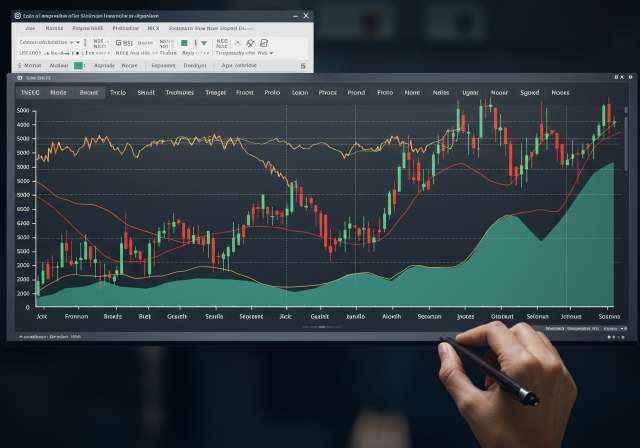
  • Decoding the Nifty 50: Your Guide to India’s Benchmark Index

    Decoding the Nifty 50: Your Guide to India’s Benchmark Index

    Uncover the secrets of the Nifty 50! This comprehensive guide explains its composition, how it’s calculated, its role in Indian markets, and how you can invest.

    Decoding the Nifty 50: Your Guide to India’s Benchmark Index

    The Indian equity market is a dynamic landscape, and navigating it can seem daunting. However, understanding key benchmarks is crucial for both seasoned investors and those just starting their investment journey. One such pivotal benchmark is the Nifty 50. Think of it as a barometer, reflecting the overall health and direction of the Indian stock market. It’s a widely recognized index that tracks the performance of the 50 largest and most liquid companies listed on the National Stock Exchange (NSE). Understanding the Nifty 50 is the first step towards making informed investment decisions.

    The Nifty 50, short for National Stock Exchange Fifty, is a flagship index representing the weighted average of 50 of the largest Indian companies listed on the NSE. Launched on April 21, 1996, it serves as a benchmark for portfolio performance, a basis for index-linked derivatives products, and a gauge for market sentiment. The companies included in the index represent various sectors of the Indian economy, providing a broad representation of the market’s overall health. The performance of the Nifty 50 is often used as a proxy for the overall health of the Indian stock market.

    The Nifty 50 is calculated using the free-float market capitalization weighted method. Let’s break this down:

    The index value is calculated by summing the free-float market capitalization of all 50 companies and dividing it by a divisor. The divisor is a number used to maintain the consistency of the index value over time, adjusting for events like stock splits, rights issues, and changes in the index constituents. The index value is updated in real-time throughout the trading day, reflecting the price movements of the constituent stocks.

    The Nifty 50 plays a significant role in the Indian financial ecosystem and is important for investors for several reasons:

    There are several ways to invest in the Nifty 50, each with its own advantages and disadvantages:

    Index funds are mutual funds that aim to replicate the performance of a specific index, in this case, the Nifty 50. These funds invest in the same stocks as the index, in the same proportion, providing investors with a diversified portfolio of top Indian companies. Index funds typically have low expense ratios, making them a cost-effective option for long-term investors. You can invest in Nifty 50 index funds through a lump sum investment or through Systematic Investment Plans (SIPs). SIPs allow you to invest a fixed amount regularly, benefiting from rupee cost averaging and mitigating the impact of market volatility.

    ETFs are similar to index funds but are traded on the stock exchange like individual stocks. Nifty 50 ETFs track the performance of the index and offer investors the flexibility to buy and sell units throughout the trading day. ETFs also typically have low expense ratios and can be a tax-efficient option compared to actively managed funds. You need a Demat account to invest in ETFs.

    nifty50

    You can also invest in the Nifty 50 by directly buying the individual stocks that make up the index. This requires more research and effort to maintain the desired portfolio allocation. However, it allows you to have more control over your investments and potentially outperform the index if you select stocks wisely. Remember, direct stock investment requires thorough understanding of financial analysis and market dynamics. Diversifying across all 50 stocks can also be capital intensive.

    Investing in Nifty 50 futures and options requires a deep understanding of derivatives and involves higher risk. Futures contracts obligate you to buy or sell the Nifty 50 at a predetermined price on a future date, while options give you the right, but not the obligation, to buy or sell the index at a specific price. These instruments are typically used for hedging or speculation and are not suitable for all investors. SEBI requires proof of income and sometimes specific certifications to trade in derivatives.

    The Nifty 50 is influenced by a multitude of factors, both domestic and global. Understanding these factors can help investors anticipate market movements and make informed decisions:

    The Nifty 50 and the Sensex are the two most prominent stock market indices in India. While both serve as benchmarks for the Indian equity market, there are key differences to consider:

    While there are differences in the composition and methodology, both indices generally move in the same direction and reflect the overall trend of the Indian stock market. Investors often use both indices to gauge market sentiment and make investment decisions. The choice between tracking the Nifty 50 or the Sensex often depends on personal preference and investment strategy. Many investors track both indices to get a comprehensive view of the Indian market.

    The Nifty 50 is an indispensable tool for understanding the Indian equity market. By tracking its performance, investors can gain valuable insights into market trends, benchmark portfolio performance, and make informed investment decisions. Whether you choose to invest directly in the constituent stocks or through index funds and ETFs, understanding the Nifty 50 is crucial for navigating the complexities of the Indian financial landscape. Remember to conduct thorough research, consider your risk tolerance, and consult with a financial advisor before making any investment decisions. Always align your investments with your financial goals and risk appetite. Consider diversifying your portfolio across different asset classes like equity, debt (PPF, Bonds) and gold. For tax saving purposes, consider investment options like ELSS and NPS, in addition to PPF.

    Introduction: Understanding the Pulse of the Indian Equity Market

    What is the Nifty 50 and What Does it Represent?

    Key Features of the Nifty 50:

    • Represents Leading Companies: Includes the 50 largest and most liquid stocks traded on the NSE.
    • Diversified Sector Representation: Covers key sectors of the Indian economy, providing a balanced view.
    • Benchmark Index: Used as a benchmark for portfolio performance and to evaluate fund manager efficiency.
    • Index-Linked Products: Basis for various derivative products like futures and options, offering hedging and trading opportunities.
    • Indicator of Market Sentiment: Reflects the overall mood and direction of the Indian equity market.

    How is the Nifty 50 Calculated?

    • Market Capitalization: This is the total value of a company’s outstanding shares (current share price multiplied by the number of shares outstanding).
    • Free-Float Market Capitalization: This considers only the shares available for trading in the market. Shares held by promoters, government, and locked-in shares are excluded. This provides a more accurate representation of the actual market value available for trading.
    • Weighted Average: Each company’s weight in the index is determined by its free-float market capitalization. Companies with higher free-float market capitalization have a greater impact on the index’s overall performance.

    Why is the Nifty 50 Important for Investors?

    • Benchmarking Portfolio Performance: Investors use the Nifty 50 as a benchmark to compare the performance of their own investment portfolios. If your portfolio is generating returns lower than the Nifty 50, it might indicate underperformance, prompting a review of your investment strategy.
    • Tracking Market Trends: The index provides a snapshot of the overall market trend. A rising Nifty 50 generally indicates a bullish (positive) market sentiment, while a falling Nifty 50 suggests a bearish (negative) sentiment.
    • Foundation for Index Funds and ETFs: Many index funds and Exchange Traded Funds (ETFs) are designed to replicate the performance of the Nifty 50. These funds invest in the same stocks as the index, in the same proportion, providing investors with a convenient way to invest in a diversified portfolio of top Indian companies.
    • Derivatives Trading: The Nifty 50 serves as the underlying asset for futures and options contracts. These derivatives allow investors to hedge their portfolios against market risk or speculate on the future direction of the index.

    Investing in the Nifty 50: Different Avenues

    1. Index Funds:

    2. Exchange Traded Funds (ETFs):

    3. Direct Stock Investment:

    4. Futures and Options:

    Factors Influencing the Nifty 50

    • Economic Growth: India’s GDP growth, inflation rates, and interest rate policies significantly impact corporate earnings and investor sentiment.
    • Corporate Earnings: The financial performance of the companies included in the index directly affects the Nifty 50’s performance. Strong earnings growth generally leads to higher index values.
    • Global Market Trends: Global economic conditions, international trade policies, and geopolitical events can influence foreign investment flows and impact the Indian stock market.
    • Government Policies: Government policies related to taxation, infrastructure development, and regulatory reforms can influence the performance of various sectors and, consequently, the Nifty 50.
    • Foreign Institutional Investor (FII) Flows: The buying and selling activity of FIIs can have a significant impact on the Indian stock market due to their substantial investment volumes.
    • Rupee Exchange Rate: Fluctuations in the value of the Indian rupee against other currencies, particularly the US dollar, can affect the competitiveness of Indian companies and impact investor sentiment.
    • Monsoon: In a country dependent on agriculture, a good or bad monsoon season can have a significant impact on the overall economy and, therefore, on the stock markets as well.

    Nifty 50 vs. Sensex: What’s the Difference?

    • Exchange: The Nifty 50 is the flagship index of the National Stock Exchange (NSE), while the Sensex is the benchmark index of the Bombay Stock Exchange (BSE).
    • Number of Companies: The Nifty 50 tracks the performance of 50 companies, while the Sensex tracks 30 companies.
    • Base Year: The base year for the Nifty 50 is November 3, 1995, while the base year for the Sensex is 1978-79.
    • Methodology: Both indices are calculated using the free-float market capitalization weighted method.

    Conclusion: Navigating the Indian Market with the Nifty 50