Blog

  • Decoding Futures & Options Trading in the Indian Market

    Decoding Futures & Options Trading in the Indian Market

    Demystifying Futures & Options: Learn how these powerful derivative instruments work in the Indian stock market (NSE, BSE). Understand hedging, trading strategi

    Demystifying futures & options: Learn how these powerful derivative instruments work in the Indian stock market (NSE, BSE). Understand hedging, trading strategies, and risks involved in F&O.

    Decoding Futures & Options Trading in the Indian Market

    Introduction: Navigating the Derivatives Landscape

    The Indian stock market, represented by indices like the Nifty 50 and the Sensex, offers diverse investment avenues. Beyond direct equity investments, futures and options, collectively known as derivatives, provide opportunities for both seasoned traders and sophisticated investors. These instruments derive their value from underlying assets and offer avenues for hedging, speculation, and arbitrage. While they present the potential for high returns, they also come with a significant degree of risk. Understanding the nuances of the derivatives market is crucial for anyone looking to participate effectively.

    Understanding Futures Contracts

    What are Futures?

    A futures contract is an agreement to buy or sell an asset at a predetermined price at a specified future date. Think of it as a promise. Both parties, the buyer and the seller, are obligated to fulfill the contract. These assets can range from stocks and commodities to currencies and indices. In the Indian context, you can trade futures on the NSE and BSE covering a variety of underlying assets.

    Key Elements of a Futures Contract

    • Underlying Asset: The asset upon which the futures contract is based (e.g., Nifty 50 index, Reliance Industries stock, gold).
    • Contract Size: The quantity of the underlying asset covered by one futures contract (e.g., a Nifty 50 futures contract might represent 50 units of the Nifty 50 index).
    • Expiry Date: The date on which the contract expires and the delivery or settlement must occur. In India, futures contracts typically expire on the last Thursday of each month.
    • Contract Value: The price of the futures contract multiplied by the contract size.
    • Margin: An initial deposit required to open and maintain a futures position. This acts as a security deposit.

    How Futures Trading Works

    When you buy a futures contract (go long), you are agreeing to buy the underlying asset at the specified price on the expiry date. Conversely, when you sell a futures contract (go short), you are agreeing to sell the underlying asset at the specified price on the expiry date. In most cases, physical delivery of the asset doesn’t occur. Instead, the contracts are usually settled in cash, based on the difference between the agreed-upon price and the market price at expiry.

    For instance, if you buy a Nifty 50 futures contract at ₹18,000 and the Nifty 50 settles at ₹18,200 on the expiry date, you would make a profit of ₹200 per unit of the Nifty 50 (minus brokerage and other charges). Conversely, if the Nifty 50 settles at ₹17,800, you would incur a loss of ₹200 per unit.

    Understanding Options Contracts

    What are Options?

    An option contract gives the buyer the right, but not the obligation, to buy or sell an underlying asset at a predetermined price on or before a specified date. This is the crucial difference between options and futures. Unlike futures, you’re not obligated to fulfil the contract if it’s not in your favor.

    Types of Options

    • Call Option: Gives the buyer the right to buy the underlying asset at the strike price.
    • Put Option: Gives the buyer the right to sell the underlying asset at the strike price.

    Key Elements of an Options Contract

    • Underlying Asset: The asset upon which the options contract is based.
    • Strike Price: The price at which the underlying asset can be bought (call option) or sold (put option).
    • Expiry Date: The date on or before which the option can be exercised.
    • Premium: The price paid by the buyer of the option to the seller (also known as the option writer). This is the cost of buying the “right.”
    • Option Type: European (can only be exercised on the expiry date) or American (can be exercised on or before the expiry date). Most options traded on the NSE and BSE are European style.

    How Options Trading Works

    If you buy a call option and the price of the underlying asset rises above the strike price plus the premium paid, you can exercise the option and make a profit. If the price stays below the strike price plus the premium, you can let the option expire worthless, limiting your loss to the premium paid. Similarly, if you buy a put option and the price of the underlying asset falls below the strike price minus the premium paid, you can exercise the option and make a profit. If the price stays above the strike price minus the premium, you let the option expire worthless.

    Options trading involves various strategies, such as buying calls or puts (for bullish or bearish expectations, respectively), selling calls or puts (for income generation), and creating combinations of options (such as straddles, strangles, and butterflies) to profit from specific market movements or volatility.

    Hedging Strategies with Futures and Options

    One of the primary uses of futures and options is hedging. Hedging involves taking a position in the derivatives market to offset potential losses in an existing portfolio. Here are a couple of examples:

    Hedging with Futures

    Suppose you hold a portfolio of stocks that mirrors the Nifty 50 index. You are concerned about a potential market correction. To hedge your portfolio, you could sell Nifty 50 futures contracts. If the market declines, the losses in your portfolio will be partially offset by the gains in your short futures position. If the market rises, you will lose money on your short futures position, but this will be offset by the gains in your portfolio.

    Hedging with Options

    Imagine you own shares of Reliance Industries. You’re worried about a potential price drop. You could buy a put option on Reliance Industries with a strike price close to the current market price. If the price of Reliance Industries falls below the strike price, the put option will gain value, offsetting some of the losses on your shares. The maximum loss is limited to the premium paid for the put option.

    Speculation and Arbitrage

    Besides hedging, futures & options are also used for speculation and arbitrage. Speculation involves taking positions based on anticipated price movements, while arbitrage involves exploiting price differences between different markets or instruments.

    Speculation

    Traders use futures and options to speculate on the future direction of the market or individual stocks. For example, if a trader believes that the price of Tata Motors will rise, they might buy Tata Motors call options. If the price of Tata Motors does rise, the call option will increase in value, generating a profit for the trader.

    Arbitrage

    Arbitrage involves exploiting price discrepancies between different markets or instruments. For instance, if the price of a Nifty 50 futures contract is significantly different from the current value of the Nifty 50 index, an arbitrageur might buy the cheaper asset and sell the more expensive one, profiting from the difference.

    Risk Management in F&O Trading

    Trading in futures and options involves a high degree of risk. It’s crucial to implement effective risk management strategies to protect your capital. Here are some key considerations:

    • Understand Leverage: Derivatives offer high leverage, which can magnify both profits and losses. Understand the potential impact of leverage on your account.
    • Set Stop-Loss Orders: Stop-loss orders automatically close your position if the price moves against you, limiting your potential losses.
    • Manage Position Size: Avoid risking too much of your capital on any single trade. Consider limiting your risk to a small percentage of your total trading capital.
    • Diversify Your Portfolio: Don’t put all your eggs in one basket. Diversify your investments across different asset classes and sectors.
    • Stay Informed: Keep up-to-date with market news, economic data, and company announcements that could affect your positions.
    • Use Technical Analysis: Learn to interpret charts and technical indicators to identify potential trading opportunities and manage risk.
    • Consider Seeking Professional Advice: If you are new to futures and options trading, consider seeking advice from a qualified financial advisor.

    Regulatory Framework in India

    The Indian derivatives market is regulated by the Securities and Exchange Board of India (SEBI). SEBI sets rules and regulations to ensure fair and transparent trading practices, protect investors, and maintain market integrity. Key regulations include margin requirements, position limits, and disclosure requirements.

    Taxation of F&O Trading in India

    Profits from futures and options trading are generally treated as business income and are taxed according to the applicable income tax slab rates. Losses can be offset against other business income or carried forward to future years, subject to certain rules. It is advisable to consult with a tax professional to understand the specific tax implications of your F&O trading activities.

    The Role of Margin in Futures and Options

    Initial Margin

    To initiate a trade in F&O, you need to deposit an initial margin with your broker. This is a percentage of the total contract value and acts as a security deposit.

    Maintenance Margin

    This is the minimum amount you must maintain in your account. If your account balance falls below this level due to losses, you’ll receive a margin call, requiring you to deposit additional funds to bring your account back up to the initial margin level.

    SPAN Margin

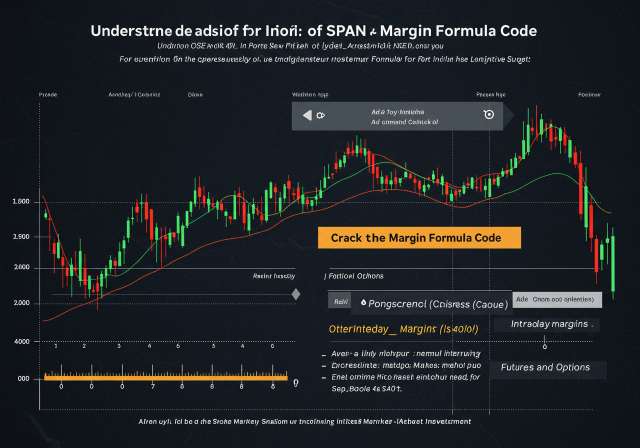
    SPAN (Standard Portfolio Analysis of Risk) is a sophisticated risk-based margining system used by exchanges like the NSE to calculate margin requirements for futures and options positions. It considers various factors, including the underlying asset’s volatility, the contract’s time to expiry, and the correlation between different positions in a portfolio.

    Conclusion: A Powerful Tool with Inherent Risks

    Futures and options are powerful tools that can be used for hedging, speculation, and arbitrage. However, they are also complex instruments with a high degree of risk. Before engaging in F&O trading, it’s essential to have a thorough understanding of the underlying concepts, trading strategies, and risk management techniques. Investors should carefully consider their risk tolerance, financial goals, and investment experience before participating in the derivatives market. While potentially lucrative, remember that disciplined trading and risk awareness are crucial for success in the dynamic world of futures & options.

  • Best Investment Apps in India: A Comprehensive Guide for 2024

    Best Investment Apps in India: A Comprehensive Guide for 2024

    Unlock your financial potential with the best investment apps in India. Compare platforms, understand features, and start building wealth today. Discover the ea

    Unlock your financial potential with the best investment apps in India. Compare platforms, understand features, and start building wealth today. Discover the ease of investing in stocks, mutual funds, IPOs, and more, all from your smartphone. Your journey to financial freedom begins here!

    Best Investment Apps in India: A Comprehensive Guide for 2024

    Introduction: Investing Made Easy with Technology

    The Indian financial landscape has undergone a seismic shift in recent years. No longer confined to traditional brokers and lengthy paperwork, investing is now more accessible than ever, thanks to the proliferation of user-friendly mobile applications. These apps have democratized access to the equity markets, mutual funds, and other asset classes, empowering a new generation of Indian investors to take control of their financial future. Whether you’re a seasoned trader or a complete beginner, understanding the nuances of these platforms is crucial for making informed investment decisions.

    Gone are the days of relying solely on physical forms and branch visits. Today, you can open a Demat account, analyze market trends, execute trades, track your portfolio, and even set up Systematic Investment Plans (SIPs) – all from the convenience of your smartphone. This convenience and accessibility are driving a surge in retail participation in the Indian stock market, particularly among younger demographics.

    Why Use an investment app?

    The benefits of using an investment app are numerous:

    • Convenience: Invest anytime, anywhere. No need to visit a broker or fill out physical forms.
    • Accessibility: Lower brokerage fees and minimum investment amounts make investing more affordable for everyone.
    • Information: Access real-time market data, news, and analysis to make informed decisions.
    • Ease of Use: User-friendly interfaces make investing simple, even for beginners.
    • Portfolio Tracking: Monitor your investments and track your performance in real-time.
    • Automation: Set up SIPs and automate your investments for disciplined wealth creation.

    Key Features to Look for in an Investment App

    With so many options available, choosing the right investment app can feel overwhelming. Here are some key features to consider:

    1. User Interface and Experience

    A clean, intuitive interface is essential for a positive investing experience. The app should be easy to navigate, even for beginners. Look for features like:

    • Clear and concise information display
    • Easy-to-use search and filtering options
    • Customizable dashboards and watchlists
    • Interactive charts and graphs

    2. Investment Options

    Consider the range of investment options offered by the app. Does it cater to your specific investment goals and risk tolerance?

    • Stocks: Access to stocks listed on the NSE and BSE.
    • Mutual Funds: A wide selection of mutual funds, including equity, debt, and hybrid funds. Look for options to filter by category, performance, and expense ratio.
    • IPOs: Ability to apply for Initial Public Offerings (IPOs).
    • Derivatives: Options and futures trading (for experienced investors only).
    • Gold: Digital gold investments.
    • Fixed Income: Bonds and other fixed-income securities.

    3. Brokerage Fees and Charges

    Pay close attention to the brokerage fees and other charges associated with using the app. Compare different platforms to find the most cost-effective option for your investment style.

    • Brokerage fees: Charges per trade (can be a flat fee or a percentage of the trade value).
    • Account maintenance fees: Fees charged for maintaining your Demat and trading account.
    • Transaction fees: Fees charged for specific transactions, such as fund transfers.
    • Hidden charges: Be wary of hidden charges that may not be immediately apparent.

    4. Research and Analysis Tools

    Access to reliable research and analysis tools is crucial for making informed investment decisions. Look for apps that offer:

    • Real-time market data: Up-to-date information on stock prices, indices, and other market indicators.
    • Company financials: Information on company revenue, profits, and other key financial metrics.
    • Analyst ratings: Recommendations from financial analysts.
    • News and articles: Access to relevant financial news and articles.
    • Technical analysis tools: Charts and indicators for technical analysis.

    5. Security and Reliability

    Security is paramount when it comes to your financial data. Choose an app that prioritizes security and employs robust measures to protect your account.

    • Two-factor authentication: An extra layer of security that requires a code from your phone in addition to your password.
    • Encryption: Protection of your data using encryption technology.
    • Regular security audits: Independent audits to ensure the app’s security systems are up to par.
    • SEBI registration: Ensure the app is operated by a SEBI-registered broker.

    6. Customer Support

    Reliable customer support is essential in case you encounter any issues or have questions about the platform. Look for apps that offer:

    • Multiple channels of support: Phone, email, and chat support.
    • Responsive support team: A support team that is quick to respond to your inquiries.
    • Comprehensive FAQ section: Answers to common questions.

    7. Educational Resources

    Especially for beginners, access to educational resources is invaluable. Apps that offer tutorials, articles, and other educational materials can help you learn the basics of investing and make more informed decisions.

    • Tutorials: Step-by-step guides on how to use the app and invest in different asset classes.
    • Articles: Educational articles on investing topics.
    • Webinars: Live online seminars with investment experts.

    Popular Investment Apps in India

    While I can’t provide specific recommendations due to potential biases and the constantly evolving nature of app offerings, here are examples of categories of popular investment apps often discussed in India (remember to conduct thorough research on any app before using it):

    • Discount Brokers: These apps typically offer lower brokerage fees and a streamlined trading experience. They often focus on equities and derivatives trading.
    • Full-Service Brokers: These apps provide a wider range of services, including research, advisory, and personalized investment advice. They often cater to investors with larger portfolios and more complex needs.
    • Mutual Fund Investment Platforms: These apps specialize in mutual fund investments, offering a wide selection of funds and features like SIP automation and expense ratio tracking.
    • Neo-Brokers: Modern brokerage firms offering unique value propositions such as commission-free investing or integrated wealth management services.

    When choosing an application, it’s vital to review customer reviews, compare pricing structures, and ensure the platform aligns with your individual financial goals and risk tolerance. Always prioritize security and choose SEBI-registered intermediaries.

    Investment Options Beyond Equity: Diversifying Your Portfolio

    While equities are a popular investment option, it’s crucial to diversify your portfolio to mitigate risk. Here are some other investment options to consider:

    1. Mutual Funds

    Mutual funds are a popular way to diversify your investments. They pool money from multiple investors to invest in a diversified portfolio of stocks, bonds, or other assets. There are various types of mutual funds to choose from, including:

    • Equity Funds: Invest primarily in stocks.
    • Debt Funds: Invest primarily in bonds.
    • Hybrid Funds: Invest in a mix of stocks and bonds.
    • ELSS Funds (Equity Linked Savings Scheme): Tax-saving equity funds that qualify for deductions under Section 80C of the Income Tax Act.

    2. Public Provident Fund (PPF)

    PPF is a long-term savings scheme offered by the Indian government. It offers a fixed interest rate and is tax-exempt.

    3. National Pension System (NPS)

    NPS is a retirement savings scheme offered by the Indian government. It allows you to invest in a mix of equities, bonds, and other assets. It also offers tax benefits.

    4. Sovereign Gold Bonds (SGBs)

    SGBs are government-issued bonds that are linked to the price of gold. They offer a fixed interest rate and are a good way to invest in gold without having to physically store it.

    Tips for Using Investment Apps Effectively

    Here are some tips to help you use investment apps effectively:

    • Start Small: Begin with a small amount of money to get a feel for the app and the market.
    • Do Your Research: Before investing in any asset, do your research and understand the risks involved.
    • Diversify Your Portfolio: Don’t put all your eggs in one basket. Diversify your investments across different asset classes.
    • Invest for the Long Term: Investing is a long-term game. Don’t expect to get rich overnight.
    • Stay Disciplined: Stick to your investment plan and avoid making impulsive decisions based on market fluctuations. Consider using SIPs for disciplined investing.
    • Regularly Review Your Portfolio: Review your portfolio periodically to ensure it is still aligned with your investment goals.

    Conclusion: Embracing the Future of Investing

    Investment apps have revolutionized the way Indians invest, making it more accessible, convenient, and affordable. By carefully considering your needs and preferences and choosing the right platform, you can leverage the power of technology to achieve your financial goals. Remember to prioritize security, do your research, and invest wisely. The Indian financial market offers numerous opportunities; with the right tools and knowledge, you can navigate it successfully and build a secure financial future. As always, consult a financial advisor for personalized advice tailored to your specific situation.

  • Best Stocks App: Your Guide to Investing in the Indian Market

    Best Stocks App: Your Guide to Investing in the Indian Market

    Unlock India’s stock market with the best stocks app! Compare features, brokerage charges, and user experience to find the perfect trading platform for your inv

    Unlock India’s stock market with the best stocks app! Compare features, brokerage charges, and user experience to find the perfect trading platform for your investment journey. Start investing in NSE/BSE stocks, mutual funds, and more today!

    Best Stocks App: Your Guide to Investing in the Indian Market

    Introduction: Navigating the Indian Stock Market in Your Pocket

    The Indian stock market, with its vibrant ecosystem of companies listed on the National Stock Exchange (NSE) and the Bombay Stock Exchange (BSE), offers immense potential for wealth creation. However, navigating this market can seem daunting, especially for new investors. Thankfully, technology has simplified the process, bringing the power of trading and investing directly to your fingertips. The rise of sophisticated mobile applications has transformed the way Indians participate in the equity markets, offering a user-friendly interface to buy and sell stocks, track investments, and stay informed about market trends.

    Why Use a Stocks App for Investing in India?

    Investing through a stocks app offers numerous advantages compared to traditional methods. These advantages are especially relevant in today’s fast-paced digital world:

    • Convenience: Trade and manage your portfolio from anywhere, anytime. No need to visit a broker’s office or make phone calls.
    • Accessibility: Many apps offer fractional shares, allowing you to invest even with limited capital. This opens up opportunities to buy shares of companies with high stock prices.
    • Real-time Data: Access live market data, charts, and analysis to make informed investment decisions. Stay updated on stock prices, news, and announcements as they happen.
    • Lower Brokerage Fees: Many apps offer competitive brokerage plans, including zero brokerage options for certain trades. This can significantly reduce your trading costs, especially for frequent traders.
    • Educational Resources: Learn about investing through tutorials, articles, and market insights provided within the app. Many apps cater to beginners and offer resources to help you understand the basics of the stock market.
    • Portfolio Tracking: Monitor your investment performance and track your portfolio’s growth over time. Get detailed reports on your holdings, returns, and asset allocation.

    Key Features to Look for in a Stocks App

    When choosing a stocks app, consider the following features to ensure it meets your specific needs and investment goals:

    • User-Friendly Interface: The app should be easy to navigate and understand, even for beginners. Look for a clean and intuitive design that simplifies the trading process.
    • Comprehensive Market Data: Access to real-time stock prices, historical charts, and market news is crucial for informed decision-making. Ensure the app provides comprehensive data from reliable sources.
    • Order Types: The app should support various order types, such as market orders, limit orders, stop-loss orders, and bracket orders. This allows you to manage your risk and execute trades according to your strategy.
    • Research and Analysis Tools: Access to research reports, analyst ratings, and technical indicators can help you identify potential investment opportunities. Look for apps that offer a range of analytical tools to support your research.
    • Investment Options: The app should offer a wide range of investment options, including stocks, mutual funds, ETFs (Exchange Traded Funds), IPOs (Initial Public Offerings), and derivatives (futures and options).
    • Brokerage Charges: Compare the brokerage fees and other charges levied by different apps. Look for transparent pricing and consider zero-brokerage options if you are a frequent trader.
    • Security: Ensure the app has robust security measures to protect your account and personal information. Look for features like two-factor authentication and data encryption.
    • Customer Support: Reliable customer support is essential for resolving any issues or queries you may have. Check if the app offers multiple channels of support, such as phone, email, and chat.
    • Regulatory Compliance: The app should be registered with SEBI (Securities and Exchange Board of India) and comply with all relevant regulations. This ensures that your investments are protected and that the app operates within the legal framework.

    Popular Stocks Apps in India

    Several stocks apps cater to the Indian market. Each has its strengths and weaknesses. Here are some of the popular options:

    • Zerodha Kite: Known for its low brokerage fees and user-friendly interface, Zerodha is a popular choice among both beginners and experienced traders. They offer a flat fee structure, making it cost-effective for frequent trading.
    • Upstox: Upstox is another popular app that offers zero brokerage for equity delivery trades and a competitive fee structure for other segments. They provide a range of features, including advanced charting tools and research reports.
    • Groww: Groww is a user-friendly app that focuses on simplicity and ease of use. It offers a range of investment options, including stocks, mutual funds, and digital gold. Groww’s interface is particularly appealing to new investors.
    • Angel One (formerly Angel Broking): Angel One is a full-service broker that offers a range of investment services, including stock trading, mutual funds, and insurance. Their app provides access to research reports, personalized investment advice, and other value-added services.
    • ICICI Direct: ICICI Direct is a brokerage platform offered by ICICI Securities, a subsidiary of ICICI Bank. It provides access to a wide range of investment products and services, including stocks, mutual funds, IPOs, and fixed deposits. ICICI Direct is known for its research reports and analyst recommendations.
    • HDFC Securities: HDFC Securities is another leading brokerage platform offered by HDFC Bank. It provides access to a range of investment products and services, including stocks, mutual funds, and IPOs. HDFC Securities is known for its reliable platform and customer support.

    Beyond Stocks: Exploring Other Investment Options on Stocks Apps

    While the focus is often on stock trading, many stocks apps offer access to a wider range of investment options, allowing you to diversify your portfolio and achieve your financial goals:

    • Mutual Funds: Invest in diversified portfolios managed by professional fund managers. Stocks apps allow you to invest in various types of mutual funds, including equity funds, debt funds, and hybrid funds. You can also invest through Systematic Investment Plans (SIPs) for regular, disciplined investing.
    • IPOs (Initial Public Offerings): Apply for shares of companies that are going public. Stocks apps provide a convenient way to participate in IPOs and potentially benefit from the listing gains.
    • ETFs (Exchange Traded Funds): Invest in baskets of stocks that track specific indices or sectors. ETFs offer diversification and are a cost-effective way to gain exposure to different market segments.
    • Digital Gold: Invest in gold digitally without the hassle of physical storage. Some apps offer the option to buy and sell digital gold, providing a convenient way to invest in this precious metal.
    • Bonds: Some platforms also offer access to bond markets, allowing investors to diversify their fixed-income portfolio.

    Understanding Brokerage Charges and Other Fees

    Before choosing a stocks app, it’s crucial to understand the different types of fees you may be charged:

    • Brokerage Fees: This is the fee charged for executing buy and sell orders. It can be a flat fee per trade or a percentage of the transaction value. Some apps offer zero brokerage for certain types of trades.
    • Account Maintenance Charges (AMC): Some brokers charge an annual fee for maintaining your trading account.
    • DP (Depository Participant) Charges: These charges are levied for transferring shares from your demat account.
    • Transaction Charges: These are charged by the exchanges (NSE and BSE) for each transaction.
    • SEBI Turnover Fees: This is a regulatory fee charged by SEBI on each transaction.
    • GST (Goods and Services Tax): GST is applicable on brokerage fees and other charges.

    Tips for Choosing the Right Stocks App

    Here are some tips to help you choose the best stocks app for your needs:

    • Define Your Investment Goals: Determine your investment objectives, risk tolerance, and investment horizon. This will help you choose an app that offers the right investment options and features.
    • Compare Brokerage Plans: Compare the brokerage fees and other charges of different apps. Consider zero-brokerage options if you are a frequent trader.
    • Read Reviews and Ratings: Check user reviews and ratings on app stores and online forums to get an idea of the app’s user experience and customer support.
    • Try Demo Accounts: Some apps offer demo accounts that allow you to practice trading without risking real money. This is a great way to familiarize yourself with the app’s features and functionality.
    • Consider Security Features: Ensure the app has robust security measures to protect your account and personal information.
    • Check for Regulatory Compliance: Verify that the app is registered with SEBI and complies with all relevant regulations.

    Investing Responsibly: A Word of Caution

    While a stocks app makes investing easier, it’s crucial to remember that investing in the stock market involves risk. Before investing, it’s important to understand the risks involved and to conduct thorough research. Consider seeking advice from a qualified financial advisor before making any investment decisions. Also remember to invest only what you can afford to lose, and never borrow money to invest in the stock market. Diversification is key to managing risk. Don’t put all your eggs in one basket. Invest in a variety of asset classes to reduce your overall risk. Finally, stay informed about market trends and news, but don’t let emotions drive your investment decisions. Stick to your investment plan and avoid making impulsive decisions based on short-term market fluctuations.

    Conclusion: Empowering Your Financial Future with Stocks Apps

    Stocks apps have democratized investing in India, making it accessible to a wider audience. By choosing the right app and investing responsibly, you can leverage the power of the stock market to achieve your financial goals. Whether you’re saving for retirement, building a corpus for your children’s education, or simply looking to grow your wealth, a stocks app can be a valuable tool in your financial journey. Remember to do your research, understand the risks involved, and invest wisely.

  • F&O Trading: A Comprehensive Guide for Indian Investors

    F&O Trading: A Comprehensive Guide for Indian Investors

    Demystifying F&O Trading: Learn about derivatives, futures & options, strategies, risk management & regulations in the Indian market. Master F&O trading for pot

    Demystifying f&o trading: Learn about derivatives, futures & options, strategies, risk management & regulations in the Indian market. Master F&O trading for potentially higher returns. Navigate the NSE & BSE with confidence!

    F&O Trading: A Comprehensive Guide for Indian Investors

    Understanding the Basics of Derivatives

    In the Indian financial markets, derivatives play a significant role, allowing investors to hedge risks and potentially amplify returns. Before diving deep, it’s crucial to understand what derivatives are and how they function. Derivatives are financial instruments whose value is derived from an underlying asset. This underlying asset can be anything from stocks and indices to commodities and currencies. Think of them as contracts that allow you to speculate on the future price movements of these assets without actually owning them directly.

    Types of Derivatives

    • Futures: Futures contracts obligate the buyer to purchase and the seller to sell an asset at a predetermined future date and price. These are standardized contracts traded on exchanges like the NSE and BSE. For instance, you can buy Nifty futures, betting on the index’s performance.
    • Options: Options contracts give the buyer the right, but not the obligation, to buy (call option) or sell (put option) an asset at a specific price (strike price) on or before a specific date (expiration date). The seller of the option, however, is obligated to fulfill the contract if the buyer exercises their right.

    Delving into Futures Contracts

    Futures contracts are agreements to buy or sell an underlying asset at a predetermined price on a future date. These contracts are standardized and traded on exchanges like the NSE. Each futures contract specifies the quantity of the underlying asset, the delivery date, and the contract terms. Trading futures involves margin requirements, which is a percentage of the contract value that needs to be deposited with the broker. This margin acts as a security deposit and is subject to mark-to-market settlements, meaning profits and losses are calculated daily and adjusted in your trading account.

    Key Terminologies in Futures Trading

    • Contract Value: The total value of the underlying asset represented by the futures contract.
    • Margin: The initial amount required to open a futures position.
    • Mark-to-Market (MTM): The daily process of adjusting profits or losses based on the change in the futures contract price.
    • Lot Size: The standardized quantity of the underlying asset represented by a single futures contract (e.g., a Nifty futures lot might represent 50 shares of the Nifty 50 index).

    Exploring Options Contracts

    Options contracts offer more flexibility than futures, as they grant the holder the right but not the obligation to buy or sell the underlying asset. There are two main types of options: call options and put options.

    • Call Option: Gives the buyer the right to buy the underlying asset at the strike price. Call options are typically purchased when an investor expects the price of the underlying asset to increase.
    • Put Option: Gives the buyer the right to sell the underlying asset at the strike price. Put options are typically purchased when an investor expects the price of the underlying asset to decrease.

    Understanding Option Greeks

    Option Greeks are sensitivity measures that quantify how an option’s price is likely to change in response to changes in various factors. Key Greeks include:

    • Delta: Measures the change in an option’s price for every ₹1 change in the underlying asset’s price.
    • Gamma: Measures the rate of change of Delta.
    • Theta: Measures the time decay of an option’s value.
    • Vega: Measures the sensitivity of an option’s price to changes in implied volatility.
    • Rho: Measures the sensitivity of an option’s price to changes in interest rates.

    Strategies for F&O Trading

    Many strategies can be employed in F&O trading, ranging from simple directional bets to complex combinations designed to profit from specific market conditions. Some popular strategies include:

    • Long Straddle: Buying both a call and a put option with the same strike price and expiration date. This strategy profits from significant price movements in either direction.
    • Short Straddle: Selling both a call and a put option with the same strike price and expiration date. This strategy profits from minimal price movement.
    • Covered Call: Selling a call option on a stock you already own. This strategy generates income while potentially limiting upside profit.
    • Protective Put: Buying a put option on a stock you already own. This strategy protects against downside risk.

    Risk Management in F&O Trading

    F&O trading involves significant risk due to leverage. Effective risk management is crucial for protecting your capital. Key risk management techniques include:

    • Setting Stop-Loss Orders: Placing an order to automatically close a position if the price moves against you by a predetermined amount. This limits potential losses.
    • Position Sizing: Determining the appropriate amount of capital to allocate to each trade based on your risk tolerance and the potential reward.
    • Hedging: Using derivatives to offset potential losses in your existing portfolio. For example, buying put options on a stock you own can protect against a price decline.
    • Diversification: Spreading your investments across different asset classes and sectors to reduce overall portfolio risk.

    Another important aspect of risk management in India is understanding the margin requirements set by SEBI. These requirements are designed to protect both traders and brokers from excessive risk. Ensure you have sufficient funds in your trading account to meet these margin requirements.

    Regulations Governing F&O Trading in India

    The Indian securities market, including the F&O segment, is regulated by the Securities and Exchange Board of India (SEBI). SEBI’s primary objective is to protect investors, promote fair and efficient markets, and regulate the securities industry. Key regulations related to F&O trading include:

    • Margin Requirements: SEBI sets margin requirements for F&O contracts to ensure that traders have sufficient capital to cover potential losses.
    • Position Limits: SEBI imposes position limits on the number of contracts that a single trader can hold to prevent market manipulation.
    • Disclosure Requirements: Traders are required to disclose their positions in certain securities to promote transparency.
    • Insider Trading Regulations: SEBI prohibits insider trading, which involves trading on non-public information.

    Staying informed about these regulations is essential for compliant and responsible trading.

    Taxation of F&O Trading Profits in India

    Profits from F&O trading are generally treated as business income in India. This means that they are taxed at your applicable income tax slab rate. Expenses related to your F&O trading activities, such as brokerage fees, internet charges, and advisory fees, can be deducted from your profits to reduce your taxable income. It is advisable to consult with a tax professional to understand the specific tax implications of your F&O trading activities.

    The Role of Exchanges: NSE and BSE

    The National Stock Exchange (NSE) and the Bombay Stock Exchange (BSE) are the primary exchanges in India where F&O contracts are traded. These exchanges provide a platform for buyers and sellers to connect and execute trades. They also ensure transparency and price discovery. Both NSE and BSE offer a wide range of F&O contracts, including those based on stocks, indices, and currencies. Understanding the specific rules and regulations of each exchange is important for successful trading.

    Comparing F&O Trading with Other Investment Options

    F&O trading differs significantly from other investment options like equities, mutual funds, SIPs, ELSS, PPF, and NPS. While equities involve direct ownership of company shares, F&O trading involves speculating on price movements. Mutual funds and SIPs offer diversification and professional management, making them suitable for long-term investors. ELSS offers tax benefits under Section 80C of the Income Tax Act, while PPF and NPS are long-term retirement savings schemes. F&O trading, on the other hand, is typically short-term and involves higher risk and potential reward.

    Here’s a quick comparison:

    • Equities: Direct ownership, potential for long-term growth, lower leverage.
    • Mutual Funds/SIPs: Diversification, professional management, suitable for long-term goals.
    • F&O Trading: High leverage, potential for high returns and losses, short-term focus, requires active monitoring.
    • ELSS: Tax savings under Section 80C, lock-in period, equity-linked returns.
    • PPF/NPS: Long-term retirement savings, tax benefits, fixed income returns.

    Essential Tips for Aspiring F&O Traders

    If you are considering entering the world of F&O trading, here are some essential tips to keep in mind:

    • Start with a Solid Understanding: Thoroughly research and understand the concepts of derivatives, futures, and options before risking any capital.
    • Develop a Trading Plan: Create a well-defined trading plan that includes your trading goals, risk tolerance, strategies, and entry/exit rules.
    • Practice with Paper Trading: Use a demo account or paper trading platform to practice your strategies without risking real money.
    • Manage Your Risk: Implement strict risk management techniques, such as stop-loss orders and position sizing.
    • Stay Informed: Keep up-to-date with market news, economic data, and regulatory changes.
    • Control Your Emotions: Avoid making impulsive decisions based on fear or greed.
    • Continuous Learning: The financial markets are constantly evolving, so continuous learning is crucial for success.

    Furthermore, consider taking courses or workshops on technical analysis and fundamental analysis to improve your trading skills. Many reputable institutions offer courses on F&O trading specifically tailored for the Indian market.

    Conclusion: Navigating the World of Derivatives in India

    F&O trading can be a powerful tool for investors seeking to generate higher returns or hedge their portfolios. However, it is essential to approach it with caution, discipline, and a thorough understanding of the risks involved. By educating yourself, developing a robust trading plan, and implementing effective risk management techniques, you can increase your chances of success in the dynamic world of F&O trading in the Indian market.

  • Trade Smart: Is a Flat ₹15 Per Trade Deal Right for You?

    Trade Smart: Is a Flat ₹15 Per Trade Deal Right for You?

    Unlocking trading potential with a flat ₹15 per trade deal! Explore the impact on Indian investors, compare brokers, and navigate the stock market with cost-e

    Unlocking trading potential with a flat ₹15 per trade deal! Explore the impact on Indian investors, compare brokers, and navigate the stock market with cost-effective trading solutions. Learn how to maximize your returns on the NSE & BSE.

    Trade Smart: Is a Flat ₹15 Per Trade Deal Right for You?

    Introduction: The Rise of Discount Broking in India

    The Indian stock market has witnessed a revolution in recent years, thanks to the emergence of discount brokers. These brokers have disrupted the traditional brokerage model by offering significantly lower brokerage rates, often a fraction of what full-service brokers charge. This has opened up the equity markets to a wider range of investors, particularly millennials and Gen Z, who are increasingly comfortable managing their investments online.

    Traditional brokerage models typically charge a percentage of the transaction value as brokerage. While this might seem small, these charges can add up significantly, especially for frequent traders. Discount brokers, on the other hand, offer a more transparent and predictable cost structure, often with a fixed fee per trade, regardless of the transaction value.

    Understanding Different Brokerage Models: Percentage vs. Flat Fee

    Before diving deeper into the benefits of a flat fee structure, let’s understand the two main types of brokerage models prevalent in India:

    • Percentage-Based Brokerage: This is the traditional model where brokers charge a percentage of the transaction value. For example, a broker might charge 0.1% of the transaction value for delivery trades and 0.01% for intraday trades. While this may appear low, it can become substantial for high-value trades.
    • Flat Fee Brokerage: This model charges a fixed fee per trade, irrespective of the transaction value. For instance, a broker might charge ₹20 per trade, regardless of whether you are buying ₹1,000 worth of shares or ₹100,000 worth.

    The “flat ₹15 per trade deal” is a variation of the flat fee brokerage model that some brokers are offering. The key appeal is its simplicity and predictability, making it easier for investors to calculate their trading costs.

    The Advantages of a Flat ₹15 Per Trade Deal

    Switching to a flat ₹15 per trade model can offer several advantages, especially for active traders and those dealing with larger transaction values:

    • Cost Savings: For trades exceeding a certain value, a flat fee is almost always cheaper than a percentage-based brokerage. Let’s say your traditional broker charges 0.1% brokerage. For a trade of ₹20,000, you would pay ₹20 in brokerage. With a flat ₹15 fee, you save ₹5 on each such trade. Over time, these savings can accumulate significantly.
    • Transparency and Predictability: With a flat fee, you know exactly how much you will pay for each trade upfront. This makes budgeting and financial planning much easier. You don’t have to worry about calculating percentages or being surprised by unexpected brokerage charges.
    • Encourages Active Trading (Potentially): The lower cost per trade can encourage more frequent trading. However, it’s crucial to remember that active trading also carries higher risks. It’s important to have a well-defined trading strategy and to manage your risk carefully.
    • Simplified Tax Calculations: Knowing your exact brokerage costs makes it easier to calculate your capital gains and losses for tax purposes.

    Who Benefits Most from a Flat Fee Structure?

    While a flat fee structure can be beneficial for many investors, it is particularly advantageous for:

    • Active Traders: Those who frequently buy and sell stocks, options, or futures. The savings on brokerage costs can be substantial for active traders.
    • High-Value Traders: Investors who trade in larger quantities. The higher the transaction value, the greater the savings with a flat fee structure.
    • Investors with Small Capital: While it may seem counterintuitive, a flat fee can also be beneficial for investors with small capital who want to experiment with different investment strategies without incurring high brokerage costs.

    Comparing Discount Brokers in India: Finding the Best Fit

    Several discount brokers in India offer flat fee brokerage plans. Some popular options include:

    • Zerodha: A leading discount broker known for its user-friendly platform and low brokerage rates. They charge a flat ₹20 per trade for intraday and futures & options (F&O) trades and ₹0 for delivery trades (equity investments).
    • Upstox: Another popular discount broker offering a similar flat fee structure. They also provide a range of tools and resources for investors.
    • Groww: A user-friendly platform known for its simplified investment process, especially for beginners. They also offer a flat fee brokerage plan.
    • 5paisa: A discount broker offering various brokerage plans, including a flat fee plan.

    When choosing a discount broker, consider the following factors:

    • Brokerage Fees: Compare the flat fee charged by different brokers and any other associated fees.
    • Trading Platform: Evaluate the user-friendliness and features of the trading platform. Does it offer the tools and resources you need?
    • Customer Support: Check the quality of customer support offered by the broker. Are they responsive and helpful?
    • Account Opening Process: How easy is it to open an account with the broker?
    • Research and Analysis: Does the broker provide research reports and analysis tools to help you make informed investment decisions?
    • Additional Features: Consider any additional features offered by the broker, such as margin trading facilities, IPO applications, or access to mutual funds and other investment products.

    Beyond Equity: Investing in Mutual Funds and Other Instruments

    While the flat ₹15 per trade deal primarily applies to equity trades, it’s important to remember that there are other investment options available in the Indian market. Here’s a brief overview:

    • Mutual Funds: A popular investment option where your money is pooled with other investors and managed by a professional fund manager. You can invest in mutual funds through Systematic Investment Plans (SIPs) or lump-sum investments.
    • Equity Linked Savings Scheme (ELSS): A type of mutual fund that qualifies for tax deductions under Section 80C of the Income Tax Act. ELSS funds invest primarily in equity and have a lock-in period of 3 years.
    • Public Provident Fund (PPF): A government-backed savings scheme that offers tax benefits and a guaranteed rate of return. It has a lock-in period of 15 years.
    • National Pension System (NPS): A retirement savings scheme that allows you to invest in a mix of equity, debt, and government securities.
    • Sovereign Gold Bonds (SGBs): Government-backed bonds that are linked to the price of gold. They offer a fixed interest rate and are redeemable in cash upon maturity.

    Risk Management and Responsible Trading

    While low brokerage fees can make trading more accessible, it’s crucial to remember that investing in the stock market involves risk. It’s essential to have a well-defined investment strategy, manage your risk carefully, and never invest more than you can afford to lose.

    Here are some tips for responsible trading:

    • Do Your Research: Before investing in any stock, conduct thorough research on the company’s financials, industry trends, and competitive landscape.
    • Diversify Your Portfolio: Don’t put all your eggs in one basket. Diversify your investments across different sectors and asset classes to reduce risk.
    • Set Stop-Loss Orders: Use stop-loss orders to limit your potential losses. A stop-loss order automatically sells your stock if it falls below a certain price.
    • Avoid Over-Leveraging: Be cautious when using margin trading. While leverage can amplify your gains, it can also amplify your losses.
    • Stay Informed: Keep up-to-date with market news and trends. Follow reputable financial news sources and consult with a financial advisor if needed.
    • Invest for the Long Term: The stock market can be volatile in the short term. Investing for the long term allows you to ride out market fluctuations and potentially earn higher returns.

    The Future of Discount Broking in India

    Discount broking is likely to continue to grow in popularity in India as more and more investors embrace online trading. As competition intensifies, brokers are likely to offer even more competitive pricing and innovative features. This is good news for Indian investors, who will have access to more affordable and accessible investment options.

    Conclusion: Making an Informed Decision

    A flat ₹15 per trade deal can be a cost-effective option for many Indian investors, particularly active traders and those dealing with larger transaction values. However, it’s essential to carefully consider your individual needs and investment goals before making a switch. Compare different brokers, evaluate their platforms and services, and always prioritize responsible trading practices. Remember, investing in the stock market involves risk, and it’s crucial to make informed decisions based on thorough research and a well-defined investment strategy.